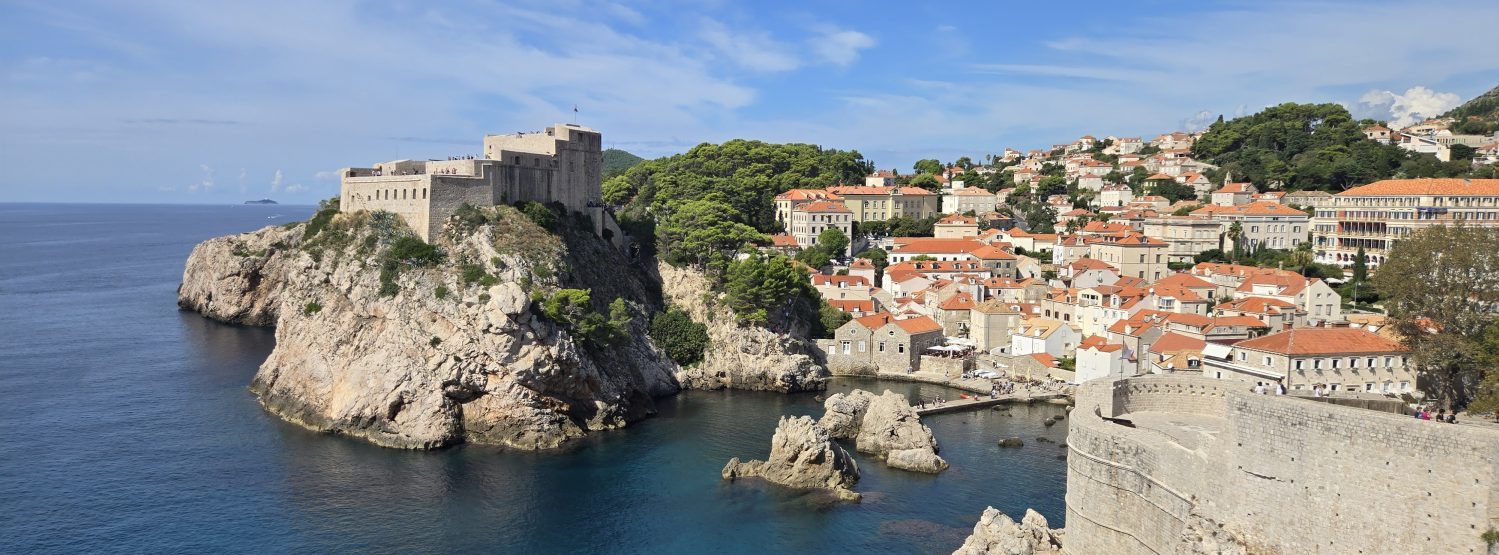
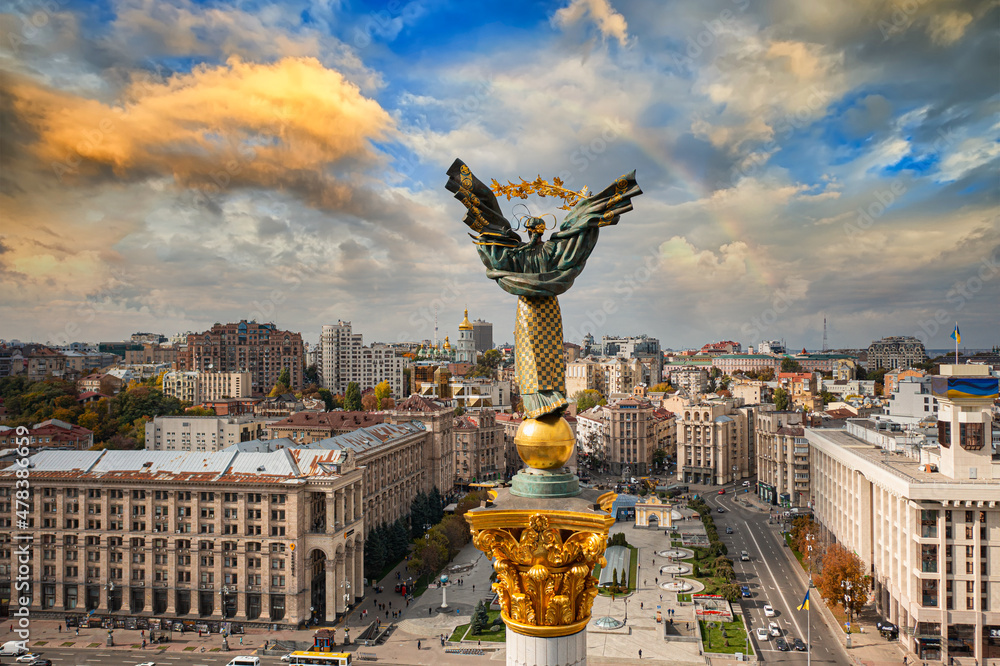
(Independence Square, Kyiv, Ukraine)
Without a doubt Martin Cruz Smith is a master of the international thriller. His Detective Arkady Renko series is exceptional in plot development, writing style, and a character who combines wit, sarcasm, and self-deprecation. With the war in Ukraine in its 15th month, Smith tackles some of the background for Putin’s illegal invasion in his 10th iteration of the Renko series.
What separates Smith from others who practice the “thriller” genre is his ability to offer important and accurate insights into contemporary Russia in his novels. His expertise as a Kremlin observer was readily apparent in his previous works including; GORKY PARK, STALIN’S GHOST, THE SIBERIAN DILEMMA, WOLVES EAT DOGS, POLAR STAR, and RED SQUARE as they are in his newest novel, INDEPENDENCE SQUARE.
The title of the book would have one believe that the story took place in Kyiv during the 2014 Orange Revolution that occurred before Putin’s seizure of Crimea. The Russian autocrats’ actions were a result of a corrupt election that produced an emotional reaction by the Ukrainian people who demonstrated against a corrupt election in Maidan Square, the precursor to Independence Square. The Orange Revolution would have a profound effect on the way Ukrainians perceived themselves and their national identity. For the first thirteen years of independence, the political, cultural, social, and economic boundaries between Ukraine and Russia had remained blurred. Most people on both sides of the border continued to regard the fates of the two notionally separate countries as inextricably intertwined. This changed dramatically in 2014 when millions of Ukrainians mobilized in defense of free elections.

Putin would go on to try and Russify Crimea after the invasion and his illegal annexation of the region. His goal was to secure what he argued was illegally given to Ukraine decades before and was the home of the Russian fleet at Sevastopol. Further, it provided him with the opportunity to ethnically cleanse Crimea of the Tartars much like Joseph Stalin did towards the end of World War II. This background permeates the novel and provides an understanding as to what motivated Putin.
Smith’s work revolves around the Democracy Forum, an organization that opposes Putin’s tyrannical rule. Further, applying character dialogue, Smith explains oligarchic corruption, the origin of Putin’s personal wealth, and the Kremlin’s fraudulent regime. Further, the author introduces a series of characters, some new and some from previous novels. Of course, Arkady Renko dominates the story as he tries to solve three murders and determine how they are linked together. Tatiana, his ex-lover who he has still not gotten over as she left for Kyiv on assignment for the New York Times without telling him. New characters include Lenoid Lebedev, the leader of the Forum for Democracy, Fydor Abakov, head of the rackets in Moscow asks Renko to locate his daughter Karina who appears to be a Forum for Democracy member and has gone missing, Uzeir Osamanov, a friend of Lebedev and his daughter Elena, another Forum for Democracy supporter, Alex Levin a computer hacker, and lastly, the Werewolves, a biker gang that comes across as Putin’s “Hell’s Angels.”
The author has created an intricate plot involving three murders. Renko is dispatched to solve the first, but that will lead to two more deaths and travel from Moscow to Kyiv, to Sevastopol. For Renko old and new demons emerge. First, he will come across his former lover in Kyiv, second, he is not sure of Karina’s loyalties, third he learns that he has contracted Parkinson’s disease which he tries to deal with as he conducts his investigations. Interestingly, there is an autobiographical element to Renko’s health as the author has been diagnosed with the same disease.

(Kerch Bridge)
Smith conveys the corruption of the Russian state very carefully. The most useful example he points to is the Kerch Bridge that links Crimea to the Russian mainland. One of Putin’s St. Petersburg thugs Konstantine Novak is a governor in Crimea and was in charge of building the bridge. The bridge cost billions of rubles and as with any major project kickbacks were standard adding to Putin’s wealth. In addition, Novak will take a share of the proceeds for himself, not a smart thing to do under Putin.
Renko remains the archetype of an honest cop working for a corrupt regime who, despite the roadblocks he must deal with, usually emerges as a stronger person. Smith has delivered another solid work of international crime thriller and I recommend it to Smith’s fan base and to those who have never tackled one of his novels.
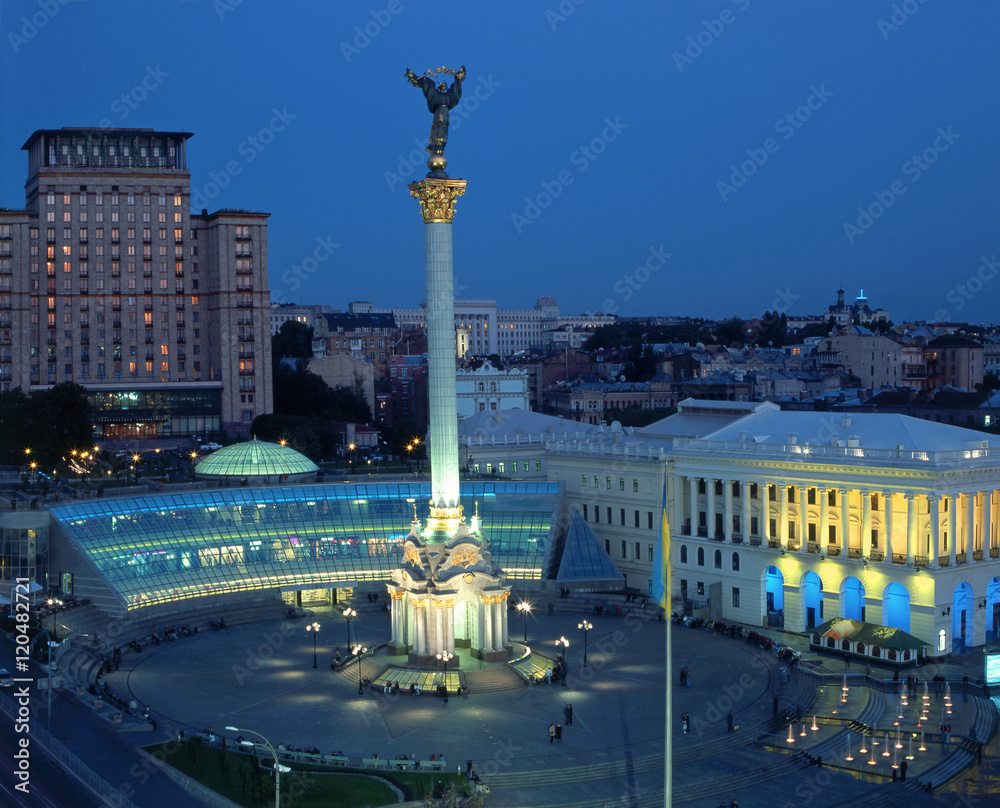
(Independence Square, Kyiv, Ukraine)
 Doc's Books