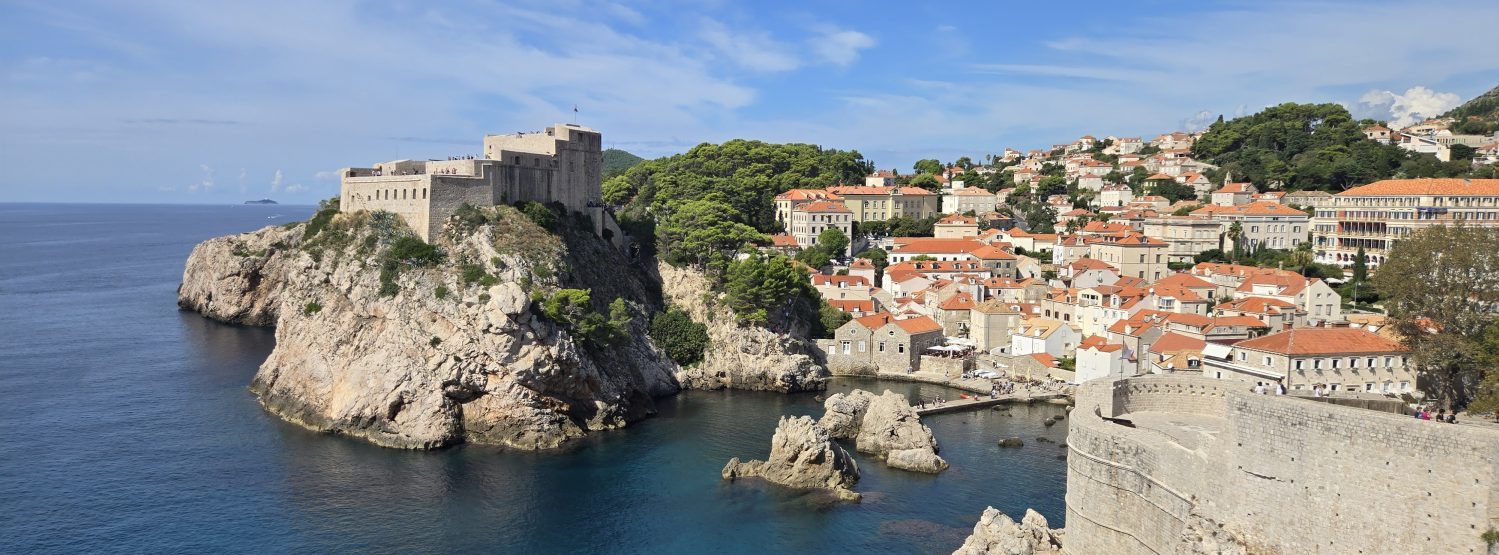

(Oslo, Norway)
Roller coasters are a very popular ride for children and adults. Your heart rises and sinks according to the direction, angle, and speed of the car that you are in. This experience is the only way to describe Jo Nesbo’s seventh iteration of his Harry Hole series. Nesbo is a prolific writer of crime thrillers as the Hole series has thirteen books to its credit. Each is unique in the case it confronts, and each is equally satisfying as is the case of THE SNOWMAN. Since the death of Stieg Larson and the retirement of Henning Mankell critics have argued who should be considered the best Nordic writer of crime fiction. I am not an expert on the genre, but I do enjoy it and for my two cents worth I bestow the crown equally on Lars Kepler and Jo Nesbo. Both add to their work every year or two and I look forward to their plot lines. In the present case Nesbo takes the reader on an uncommon journey as he has created a story in which the reader believes that he has solved the crime, but as is usually the case, Nesbo completely shifts his focus from one possible perp to another…..repeatedly!
The novel has an inauspicious beginning in November 1980 as Sara Kvinesland is having sex with her lover during a snowy afternoon while her son waits in the car. The affair is about to end when her lover looks out the window and sees a snowman. This is just the inkling of what is to come as a number of women with children, disappear some never to be found, some with body parts discovered.

Nesbo creates a number of new characters, one of which plays a significant role in the story. Katrina Bratt, a beautiful young officer joins the Oslo Police Department Crime Squad and is assigned to Harry Hole an Inspector on the Crime Squad, the first time he has ever had a woman as a partner. Hole as he projected in previous novels remains a troubled individual, fighting his battle with alcoholism, and the end of his relationship with his lover, Rakel Fauke who informs him that she is about to marry a physician and would soon depart for Botswana to assist in the fight against the AIDS epidemic. Hole is devastated and as they keep having trysts he continues to hold out hope.
As the novel evolves in 2004 a series of murders take place, and it is obvious a serial killer is responsible. Since Hole is the only one on the Crime Squad who has solved a serial case, years before in Australia he is assigned to lead the investigation. He sets up a team of four and they soon learn that a 1994 cold case is similar to these murders. The officer in charge at that time was Inspector Gert Rafto who seemed to be the perfect candidate for murder because of his reputation and action over the years on the force. We soon return to 2004 and along with several women, Rafto turns up dead.
Nesbo has set the scene and the investigation moves quickly but as each suspect seems to be the killer, evidence emerges that is not the case. Nesbo has constructed a plot that will leave the reader’s head spinning as Nesbo shifts the plotline to areas that seem unimaginable. Hole has taken a shine to Bratt, but he does not pursue it as he sees it as only a means to deal with his lost love. Hole’s approach to the investigation is rather unorthodox. For example, when the police announce they have captured the killer, Hole goes on a popular television program and announces the suspect is not the killer who remains at large. The Chief Superintendent is apoplectic as the department looks rather foolish.

Nesbo provides plenty of atmosphere through Hole’s commentary. One will acquire a sense of life in Oslo; this is one of the achievements of the book. Another is the use of language. Nesbo has a fine sense of detail and how to make certain details significant, and others, less so. In fact, Nesbo is something of a magician, performing one sleight after the next with icy calm as the plot keeps shifting. The killer is referred to as the Snowman because the killer builds a snowman in front or near the homes of his intended victims. The real snowmen face inward, toward the house. And occasionally, part of a snowman is replaced with a human part or a carrot!
Nesbo introduces a number of fascinating characters in addition to Bratt. Arve Stop was a piece of work who was obsessed with sex and beautiful women. He was the editor and owner of the Liberal, an important Norwegian magazine who had a reputation for speaking up for the downtrodden. Hole uncovers an interesting paternity history in dealing with Stop and he is out to prove he is the killer. Nesbo describes the lives of the victims carefully as he does with all his characters including Gunnar Hagen, the Head of the Crime Squad, Magnus Skarre, a member of the missing person’s unit, Dr. Matthias Lund-Helgesen, who was to marry Hole’s ex., Dr. Idar Vettlesen, a plastic surgeon, and others who have worked with Hole previously.
There are a number of creepy scenes in the book as Nesbo takes the reader on a tour of Oslo in neighborhoods that are rather seedy as well as those that are upscale. The creepiness goes further as Hole believes that; “I just have the feeling that someone is watching me the whole time, that someone is watching me now. I’m part of someone’s plan.” This does not stop Hole from applying his years of experience and methods to try and solve the case despite obstacles placed in his way by higher ups and a series of suspects.
In reviewing Nesbo’s work one must be careful as to how much information about the plot is put forward as you do not want to give away the ending. In this case the reader will be shocked on numerous occasions and will be quite surprised with Nesbo’s conclusion – which of course makes him a superb practitioner of the Nordic crime thriller as his edgy story will attest to. It is a story that would make Alfred Hitchcock proud!
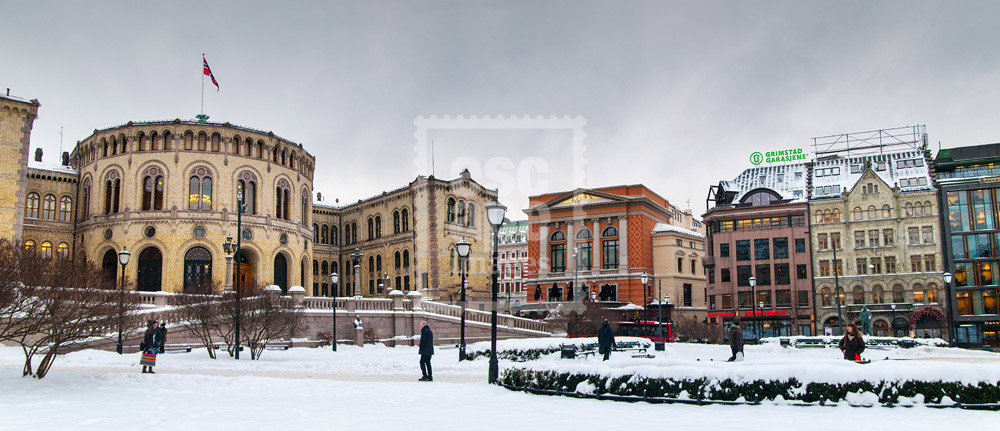
(Oslo, Norway)









 Doc's Books