

Over the years there have been many books describing the turbulent years of New Yankee failure in the 1964-1976 and 1982-1995 periods culminating in their resurrection in the mid-90s leading to the dynasty of Jeter, Rivera, Posada, Petite, and Williams who I include as a “core five”, not “four. These books tell a familiar story with vignettes, statistics, and personality studies of the major characters. However, no book has taken the approach offered by baseball reporter and analyst Andy Martino presents in his latest book, THE YANKEE WAY: THE UNTOLD INSIDE STORY OF THE BRIAN CASHMAN ERA. The title of the book is somewhat of a misnomer as it is not a biography of the current Yankee general manager, but a fairly objective deep dive into how baseball transformed itself over the last four decades within the broader tale of the success and failures of one specific franchise. The Yankees went from a team steeped in tradition than any other team, and now they have evolved into a modern approach immersed in data and technology in addition to old-world scouting. Martino’s basic theme is capturing “how a franchise is run on the executive level during a time of dizzying change in the industry.”
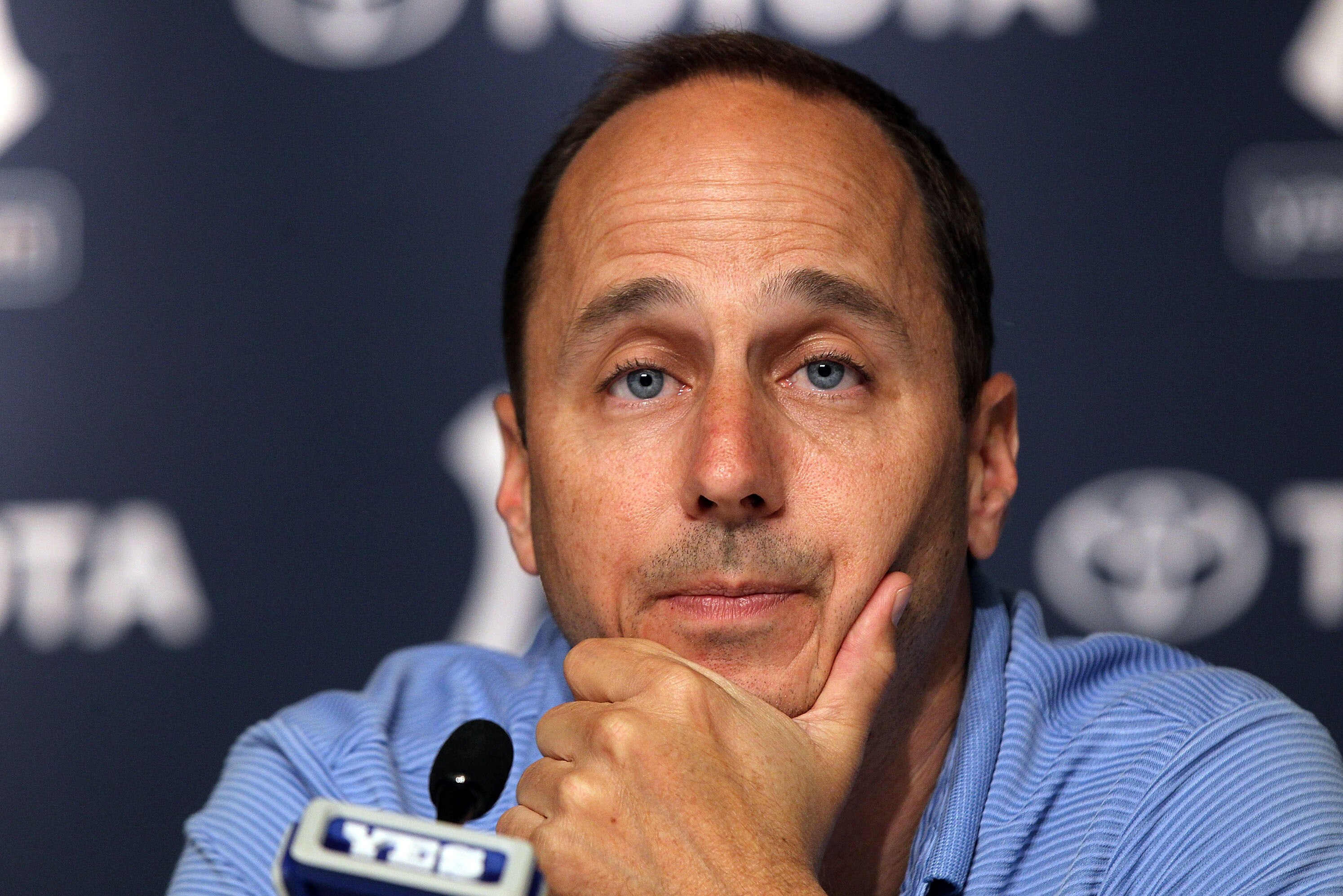
(Brian Cashman, February 2012)
Martino points to a number of myths surrounding the organization that has been in charge of the New York Yankees for decades. Most writers point to CBS’ sale of the team in 1973 to George Steinbrenner as the beginning of the resuscitation of the franchise. Obviously, that is a watershed year for the franchise, but it was CBS under the direction of Mike Burke who laid the foundation for success as Thurman Munson, Ron Guidry, Craig Nettles, and Sparky Lyle among others were all on the roster. Another interesting point of information is the role of Gene Michael as the architect of the 1990s dynasty and mentored Brian Cashman. Everyone seems to credit the Oakland Athletics duo of Sandy Alderson and Billy Beane for implementing “Moneyball” or an analytical approach to player evaluation. Michael was doing the same thing for the Yankees taking on many roles in the organization and received little credit as he was obsessed with on base percentage among many analytical emphasis.
Gene “Stick” Michael plays a prominent role in Martino’s monograph as he is credited with rebuilding the Yankees. First, the former light hitting shortstop had the ability to stand up to Steinbrenner. Second, he was a brilliant talent evaluator whether a player was ascending or declining. Third, Michael brought Bill Livesey aboard the Yankee brain trust. Livesey was the Yankees’ director of player development from 1980 to 1982. He then managed the Oneonta Yankees in 1983–1984. He served as the Yankees’ scouting director from 1991 to 1996, where he was instrumental in assembling the “Core Four” that led New York to multiple World Championships. Livesey developed a Red Auerbach, the Boston Celtics hall of Fame coach approach to player evaluation. Known as the “Livesey profile”, player evaluation was based on the tools that each individual exhibited at his position. This was the “secret sauce” the Yankees relied on from the 1980s considering the skill level and expectation for each position. According to Martino, “The New York Yankees have stuck with the profile system, both in drafting amateurs and identifying Major League free agents and trade targets.” Interestingly, later when Brian Cashman was General Manager he got away from the system in 2020-21 it brought in players like Gleber Torres and Luke Voit, one of which will not be re-signed at the end of the current season and the other is long gone.

(Gene “Stick” Michael)
A fascinating aspect of the book is the context of Yankee history of certain managers. Martino provides intricate details as he describes the managerial approaches since the 1920s. Though a New York Giants manager, John McGraw educated Casey Stengel who managed the Yankees from 1949-1960. Stengel’s favorite player was Billy Martin who he took under his wing as a father figure. Martin’s revolving door managerial career with the Yankees spanned the 1975-1988 period. A disciple of Martin was Buck Showalter who managed the team from 1992-1995 and brought the team to the precipice of a dynasty. This created a managerial chain that represented 130 years of baseball experience and oral tradition. Brian Cashman, who arrived as a college intern in Yankee land in 1986 and remains its General Manager today functions as a human through line across four decades.
 Tom Hauck//Getty Images
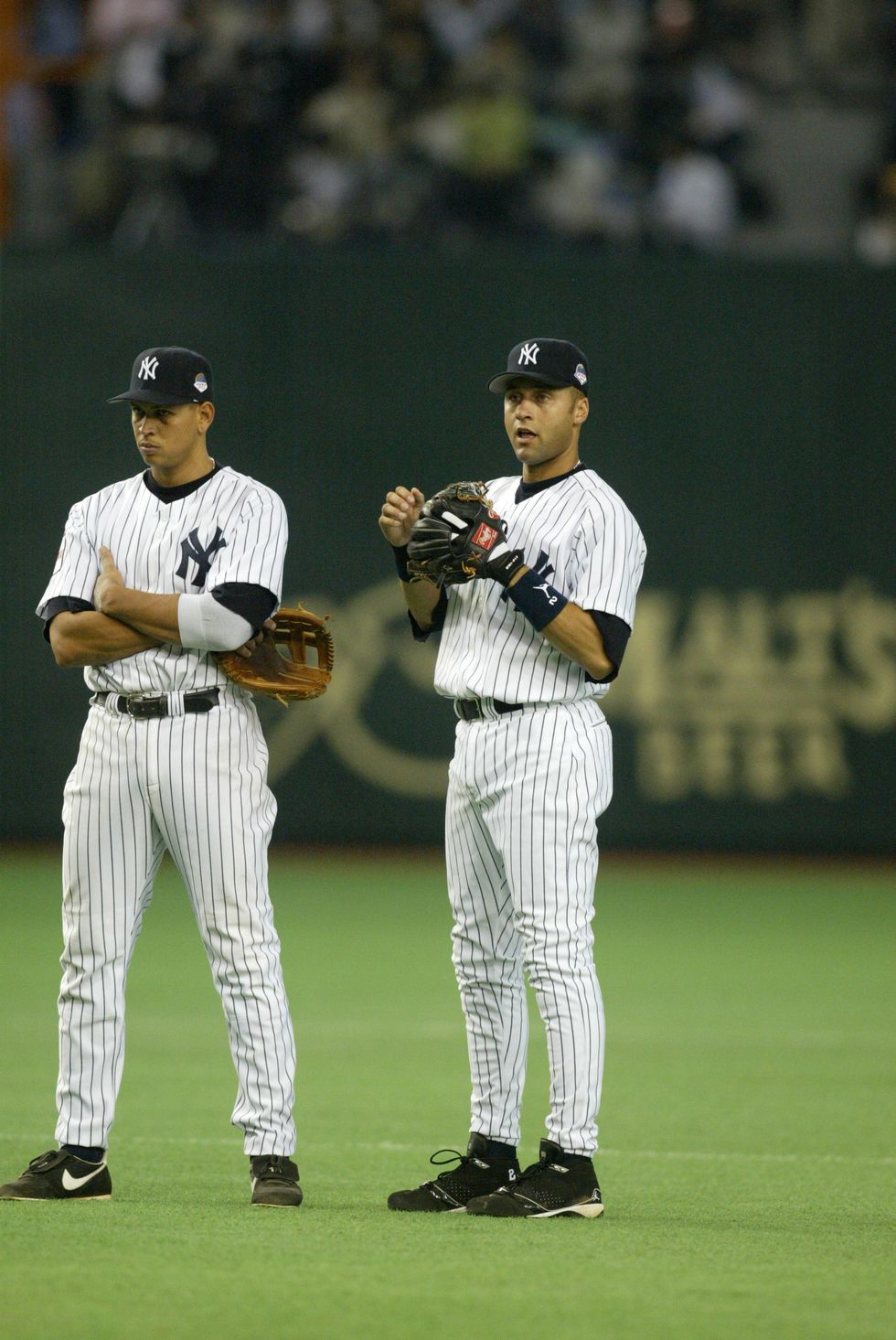
(A-Rod and Jeter, 2004)
Martino does not neglect aspects of the story that many have told before. The role of George Steinbrenner is recounted in detail especially the Dave Winfield/Howard Spira controversy that led to Steinbrenner’s suspension from baseball in 1990 and during his absence Gene Michael was able to rebuild the Yankees relying on the Livesey profile and create a team that won five world championships. The tense relationship between Alex Rodriguez and Derek Jeter is carefully analyzed integrating psychological principles. A-Rod was an insecure person who had greater talents than Jeter, but Jeter had the championships. A-Rod wanted to be loved, Jeter kept to himself, somewhat standoffish like Joe DiMaggio, and once you crossed him as A-Rod did with his magazine comments you were out of his orbit. The brilliant and at times controversial trades that Michael arranged, for example Roberto Kelley for Paul O’Neill, are all part of the narrative. Jeter’s intransigence about shifting positions, the role of Joe Torre reflects the enormous amount of research and interviewing that the book is based on and Martino’s ability not to pull any punches in describing personal relationships that dominated the period.
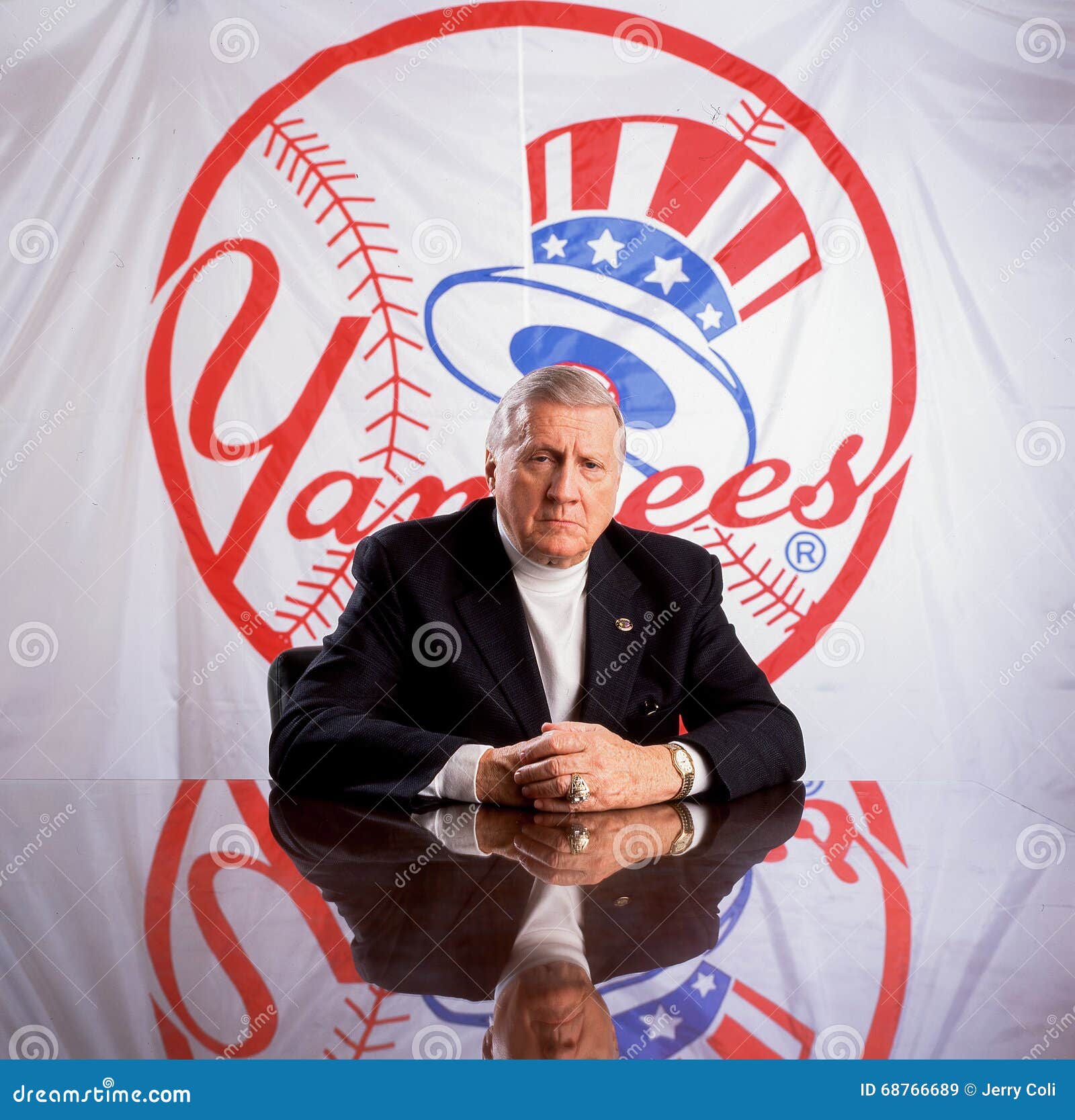
(George Steinbrenner)
The first two-thirds of the book focuses on the education of Brian Cashman as a future baseball executive, his personality, and decisions he witnessed. The last third of the book zeroes in on Cashman’s role as General Manager and his successes and failures. It’s clear from his account that Cashman paid attention to those who came before him as General Manager in how he evaluated players not just by numbers but also by intangibles like character, where numerous championship-level players come up short. Cashman’s player acquisitions, which brought confrontation with Steinbrenner and his Tampa “kitchen cabinet” are all present. These decisions tended to be correct, though they’ve entailed battles along the way—for example, the decision not to re-sign Rodriguez, letting Joe Torre leave as manager, and the fight to keep superstar Aaron Judge on the roster, are all recounted in Martino’s memorable sketches.
One thing is clear from Martino’s excellent recounting of Yankee history is that Brian Cashman stands out as a future member of the Hall of Fame. Even Billy Beane, who has been credited with implementing “Moneyball” argues that Cashman has been the best General Manager in baseball history. You might not agree with that evaluation, but all baseball fans should enjoy this insider account, even if you live in Boston!

 Doc's Books