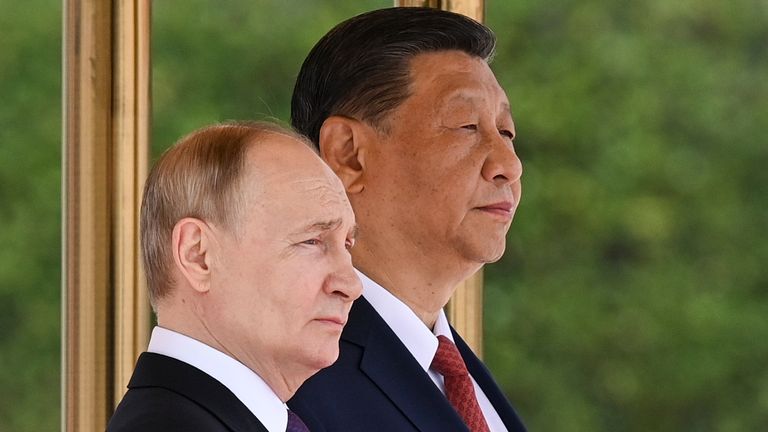
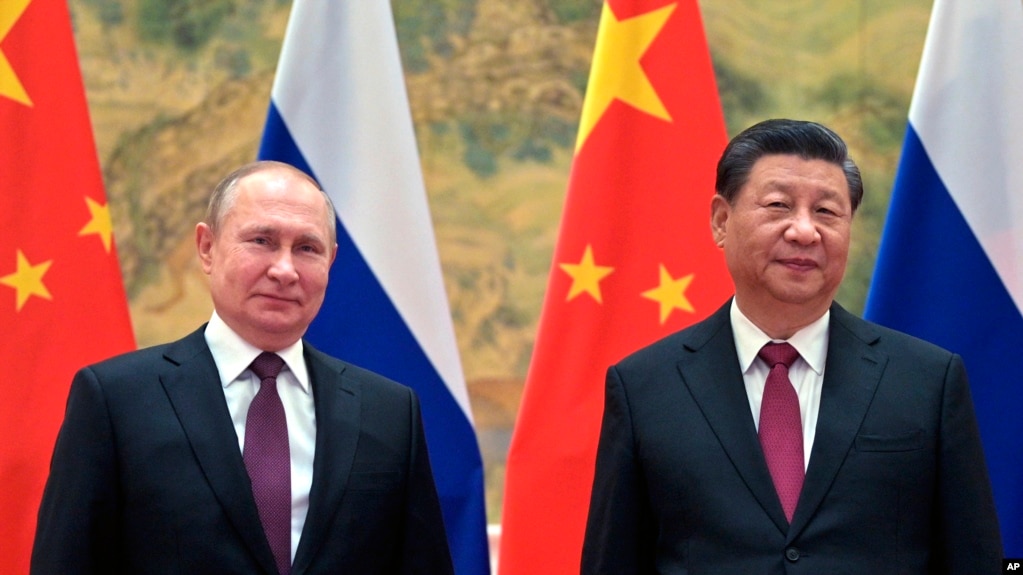
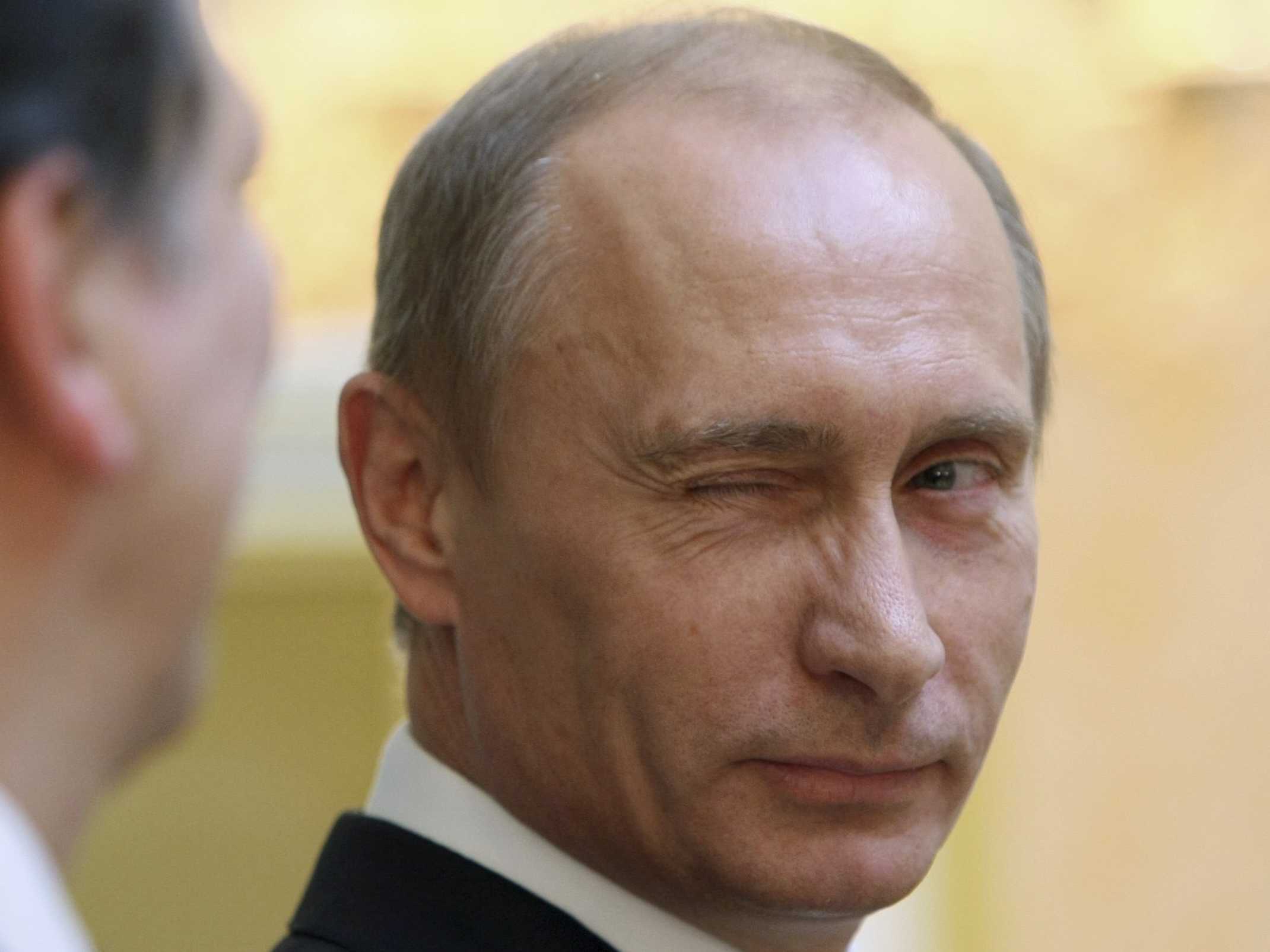
(Chinese President Xi Jinping and Russian President Vladimir Putin in Beijing)
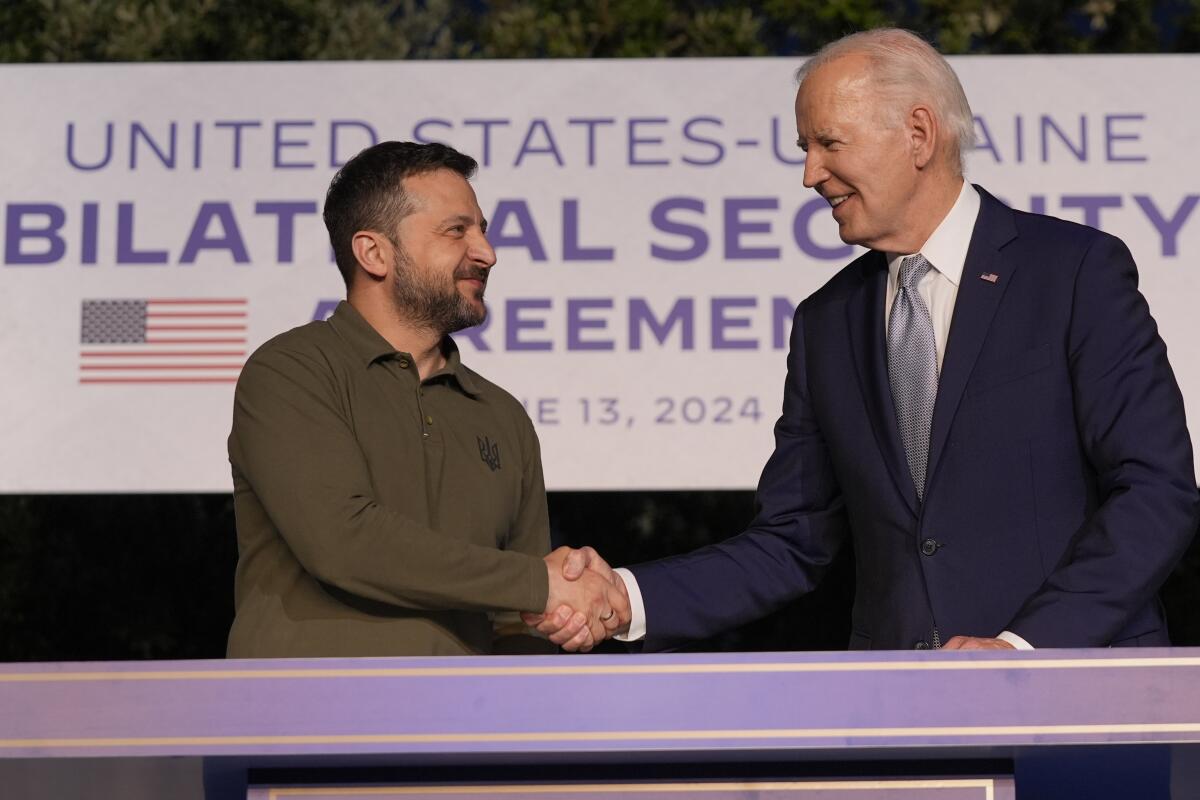
The other day President Trump gave Ukrainian President Volodymyr Zelinsky an ultimatum, accept his proposed peace plan by Thanksgiving or else. The next day Secretary of State Marco Rubio announced that the United States was still in negotiations with Kyiv to find a solution for its ongoing war with Russia, and the deadline was cancelled. Another day went by when we learned that Special Enjoy Steve Wycoff had spoken with a top Russian negotiator and provided him with information as to how to maneuver Trump to obtain his approval for Kremlin demands. It appears that the original twenty-eight step proposal ultimatum from Trump was a recasting of Putin’s maximalist position which has not changed despite the recent Alaska Summit.
It seems to me the only way to get Putin to seriously negotiate is to provide Ukraine with long range missiles, ammunition, and other military equipment to place the war on a more even footing. Further the Trump administration should introduce more secondary sanctions on Moscow and others whose purchase of Russian fossil fuels fund Putin’s war, which would create a more level playing field for Ukraine, however the president will not do so no matter how often he hints that he will. Another important aspect is that Trump refused to provide any direct American aid to Ukraine. He will allow the European allies to purchase American equipment and ship it for use by the Ukrainian army. The problem is that it is not quick resupply and the allies have had difficulty agreeing amongst themselves.
As the war progresses Putin has tried to showcase his burgeoning friendship with President Xi Jinping of China. China has purchased millions of gallons of Russian oil, as has India which states it will now find alternative sources, which has bankrolled Moscow in paying for its war against Ukraine. These two autocratic countries are solidifying their relationship after decades of disagreements. It would be important for American national security not to drive a wedge in Chinese-American relations, however, Trump’s obsession with reworking the world economy through his tariff policy seems to be his only concern. Increasing tariffs, threatening trading partners, disrupting trade just angers China and does not allow American businesses to plan based on a supply line that is at the whim of Trump’s next TACO or change of mind!
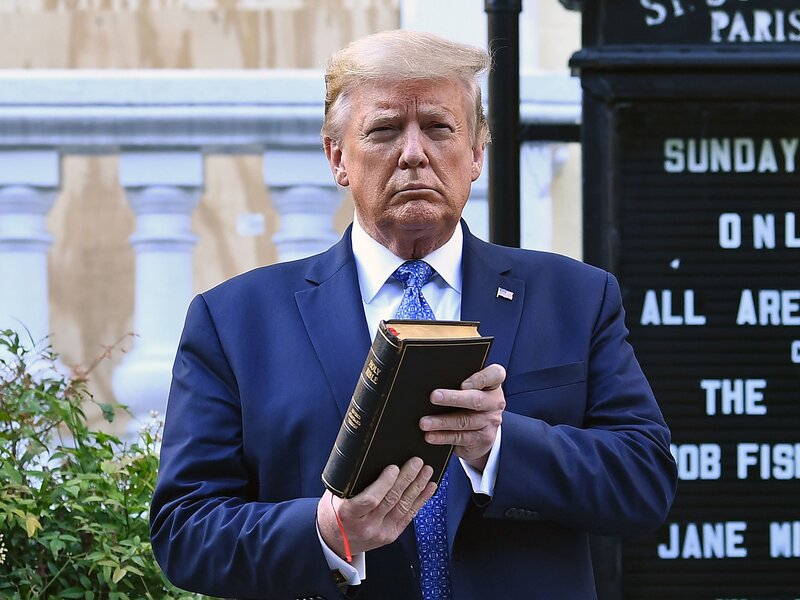
(President Donald Trump spent his first term pursuing a grand new bargain with China but he only got to phase one)
In this diplomatic environment Michael McFaul, a professor of Political Science at the Freeman Spogli Institute for International Studies and the Hoover Institution at Stanford University, in addition to being a former U.S. ambassador to the Russian Federation (2012-2014) latest book, DEMOCRATS VS. AUTOCRATS: CHINA, RUSSIA, AMERICA AND THE NEW GLOBAL ORDER is rather timely. In his monograph McFaul concludes, the old world order has ended, and we have entered a new Cold War era which is quite different from the one we experienced with the Soviet Union. The new era has witnessed many disconcerting changes; a new alliance emerging between China and Russia, Chinese economic growth has been substantial, and it has allowed them to fund their overwhelming military growth, the far right has grown exponentially in the United States and Europe, and the disturbing shift of the Trump administration toward isolationism, except in the case of Venezuela and the Southern Hemisphere. As a result, we are facing a new world which offers new threats without precedent in the 20th century, and we seem incapable of dealing with them.
McFaul meticulously takes the reader on a journey encompassing the last 300 years as he argues that today’s new power alignments and problems require a fresh approach, unencumbered by our Cold War past or MAGA’s insular nationalist dreams. McFaul’s incisive and analytical approach provides a manifesto that argues against America’s retreat from the world. The author develops three important themes throughout the book. First, Russia’s disruptive ambitions should not be underestimated. Second, China’s capabilities should not be overestimated. Lastly, Trump’s move toward isolationism and autocracy will only weaken America’s place in the world balance of power. These themes are cogent, well researched, and supported by numerous historical examples that McFaul weaves throughout this lengthy work which should be read by all policymakers, members of congress, and the general public.
There is so much to unpack in McFaul’s monograph. He does an excellent job of synthesis in tracing the causes of great power competition today reviewing the history of US-Russia and US-China relations over the last 300 years and explains how we arrived at the tensions that define the global order today. He correctly argues that power, regime types, and individuals have interacted to produce changing cycles of cooperation and conflict between the United States, China, and Russia over the last three centuries. It is clear that over the past few decades these factors have created more conflict after the hopes of democratization that existed in the 1990s.
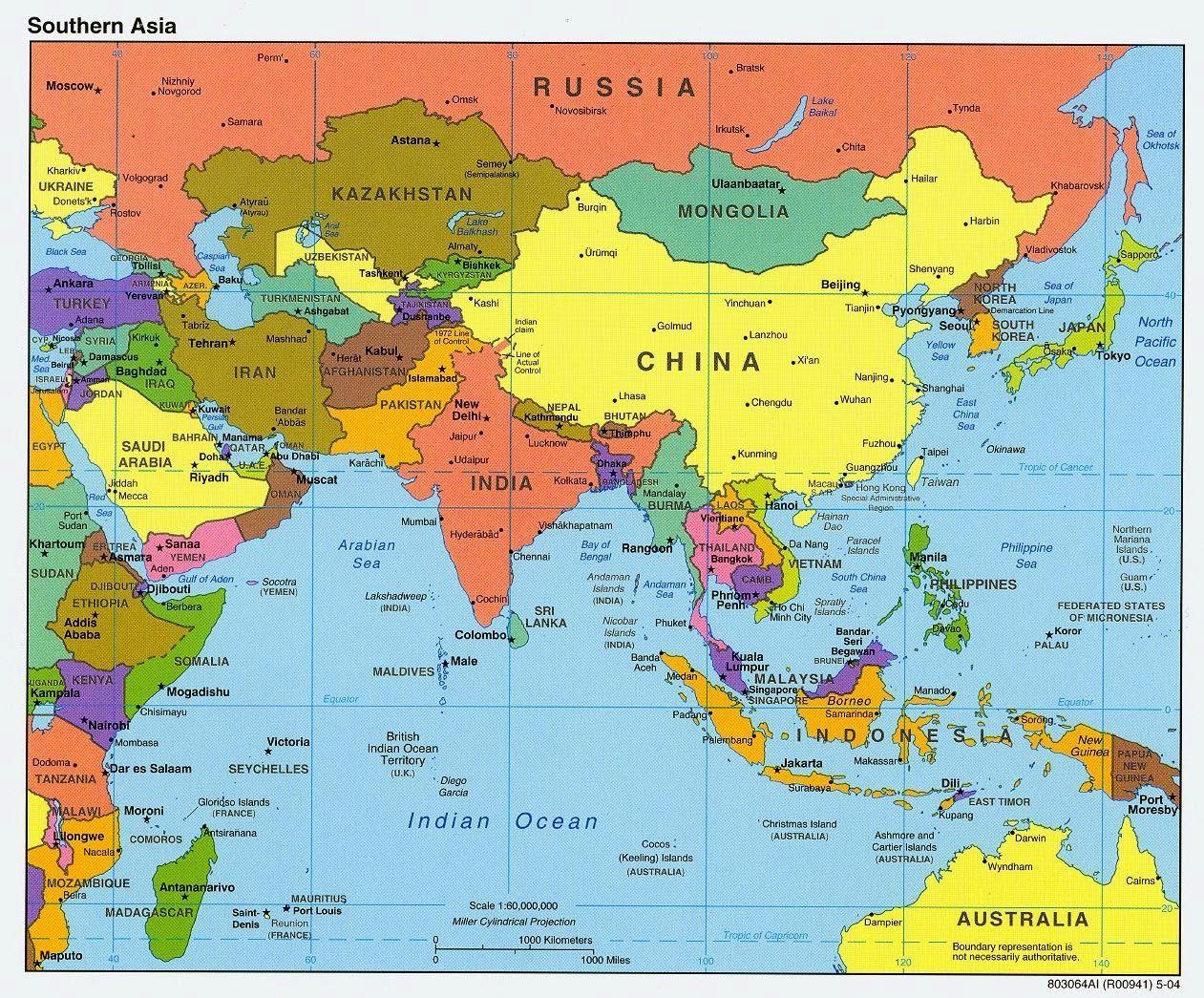
McFaul argues that there are some parallels between the Cold War with the Soviet Union and the present competition with China and Russia, but we should not go overboard because it distorts what is really happening. Similarities with the Cold War include a bipolar power structure this time between the US and China; there is an ideological component resting on the competition between democracy and autocracy; and all three nations have different conceptions of what the global order should look like. However, we must be careful as we have overestimated Chinese power and exaggerated her threat to our existence for too long. Containing China must be our prime goal but China is not an existential threat to the United States and the free world. China does not threaten the very existence of the United States and our democratic allies. President Xi of China has witnessed the decline of American power particularly after it caused the 2008 financial crash and no longer believes he has to defer to the United States and has taken advantage of American errors over the last twenty years to pose a competitive threat to Washington. Xi is not trying to export Marxist-Leninism, he is employing China’s financial and technological strengths to support autocracies around the world and expand Chinese power in the South China Sea, the developing world, especially in Africa – once again taking advantage of American errors.
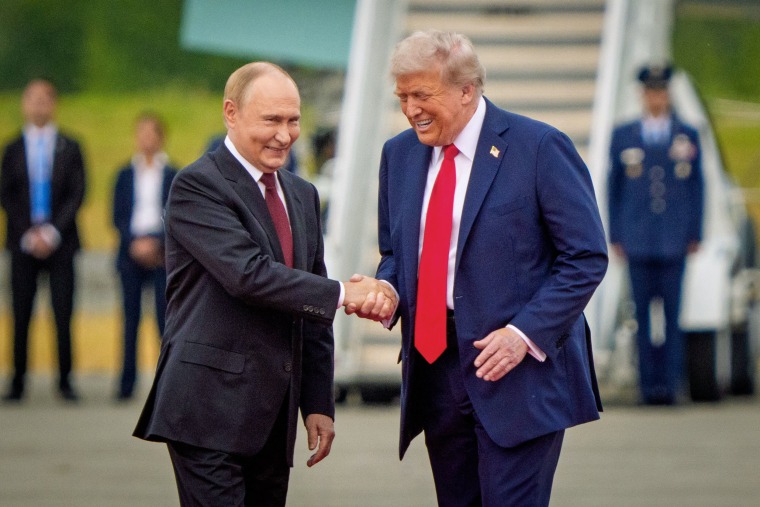
(President Donald Trump greets Russian President Vladimir Putin as he arrives at Joint Base Elmendorf-Richardson)
Along these same lines we have underestimated Russian power in recent years as under Putin it has the capacity to threaten US security interests, including those of our European allies. Though Russia is not an economic threat she is a formidable adversary because Putin is a risk taker and is more willing to deploy Russian power aggressively than previous Russian leaders. Secondly, its invasion of Ukraine provides military experience and lessons that can only improve their performance on the battlefield. Thirdly, unlike during the Cold War, Russia is closely aligned with China. Putin’s aggressive foreign policy has an ideological component and has sought to propagate his illiberal orthodox values for decades. Unlike his predecessors Putin is willing to intervene in the domestic affairs of other countries, i.e., kept Bashir Assad in power in Syria for a decade, interfered in American presidential elections and elections throughout Europe, invaded Georgia, Chechnya, Ukraine, etc. Putin sees the collapse of the Soviet Union as the greatest disaster for Russia of the 20th century and wants to restore the territorial parameters of the Soviet Empire in his vision of Russian autocracy. As he exports this ideology we can see successes in a number of European countries and certain right wing elements in the United States.
One of his most important chapters recounts the decline of American hegemony since the end of the Cold War. It has been a slow downturn and has resulted in the end of the unipolar world where the US dominated. The Gulf War of 1991 witnessed the United States at its peak power. Following the war the United States decided to reduce its military since the Soviet Union was collapsing. However, after 9/11 US military spending expanded. Under Donald Trump the US spends 1% of GDP on the Pentagon allowing Russia and China to close the gap. Today we correctly condemn Russia’s invasion of Ukraine, but from 1991-2020 the use of hard power in Kuwait to remove Iraq, the overthrow of Manuel Noriega in Panama, the bombing of Serbia in 1998, interfering in the Somali Civil War in 1992, the invasion of Afghanistan in 2001, the invasion of Iraq in 2003, the overthrow of Gaddafi in 2011 created power vacuums for terrorist rebels to fill including ISIS in Iraq and Syria. In addition, it cost the United States trillions of dollars to finance. According to economist Joseph Stiglitz the war in Iraq alone cost three trillion dollars, and the trillions lost in Afghanistan money that could have been put to better use domestically and globally to enhance Washington’s reputation worldwide, along with thousands of American casualties resulting in death and life-long injuries. In this environment it is no wonder that the Chinese have expanded their power externally and strengthened their autocracy internally, and Putin feels American opposition is rather hypocritical.
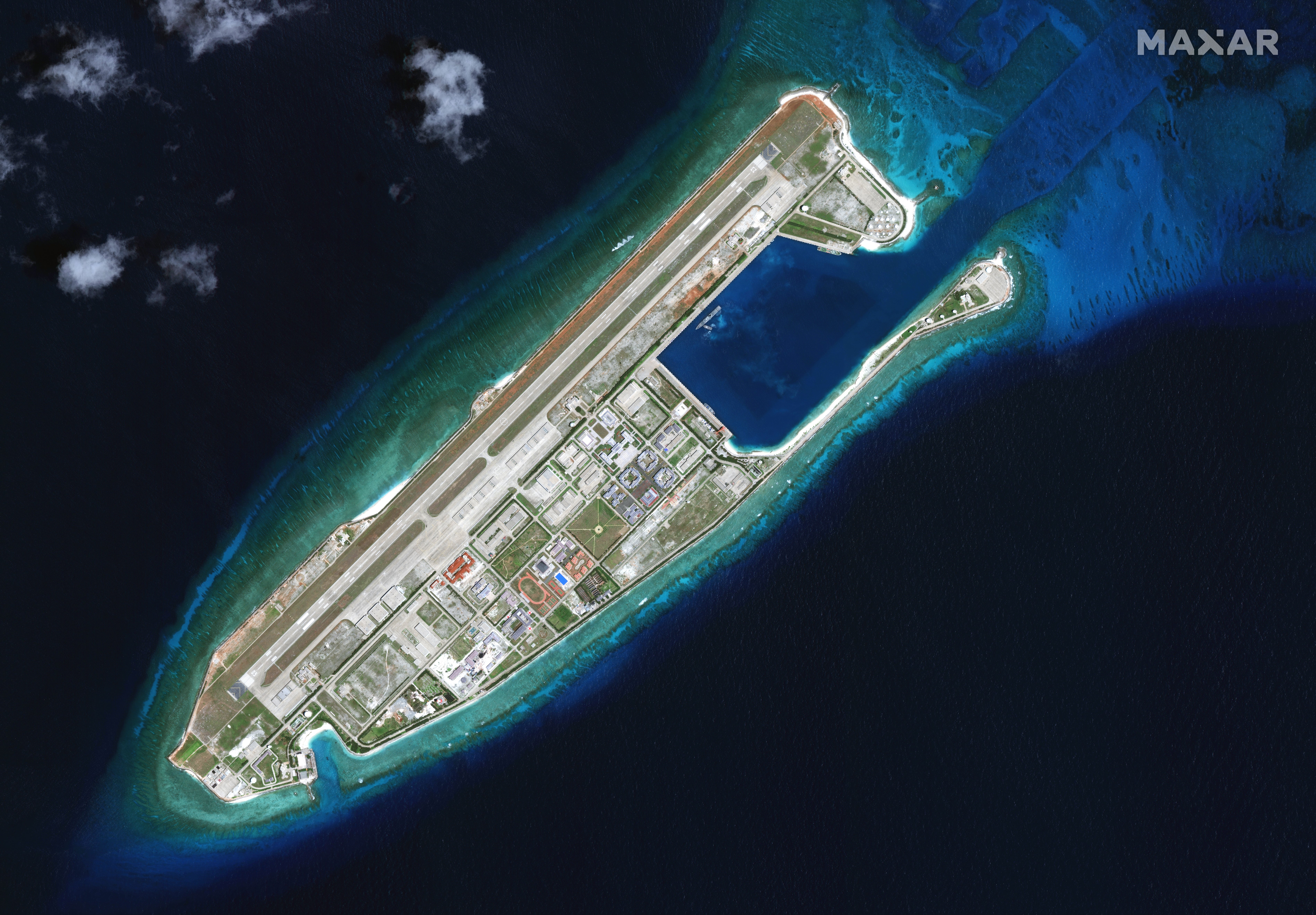 (A satellite overview of Fiery Cross Reef in the South China Sea as seen on 1 April 2022)
If this use of hard power was not enough along comes Donald Trump to accelerate the decline in US power by turning to disengagement and isolationism as he withdrew from the Transpacific Partnership, the Paris Climate Accords, the Iran nuclear deal, the INF (Intermediate range nuclear forces) treaty, the World Health Organization and severely criticizes the World Trade Organization, NATO, the European Union, and imposed new and higher tariffs on China, and our allies. The Trump administration has done little to promote democracy and weakened the United States’ ability to compete ideologically with China whose reputation and inroads in the developing world have made a difference in their global image at the same time the Trump administration has severely cut foreign aid. His actions have led to little in the area of supporting democracy as an ideological cause as he has curtailed or stopped funding for USAID, NED, Voice of America, Radio Free Europe among many programs, in addition to picking fights with allies, and threatening to withdraw from NATO. If this is not enough, the COVID 19 virus showed how dependent the United States was on Chinese firms for drug production and critical medical supplies.
Domestically, Trump’s immigration policy is becoming a disaster for the American economy as there is a shortfall in certain areas of the labor market, particularly food production and distribution. The policy could be a disaster in the long run as university enrollment of foreign students has declined markedly and if one examines the contributions of immigrants historically in the fields of medical and other types of scientific research this is a loss that eventually we may not be able to sustain. As Trump attacks the independent media and truth, politicizes the American justice system, and uses the presidency for personal gain he appears more and more like an autocratic wannabe, and it is corrosive to American democracy and our image in the world. These are all unforced errors, and China and Russia have taken advantage dramatically, altering the global balance of power and America’s role in it.
McFaul provides an impressive analysis of the relative economic power vis a vie the United States and Russia, and the United States and China. The entanglement of the US and Chinese economies must be considered when their relationship has difficulties. China is both a competitor and a trading partner for the United States. American companies and investors engage profitably with Beijing, i.e., Boeing, Apple, Nvidia, and American farmers have earned enormous profits and supported thousands of jobs. American consumers have benefited from lower-priced products imported from China. Chinese companies trade with and invest in American companies, Chinese scholars conduct collaborative research at American universities, and Chinese financial institutions buy American bonds and go a long way to finance American debt. Their entanglement presents both challenges and opportunities, but the fundamental challenge for the American foreign policy toward China is figuring out the delicate balance between economic engagement and containment.
In turning to difficulties with Russia, the United States does not have the meaningful economic relationship it has with China. In fact, as McFaul correctly points out our issues rest outside the economic realm to the ideological – Putinisim. The Russian autocrat “champions a virulent variant of illiberal, orthodox, and nationalistic ideas emphasizing identity, culture, and tradition.” Putin wants to export his conservative values and attack western values, by supporting a strong state, enhancing autocracy by promoting Russian sovereignty, basically by creating a false image of Russia. China spreads its ideology to the developing world. Russia tries to spread Putinism to the developed world, especially Europe as he tries to foment social polarization in democracies to weaken them. The rhetoric out of Moscow does not bode well for the future and any change in their approach will have to wait until Putin leaves the scene.
Another very important issue for the American consumer and politicians is Chinese-American trade. Those who are against an interdependent economy increasingly call for a decoupling of the economic relationship with China because of the damage it does to Americans. McFaul drills down to show that this is not the case and more importantly how difficult it would be to decouple. The argument that the US does not benefit from this relationship is a red herring as China holds $784 billion in American debt, and Chinese manufacturing production is imperative for the global supply chain. Companies like Apple, pharmaceutical companies, and the robotics industry are entities deeply intertwined between the US and China creating economic growth in both countries. It also must be kept in mind that Chinese growth had a positive effect on the American economy as goods made in China make them cheaper for the US consumer, in fact during the period of increasing US-China trade and investment, the American economy grew more rapidly than any other developed economy. McFaul warns that the US has to learn how to further benefit from the US-Chinese relationship or at least manage economic entanglement better because it is not going away for decades.

(Author, Michael McFaul)
If there is a flaw in McFaul’s monograph it is one of repetition. The structure of the book makes it difficult to avoid this shortcoming. Whether the author is discussing Chinese and Russian approaches to confronting the liberal economic world, interfering in other countries, or the philosophies and actions of Putin, Xi or Trump at times the narrative becomes tedious. The constant reminder that the Chinese threat is much more dire than the Soviet threat was during the Cold War is made over and over as is the constant reminder that our fears of the Chinese are overblown, our attitude toward Russia is not taken seriously enough, and the threat represented by Trump’s devotion to isolationism. To McFaul’s credit he seems aware of the problem as he constantly reminds us he is repeating the same argument or that he will elaborate on the same points later in the book. My question is, if you are aware of a problem why keep repeating it?
McFaul spends the last third of the book warning that the United States cannot repeat their Cold War errors as there are fewer resources today to prevent mistakes. He calls for containing Russia and China, and avoiding what Richard Haass calls “wars of choice,” as took place in Iraq, Libya, and Afghanistan. After critiquing errors like overestimating Soviet military and economic power, in addition to exaggerating the appeal of communism, along with underestimating China’s economic and military rise and the faulty belief that the Chinese communist party would democratize, he offers solutions.
All through the narrative McFaul sprinkles suggestions of what the United States should do to compete and contain China and Russia. Be it encouraging parameters for Ukrainian security, rejoining the Trans-Pacific Partnership, negotiating comprehensive trade agreements with the European Union, the restoration of USAID and other forms of soft power, maintaining and increasing funding for our research institutions, and most importantly lessen the polarization in American politics so China and Russia cannot take advantage. In considering these policy decisions and many others which would restore America’s reputation and position in the world – the major roadblock is the Trump administration who will never act upon them. According to McFaul we must ride out the next three years and hope that the damage that has been caused and will continue can be overcome in the next decade. McFaul is hopeful, but I am less sanguine.

(Chinese President Xi Jinping and Russian President Vladimir Putin)














/nationalist-troops-on-ship-leaving-china-514869966-5c436fa6c9e77c0001f11040.jpg)

 Doc's Books