After being a fan of Ken Follett for decades and enamored with his Kingsbridge series which explored England’s development from the Middle Ages to the eighteenth century I couldn’t wait to read a historical novel that offered a story of the neolithic British Isles and the creation of the Stonehenge monument. Follett’s latest effort, CIRCLE OF DAYS is per his usual rather long, about 700 pages, and it appears very inviting. However, I must say I am a little disappointed in the novel. It is well written, it reflects a tremendous amount of research, and has a number of defined plot lines, but at times it seems simplistic, formulaic, and created doubts whether I should have continued reading it.
Overall, I am glad I stuck with the book, but it should not have taken almost halfway through to really foster my interest. Perhaps it is the names that Follett chooses as you must write them down to remember them from Pia, to Joia, to Han, to Stam, to Troon, to Bez, to Gida, to Dee etc. etc., you get my drift. To make sense of these characters I had to create a chart in order to keep everything sensible. Perhaps a list of characters with a brief bio of each in the front of the novel is called for. Further, the dichotomy of herders vs. farmers is clear, with farmers being misogynistic believing they own their women who have few rights, and herders who treat their women with respect and allow them to freely make decisions. Farmers are presented as controlling and manipulative, and herders are communal, exhibiting a great deal of empathy, I found this dichotomy difficult to digest. To say the least the novel is a mixed bag with a storyline that appears artificial at times as we witness a plan to turn a wooden monument into one of stone, but to Follett’s credit around page 350 he begins to pull the story together with a more in depth plotline and stronger character development.
(Straightening a leaning stone at Stonehenge in 1901) –
The story has a number of storylines, but at first, Follett presents his version of what life was like in England during the Neolithic period by inviting the reader into a primitive society and culture and delving into the trials and tribulations that people of that period dealt with on a daily basis. Follett explores how people survived either as farmers, herders, flint miners, woodsmen, and priestesses. We witness the hatred and eventual violence due to the inherent differences between approaches to life that people take. A useful example is how Yana, who is a part of the farmer society faces the death of her husband Olin, leaving only her daughter and herself to work their farm during an intense drought. According to custom she must take a new husband within a year, but because of the “Main Man” Troon she is ordered to find a new husband within seven days. Troon demands she marry his son Stam who is half Yana’s age. As the story develops Pia, who is in love with a herder named Han, and upon learning she is pregnant escapes the farmer compound and runs away with Han. Eventually she is recaptured, and Han is murdered by Stam who in the end will be burned alive by the woodlanders led by a man named Bez. You can see that this is difficult to follow, but it works in the end.
The key storylines revolve around the following. First, an endless drought affects everyone with food rationing, famine, death, and conflict as its by present throughout most of the novel. Second, the role of the priestesses focusing on a character named Joia who joined the priesthood at a young age and became a rival of the head priestess, Ello. It is her goal to replace the wooden monument that is the center of faith with a stone monument that would withstand whatever the elements would bring. Her ally in this effort is a carpenter/builder named Seft who is the key to the engineering problem that confronts those who want a stone monument. Third, there is the constant conflict between farmers and herders and their allies that emerges. Lastly, the personality conflicts and belief issues among major characters that drive the novel.
(1906)
In terms of being specific the novel comes down to a conflict between Joia, the head priestess, and Troon who is head of the farmers and sees himself as the “Main Man.” Joia pulls out all stops in trying to move humongous stones across the Great Valley in order to rebuild the wooden monument. Troon and his “thugs” do all they can to prevent this. Follett turns to a detailed approach in the last third of the book in describing this conflict. For Joia it is a means of recovering from the drought and the losses as the Midsummer rites attendance and trade declines. For Troon, his own Farmer’s Summer Rites attraction has declined as the popularity of a stone monument takes off. Fearing the loss of revenue and his attempt to be the leader of all in the Great Valley he does his utmost to sabotage Joia’s plans. In addition to Troon’s machinations, Joia faces internal opposition from certain elders led by Scagga, a jealous individual who resents the power of a woman.
(Experts believe Stonehenge was originally a circle of bluestone pillars)
The key to enjoying this somewhat simplified tale is to surrender to it as soon as possible because the story will mature and eventually keep your interest. Action dominates each page as conflict is riff, and characters have their own agenda. Their key is Joia, the priestess who is obsessed with replacing the wooden monument with one made of stone that eventually becomes Stonehenge. She and the other priestesses believe that the monument is the key to date-keeping, the Midsummer fair, and religious rites. The problem is how to transport the gigantic stones in a time before wagons and harnesses to the monument site. This conundrum dominates the third of the novel.
Follett does a workmanlike job creating a society from the 2500 BC period. He provides useful insights on a regular basis and as a fan of the author, though not his best work, I would recommend his work to others who have the same loyalty as I do. Relax, and immerse yourself into another world, long forgotten and a story that has a fairytale ending.
I have always been fascinated by the History of the Balkans since I was in graduate school, studying European diplomatic history. There I came across Otto von Bismarck’s 1888 commentary that a future European war would be sparked by a conflict in the Balkans, referring to the region as a powder keg. Two of his most notable quotes illustrate his apprehension: “One day the great European War will come out of some damned foolish thing in the Balkans;” and the “whole of the Balkans is not worth the bones of a single Pomeranian grenadier.” Obviously, Bismarck was correct based on the events of June 28, 1914, the assassination of Archduke Franz Ferdinand while visiting Sarajevo which led to the outbreak of World War I.
My interest in the region has not waned over the decades, particularly with the Yugoslav Civil War of the 1990s. Last year my wife and I worked with a wonderful guide on a trip to Portugal and Spain who was from Zagreb. After two weeks of travel and conversation we agreed that a visit to Croatia and other Balkan areas would be a wonderful agenda. Fast forward, my wife and I traveled to Croatia, Sarajevo, and Trieste. Before leaving for our journey due to my inquisitive nature (there is a Freudian term which I will not use) I picked up a copy of Marcus Tanner’s informative book, CROATIA: A HISTORY FROM THE MIDDLE AGES TO THE PRESENT DAY which was first published in 1997 and has gone through four printings. The original edition was the first history of Croatia written by an Anglo-Saxon author and is important because of its coverage of Croatian history from Medieval times through its transformation into a modern state with membership in the European Union and NATO. Tanner, a former reporter for London’s Independent newspaper who covered the Yugoslav wars, authored the book to fill in the gaps in understanding the former Yugoslavia and in his view Croatia deserved to be studied separately.
Overall, Tanner describes an area that for centuries has been rife with conflict and external threats. Croatian history is disjointed and experienced many attempts to bring cohesion which usually resulted in failure. The author begins with a chapter on the early Croatian kings exploring how the area was first settled in the seventh century, highlighting its relationship with the Papacy and conflict with Slavs and Hungarians, culminating in the Pacta Conventa in 1102.
Tanner describes how the Hungarians would split the kingdom into north and south. The north was treated as an appendage of Hungary, and the south had its own kingdom. Croatia would be ruled as part of the kingdom of Hungary, and Habsburgs until the end of World War I. However, before Habsburg rule that lasted until the end of the Great War took effect the Dalmatian coast experienced a great deal of political conflict and economic competition among its towns and cities exhibiting a great deal of jealousy between themselves as well as Dubrovnik, which emerged as a dominant commercial center.
Aside from internal conflict the region also faced tremendous external threats especially from Venice and the Ottoman Empire. Tanner explains Venetian interest along the Dalmatian coast which was focused on the area between Zadar and Dubrovnik. In addition, the Croats were confronted by the Mongols who were beaten back by the Hungarian army in 1241. A century later the Ottoman Turks began to take hold of the region and slowly made their way through the Balkan peninsula seizing Bulgaria, Serbia, Bosnia and by the 1490s it was Hungary and Croatia’s turn at the Battle of Kosovo in 1493; though the fighting continued into the 16th century. With the accession of Suleyman the Magnificent, the greatest of the Ottoman Sultan in 1521, the remainder of Croatia began to fall in the 1520s. As Hungary withered away the Croatian nobles turned to Charles V, the Holy Roman Emperor who was more interested in crushing Martin Luther.
(View historical footage and photographs surrounding Gavrilo Princip’s assassination of Archduke Franz Ferdinand)
Tanner’s monograph is very detailed, and the reader has to pay careful attention to the myriad of names, places, and analysis that is presented. At times, the writing is a bit dense, but that goes with the detail presented. Once Tanner reaches the late 1800s his prose becomes crisper, and my interest piqued as the information is more easily digested as the writing seems to become more fluid. Despite any drawbacks, Tanner does a good job explaining the intricacies of Ottoman inroads into Croatia. One must realize the Croatia of today was split into three parts in the 16th century; Croatia to the north, Venitia along the Dalmatian coast; and Dubrovnik. Each was treated differently by the Turks. Tanner explains the relationship among the diverse groups in the region and concludes that the Croatians were willing to accept Habsburg suzerainty, while Venitia and Dubrovnik were not. The high water mark for the Ottoman Empire in the region was the 1590s, then their interest began to slowly recede.
Tanner is spot on as he describes Ottoman rule over Croatia as “an unmitigated disaster with no redeeming characteristics.” Croatia was Catholic and the Turks had not forgotten the Crusades which led to the almost complete destruction of civilized life, the burning of towns, villages, and the mass flight of peasants. As they laid waste to the countryside their persecution of Roman Catholics was intense and forced many Catholics to convert to Eastern Orthodoxy as the Turks allowed it to become part of the Millet System which granted a measure of religious autonomy. By the early 17th century, the two main noble dynasties in Croatia were defeated and from that point on there was no one to rally Croat nationalism.
(Josip Jelacic)
Tanner is once again correct as he points to the failure of the Ottoman attempt to conquer Vienna as a watershed moment in Central European and Balkan history. It would lead to the end of Turkish control over most of Croatia as the Sultan’s Grand Vizier, Kara Musrtafa tried to renew the tradition of conquest but was unable to defeat the largely unprepared Viennese. The failure was due to the combined army of Poles, Austrians, Bavarians, Germans, and Saxons under the leadership of Jan III Sobieski, King of Poland. It was as a result of this defeat that the Ottoman Empire earned the nickname, “the sick man of Europe.” In 1699 the Ottoman Empire signed a treaty resigning any claims to Hungary or Croatia.
Tanner points to a number of historical figures that greatly impacted Croatian history. One of these individuals is Josip Jelacic, an officer in the Austrian army during the Revolutions of 1848 as well as the Ban of Croatia, another is another 19th century Croatian Ante Starcevic, a politician and writer who believed in self-determination for the Croatian people. He wanted a separate Croatian state, not unification with other southern Slavic states, and came to be known as “the father of the nation.” By the late 19th century other individuals emerged as dominant politicians like Charles Khuen-Hedervary, the Ban of Croatia who tried to Magyarize his country. As we approach World War I Hungary and Habsburg’s discredit themselves in the eyes of Croatians with their political machinations and in 1908 Austria-Hungary annexed Bosnia Herzegovina. What follows are the Balkan Wars of 1912 and 1913, a rehearsal for the world war that was to follow. The impact of World War I on the Balkans was significant as the nation of Yugoslavia emerged in Paris with the Treaty of Versailles. From this point on the narrative picks up in intensity but Tanner should devote more time to the events leading up to war, the war itself, and the role of the Croats in Paris after the war.
Tanner succinctly recounts the diplomatic intrigues that produced a unified state in the Balkans and argues that Croats favored the creation of the new country. A constitutional monarchy emerges, but constant ethnic tensions dominate the 1920s as Serbs wanted a centralized state, and Croats favored a federal structure. These issues would dominate the remainder of the 20th century as Croatia opposed unification, favoring regional autonomy.
(Ante Pavelic)
The dominant Croatian politician of the period was Ante Pavelic who created the Ustashe Croatian Liberation Movement in 1929. He would come under the protection of Benito Mussolini who allowed him to train his own fascist fighting force in Italy. Pavelic spent the 1930s in and out of prison, but his movement continued to expand. By March 1940 under his leadership Yugoslavia would join the Axis powers as Pavelic morphed into the dictator of the Croatian state. To acquire credibility among the Croatian people Tanner points to the support of the Archbishop of Zagreb, Alojzije Stepanic, an extremely controversial historical figure. Here Tanner goes into depth concerning the transformation of a Palevic supporter to saving Jews from perishing and being nominated as a “Righteous Christian” after the war.
The actions of Pavelic’s Ustashe during the war would scar Croatia to this day as Pavelic modeled his reign, racial ideas, and militarism on Nazi Germany resulting in the death of about 80,000 people (20,000 of which were children) in concentration camps, the most famous of which was Jasenovac, Croatia’s most notorious camp which I visited during my trip. As with other subjects, Tanner devotes a paragraph to the camp. Pavelic was a firm believer in ethnic cleansing and during the war for the homeland in the 1990s the Serbs accused Croatia of following the program Pavelic laid down decades before.
Tanner seems more comfortable analyzing events after World War II focusing on the rise of Josip Broz Tito who led a partisan movement that defeated the Ustashe. Tito would assume power after the war, setting up his own brand of socialism with a foreign policy that played off the United States and the Soviet Union. Tanner explores this period but does not provide the depth of analysis that is needed in discussing the 1948 split between Tito and Soviet dictator Joseph Stalin which was highlighted by extreme vitriolic accusations, one must remember that Tito’s partisans liberated Yugoslavia, not the Russians which was the case in most of Eastern Europe. Tito would institute his own brand of communism and during his reign allowed more and more private enterprise. However, Tito brooked no opposition and ruled with a heavy hand which was the only way Yugoslavia remained united. A.J.P. Taylor, the noted British historian, explained Tito’s success as his ability to rule over different nations by playing them off against one another and controlling their nationalist hostilities.” The problem delineated by CIA report warned in the early 1970s that once Tito passed from the scene the Balkans would deteriorate into civil war.
(Josp Broz Tito)
Tito will die in 1980, and Tanner carefully outlines the deterioration of the Yugoslav experiment which resulted in a number of wars in the 1990s. The two men who dominated the period in the Balkans was Franjo Tudjman, a former communist whose platform rested on Croatian nationalism and by the mid-1990s would prove the most successful Croatian politician of the 20th century. His main adversary was Slobodan Milosevic, a Serbian nationalist who rose to power in Serbia who believed in the creation of a “Greater Serbia” by uniting all Serbs. The fact that tens of thousands of Serbs lived within the borders of other Yugoslav republics was a problem he would try to overcome.
From Tanner’s narrative it is clear that Serbia was responsible for instigating the blood and carnage that tore Yugoslavia apart. Tanner expertly details Slovenian and Croatian independence announced in 1991 and the war that ensued. Many argue that the Yugoslav Civil War was less a bloodletting of one state against another and more like a series of wars that was conducted with mini-civil wars in Croatia and Bosnia. My own view parallels Tanner’s that a series of separate wars took place once Milosevic used the civil war within Croatia as an excuse to redraw the borders of Yugoslavia. Further once the bloodletting ensued the European community and the United States were rather feckless in trying to control and end the fighting. Milosevic pursued what he called a “cleansing of the terrain” of non-Serb elements in Croatia and Bosnia, and Tanner does his best to disentangle the complexity of the fighting and the failure of European diplomacy. Further, after speaking with people in Croatia, the war should not be called, the Yugoslav Civil War, more accurately it should be described as the War for the Homeland.
(Archbishop of Zagreb Aloysius Stepinac)
It is clear that the first war was fought between Serbia and Croatia in 1991 and 1992 and Tudjman seemed to sacrifice a quarter of Croatian territory, i.e.; half of Slavonia and the Dalmatian coast excluding Dubrovnik to the Serbs. However, Milosevic’s hunger for a Greater Serbia and the atrocities that ensued particularly in Vukovar led German Foreign Minister Hans Dietrich-Genscher to manipulate the situation allowing Croatia to emerge victorious with Tudjman emerging as a hero for the Croatian people, but at an unbelievable cost. For Zagreb, it was insidious and horrible for the Croatian people as 6,651 died, 13,700 went missing, 35 settlements raised to the ground, 210,000 houses destroyed…….. People described to me what the war was like and how the Croatian people suffered.
(Slobodan Milosevic)
The second war of the period was the situation in Bosnia in early 1992 between Serbs and Muslims. Within a few weeks of the fighting Serbia controlled 70% of Bosnia and after repeated atrocities against the Muslim community the United Nations voted sanctions, finally the Clinton administration and its European allies employed an arms embargo against the Muslims which Tanner does not really explain. Further, the siege of Sarajevo receives a cursory mention which is a mistake. The siege of Sarajevo and the massacre at Srebrenica deserved detailed exploration.
By April 1993, a third war ensued with Croat-Muslim fighting in Bosnia. Croat actions angered the United States and Germany who helped bring the fighting to an end. In discussing the conflict Tanner presents an interesting comparison of Tudjman and Milosevic which is worth exploring. Finally, the Clinton Administration pushed for peace through the work of Richard Holbrook to produce the Dayton Accords in 1995, but yet again Tanner only provides a cursory mention of the diplomacy that ended the third war. The final war takes place as the 1990s ends in Kosovo whose detail is beyond the scope of Tanner’s narrative.
(Franjo Tudjman)
Tanner’s effort is the first of its kind since the end of communism and the rise of Croatia. Tanner’s work is essential reading for anyone interested in Croatian history, despite the fact that his coverage of the pre-18th century is not as well written and dynamic as the periods that follow. In addition, the book rests on research in mostly secondary sources and there is little evidence of the use of primary materials. However, I found the book a wonderful companion as I explored Croatia, the Dalmatian coast, and Sarajevo and it appears now that Croatia is a member of the European Union and NATO it has tremendous potential for the future.
(View of the Kremlin from across the Moskva River, 2012)
In 1963, Jimmy Soul sang; “If you want to be happy for the rest of your life, never make a pretty woman your wife, for my personal point of view get an ugly girl to marry you…….” This advice is very prescient for Paul Brightman, alias Grant Anderson in Joseph Finder’s latest spell binding novel, THE OLIGARCH’S DAUGHTER. Brightman, an analyst and investor at Aquinnah Capital in Manhattan marries a photographer named Tatiyana Belkin. It turns out she is the daughter of Russian oligarch, Arkady Galkin who runs AGF, a financial investment firm, also in New York City. From the outset, Finder has hooked the reader as he has done in his sixteen previous suspense novels.
The author starts the novel rather placidly, but within a few pages a violent scene plays itself out as Grant Anderson, a boat builder is aboard his friend Lyle Bourdeaux’s boat substituting for him to lead a fishing excursion for a customer named Frederick Newman. We soon learn that Newman was sent by a Russian oligarch to kill him. Anderson turns the tide on Newman and after escaping Newman’s grip and gun, feeds him to the sharks. It turns out that Anderson is not who he appears to be, having arrived in Derryfield, New Hampshire five years earlier and learned the boat building trade from “Old Man Casey,” and becomes involved with a teacher named Sarah Harrison. But Anderson has a past, with a different name, and a few hours later two Russian thugs come to his house and kill his friend Alec Wood, a local policeman. The FBI immediately becomes involved, and Anderson finds himself on the run from two divergent groups.
(The superyacht Amadea in Coronado, Calif., on June 27, 2022)
Finder organizes his novel by alternating between the past and the present over a six year period as he engages in sudden shifts in time. “It’s Finder’s very effective method of ramping up threat and suspense. The revelations of modern espionage here—like ‘the only uncrackable safe is one that no one can find to crack’—come in quick bursts of surprise, seasoned by a gently sardonic viewpoint.” He takes the reader back and introduces Paul Brightman who has a successful career and a rising star on Wall Street until he meets Tatiyana Belkin who he immediately falls in love with, unbeknownst to him she is the daughter of a Russian oligarch who appears to work for the Kremlin. Soon Aquinnah Capital goes under, and Arkady Galkin offers Brightman a job tripling his pay. He will be approached by Mark Addison, an FBI agent who investigated Russian oligarchs and how they laundered their money and convinces Brightman to engage in aspects of spy craft for the government. Brightman is in a quandary; he loves Tatiyana whom he marries but finds himself investigating his father in law.
It is easy to see where this is going. Brightman takes on a new identity, that of Grant Anderson to escape Galkin’s revenge. The novel moves quickly from scene to scene as first Anderson is on the run, and we are filled with further background pertaining to his real identity. Finder keeps the reader on the edge of his seat as each scene unfolds. However, at times the author makes assumptions without enough detailed explanation. For example, when Brightman is first approached by Addison to engage in “dirty work” for the FBI he agrees almost without question, not weighing the possible risks enough and how it would impact his personal life.
(Author, Joseph Finder)
Finder’s description of the life of a Russian oligarch is fascinating and provides the reader a great deal of insight as to how they conduct their businesses and private life. As Finder relates in a January 28, 2025, interview on NPR; “It is real. It is real. But, you know, what’s interesting about these oligarchs is that they are billionaires. They own sports teams. They are also patrons of the art in the U.S. They are sort of – I call them the new Medicis. And they are – and were, I should say – princes of the realm, princes of capitalism, in a sense, until the war in Ukraine began. And then they were persona non grata. They – overnight, they were forced out of the country. And this transformation – going from being somebody that you wanted on the board of your museum or your hospital or your university to someone who you wouldn’t acknowledge was, to me, humanly fascinating, and it made this an interesting story to tell.”
Another interesting aspect of the novel that Finder develops is how easily a person can disappear in the digital age. The novel relates that the secret these days is to find a small town where they don’t have CCTV cameras and to live a life based on cash. Do not open a bank account. Or if you open a bank account, don’t earn any interest. The key is not to pay taxes, because once the IRS learns who you are they are very good at tracking you down. Further, Brightman/Anderson is able to employ many of the skills his “off the grid father” taught him. It is clear that Finder has conducted a great deal of research to make his story authentic.
Sometimes the novel becomes a bit complicated, but in the end all plot lines come neatly together in this ever surprising plot as Paul will have to unravel a decades-old conspiracy that involves the highest members of government. This is not a novel about espionage as such; it has more to do with how espionage is being financed. It is, if you can believe the story, whose ending is not predictable, but in the end rather convincing in true Finder style.
(Soldiers walk amid destroyed Russian tanks in Bucha, in the outskirts of Kyiv, Ukraine, April 3, 2022. Ukrainian troops are finding brutalized bodies and widespread destruction in the suburbs of Kyiv, sparking new calls for a war crimes investigation and sanctions against Russia)
On February 24, 2022, the Russian military following the orders of Vladimir Putin launched an invasion of Ukraine. The Russian autocrat believed his forces would take Kyiv in short order. However, as in most wars things did not go as planned as the Ukrainian army stopped any advance on their capital and as Russian forces receded they committed numerous savage atrocities in the Ukrainian city of Bucha. Fast forward three and a half years the war continues with no end in sight as it appears that Putin has no desire for peace as evidenced by his meeting with President Trump two weeks ago and the failed diplomacy that followed. This summer Russian bombing of Ukrainian cities has increased and there does not seem to be an end in sight. The ongoing war in Ukraine serves as a backdrop to Martin Cruz Smith’s eleventh and final installment of his Arkady Renko novels entitled HOTEL UKRAINE.
In previous novels we learn that Renko, Smith’s Moscow based investigator suffers from Parkinson’s disease and his symptoms have grown worse. At the outset of the novel, we find Renko in Pushkinskya Square among Russian citizens demonstrating against the invasion of Ukraine. Renko meets his son Zhenya who is arrested for shouting anti-war slogans, and he is grabbed by the police and arrested. This will be the first instance in the novel that Smith mirrors actual events as he is charged with using an illegal word, “war,” as Russian authorities refer to events in Ukraine as a Special Military Operation.
The next day Renko is assigned by Prosecutor General Zurin to investigate the murder of Alexei Kazasky, one of twelve Deputy Ministers of Defense who was killed at the Hotel Ukraine. Almost immediately Renko is reintroduced to a former lover, Marina Makarova, an FSB agent who wants to pin the murder on Yuri Blokhin, a second class advisor at the Ukrainian embassy who turns out to be an SBU agent (equivalent to an FSB agent). Renko’s investigation proves Blokhin is being set up and an angry Makarova is forced to release him. She wants to control the investigation and eventually gets Renko removed from the case by outing him to his superiors that he suffers from Parkinsons.
There are a number of interesting characters that are introduced particularly Renko’s son Zhenya’s friends and compatriots in opposing the war, Misha and Margarita who are members of the Black Army – a group of hacker activists who do their best to educate the Russian public as to the truth of the war in Ukraine. They research the truth and put it out on social media, attack Russian websites, for example, ministries, links, infrastructure and businesses like Gazprom, in addition to doing the same to Putin’s ally, Belarus.
(Martin Cruz Smith)
As the novel progresses more and more Smith integrates real events and people into his story. A case in point is Lev Volkov, a former Spetsnaz soldier who fought in the first Chechen war. Volkov founded a private army called the 1812 Group which fought in Crimea in 2014. The group is funded and armed by Putin and Smith recounts their activities particularly in Central Africa and Mali as they take over mine complexes and control the extraction of valuable resources. Volkov was an oligarch, warlord, and political operator who mirrors the real life Victor Prigozhin and his Wagner Group who engaged in the same activities in Africa and was used by Putin as a surrogate army in Ukraine until Putin’s “former cook” went too far and perished in a plane crash. There are other examples of the real war portrayed including the role of sanctions and its economic impact on Russian society, the shortages that develop especially medicines to treat Parkinson’s etc.
The novel takes a major turn as Renko after viewing a thumb drive that hackers make available to suspects that the murder of Kazasky is linked to a suspect who was in Bucha and used a similar weapon to commit atrocities as was used to kill the former defense functionary. Renko’s girlfriend Tatiana Petrovna, an investigative reporter for the New York Times convinces Renko to go to Bucha to explore the possibility that what he saw on the thumb drive is the key to solving the murder. The problem is that Renko has been put on leave and was ordered to stand down.
Renko himself realizes that his Parkinsons have slowed him down, but he is intrigued by the case. It is interesting that the author suffered from Parkinsons for over thirty years and on July 11, at the age of 82 he succumbed to the disease almost to the day that his last Renko novel was released. Renko and Tatiana go to Bucha avoiding the problems caused by the war and arrive “going the long way around” from Athens to Warsaw to Ukraine.
HOTEL UKRAINE brings Arkady full circle as it is a prominent location from an earlier Renko novel, GORKY PARK. A tense meeting occurs between Lev Volkov, who is tired of Tatiana’s storylines, and it is possible he will have her killed. Smith offers powerful scenes, such as when Arkady’s consciousness makes the hallucinatory transition from thinking that he’s undergoing an extreme attack of Parkinson’s, to the realization he’s been poisoned. The sequence is probably derived from Smith’s own experience, which lends a high degree of authenticity to the novel. Smith’s reality transferred to Renko, the ongoing war in Ukraine which has caused the death of over million people and has destroyed Ukrainian villages and towns all appear in a story whose end is sad as we realize will no longer have this novelist and his characters to entertain us and make us think about the realistic stories and characters he has created.
(Bags containing bodies of civilians are seen at the cemetery after being picked up from the streets before they are taken to the morgue, amid Russia’s invasion of Ukraine, in Bucha, Ukraine April 4, 2022)
As a little boy in 1956 my father took me to Ebbets Field to see the Brooklyn Dodgers play the Cincinnati Reds. We sat behind the Reds dugout, and I carefully watched men like Vada Pinson and Frank Robinson. I looked out at the green expanse, and I saw my heroes; Duke Snider, Gil Hodges, Pee Wee Reese and was overwhelmed. I do not remember the final score of the game, but what I do remember 70 years later was how wonderful the experience was. I would never return again to Ebbets Field, not because my parents refused to take me, but because Walter O’Malley, a man who would be vilified and hated by the Flatbush faithful, would move the “beloved Dodgers” to the west coast. I have read a number of books on the move, the best being Neil Sullivan’s THE DODGERS MOVE WEST, but none zero in more on the man responsible for changing baseball from a conservative midsize business that resided on the east coast to a national, and then international game earning billions of dollars. The publication of Andy McCue’s exceptional biography of O’Malley and the history of the move, WALTER O’MALLEY AND THE DODGERS AND BASEBALL’S WESTERN EXPANSION fills that void.
McCue goes right to the heart of why O’Malley wanted to move the Dodgers to Los Angeles. After spending about a third of the book providing background material relating to the development of baseball and the Dodgers in particular. He integrates O’Malley’s upbringing, his early career, which was primarily focused on the law and business, even though he was involved with baseball, but with a special emphasis on real estate transactions. Further he does well integrating the machinations within the Dodger organization from the 1920s on as different factions vied for control of the ball club. What emerges are wonderful portraits of Branch Rickey, Buzzy Bavasi, and Leo Durocher, among others. But more importantly he drills down as to how O’Malley was able to acquire his controlling interest in the team. Once McCue reviews this material he goes right to the heart of why O’Malley wanted to move the Dodgers to Los Angeles.
(Walter O’Malley outside of his office on the Club Level at Dodger Stadium)
In a chapter entitled “A New Stadium-Economics,” McCue outlines the state of the Dodgers in the early 1950s getting to the core of O’Malley’s concerns. One of the primary themes of the narrative is that O’Malley was a businessman foremost, and to a lesser extent, a baseball fan. By the early 1950s Brooklyn underwent a demographic and racial change especially where Ebbets Field was located. The area, known as Flatbush, was becoming less white and more diverse. Brooklyn in general experienced the same thing as between 1950 and 1957 the borough “lost 235,000 Caucasians and added 100,000 non-whites.” Brooklyn was losing population as people fled to Nassau country, Long Island, and Queens. In addition, the borough was also losing manufacturing jobs, and as a result people’s discretionary spending for baseball was drastically reduced.
At the same time Dodger attendance was on a steady decline going from 1.8 million in the late 1940s to roughly 1.1 million right before the team left for Los Angeles in 1958. This ate into the team’s profitability and O’Malley’s answer was a new ballpark. By the mid-1950s Ebbets Field was located in a neighborhood rife with vandalism, in fact New York Daily News sports reporter Dick Young stated that O’Malley had told him “the area is getting full of blacks and spics.” The ballpark itself was in bad need of refurbishing as toilets didn’t work, too many seats were behind support beams, and seating was only 32,000 compared to 70,000 at Yankee Stadium and 54,000 at the Polo Grounds. O’Malley’s solution was to build a new ballpark.
(Robert Moses)
McCue delves into the role of Robert Moses, who was Long Island State Commissioner and the head of the Triborough Bridge Authority and one of the most powerful men in New York. As O’Malley pushed for a new stadium in Brooklyn, Moses became the main roadblock to his vision as he was clear that a baseball team could not use public funds set aside for slum clearance, even if it were part of a larger project that was involved in improving the neighborhood and creating public housing – throughout negotiations over the next few years, Moses would not change his mind. It is clear from McCue’s discussion; Moses did not like O’Malley, which played a major role in their talks. O’Malley tried a number of scenarios to break the impasse but got nowhere. Moses would offer the future site of Shea Stadium in Queens, but O’Malley would not leave Brooklyn. Further impacting talks were Mayor Robert Wagner who never believed that baseball was a priority.
McCue delves into the weeds as he first recounts negotiations with New York officials and then moves on to discuss talks with Los Angeles businessmen and politicians. In both cases the main issues centered on a site for a new stadium, cost of construction, taxation, infrastructure costs, leases, and ancillary aspects including mineral rights, and recreation areas and who would be responsible for paying for these items. What emerges is personality conflict as many involved had their own agendas, but if one is looking for who to blame for the move apart from O’Malley a great deal falls on the people of Brooklyn whose attendance at Dodger games declined precipitously over the previous decade.
(Don Drysdale and Sandy Koufax)
One of the most important questions McCue raises is when O’Malley made up his mind to move the Dodgers to Los Angeles. There is no conclusive answer be it after the 1956 World Series, Spring Training 1957, or at some point in negotiations with New York officials. The answer to the question probably depends on your opinion of O’Malley and the process that resulted.
Once the decision was reached to move the team O’Malley’s biggest problem was where the Dodgers were going to play. Wrigley Field, which he purchased was too small with little parking, the Los Angeles Coliseum was too large, and its configuration was not conducive for baseball to the point the Rose Bowl in Pasadena was considered. The key to negotiations was the Los Angeles Coliseum Commission and Los Angeles City Council member, John Holland, who opposed the move and did his best to postpone any construction after a deal was struck with numerous lawsuits and slow walking approvals for construction.
(Los Angeles Coliseum)
One of the most interesting aspects of the process was how the Coliseum would be retrofitted for baseball – not an easy task as a new field needed to be created, more comfortable seats added, reduction in capacity by 10,000, and the cost of renovations. A key person in all aspects of the move was Harold Parraott who joined the Dodgers in 1943. Officially, he was traveling secretary, but his duties included much more as he was in charge of attendance receipts while on the road, needed to know baseball, the newspaper business, and had a knack for figures – Parrott met all of these qualifications.
McCue’s work is more than a biography. It is an intricate portrait of the Dodger owner, but it is also a unique description of the inner workings of the Dodger organization focusing on decision making relating to finally deciding to leave Brooklyn and the myriad problems that developed in Los Angeles including the economics and politics involved. The role of Buzzy Bavasi and Branch Rickey stand out as McCue takes the reader through the history of the Dodgers. But importantly, the author provides a history of Chavez Ravine, the final site for the new stadium, and all the roadblocks that were created to prevent its completion. Once the site was chosen O’Malley had to deal with a referendum on the contract with Los Angeles authorities which would produce a “holy alliance” between groups of various parochial interests who wanted to stop construction. C. Arnholt Smith, the owner of the Pacific Coast Leagues, San Diego Padres financed the opposition, and a fascinating political battle emerged led by John Holland on the conservative side, and Roz Wiener, a liberal on the Los Angeles City Council. The result that a stadium that was to cost around $10 million would rise to $16 million.
(Dodger Stadium, Los Angeles, CA)
In the end O’Malley becomes a towering baseball figure bringing baseball to the west coast, moving his own team but convincing New York Giants owner, Horace Stoneham to move his team to San Francisco. O’Malley’s actions fostered a new sense of unity and identity for Los Angeles which had the reputation of being “72 suburbs in search of a city.” McCue presents a nuanced account showing O’Malley as a shrewd and daring businessman who saw the future of baseball differently than other owners. The narrative fosters a well-researched and even handed account of a man who could be compassionate and generous but also mean-spirited and insensitive.
Paul Dickson’s review in the April 4, 2014, Wall Street Journal captures the essence of the man and what he accomplished: “The real insight of Mr. McCue’s book is that O’Malley was a man who embraced risk and adapted well to new situations. In the late 1960s, as the players union gained in strength under the leadership of Marvin Miller, the adversaries became friends. ‘He is the one baseball owner I respect,’ said Miller. ‘O’Malley is a hard, realistic businessman who is part of this century and who does not pretend that baseball is something it isn’t.’ While other owners saw their battles with Miller and his union as a test of their manliness, O’Malley approached the fight over player salaries more practically. His negotiations with Miller were conducted with civility and what Miller termed ‘the cut-and-thrust between two New York boys—even if many of the fans in their home city still hated at least one of them.”
(Lech Walesa remains a hero to many Poles for having led the Solidarity movement)
At a time when book bans and censorship has gained popularity in the United States among certain elements in society it is interesting to explore a book that does the opposite. Charlie English’s new work, THE CIA BOOK CLUB: THE SECRET MISSION TO WIN THE COLD WAR WITH FORBIDDEN LITERATURE examines how the CIA used the distribution of books as an overt and covert weapon against the Soviet Union and the Eastern Bloc during the Cold War. The monograph focuses primarily on activists who sought to liberalize Polish government and lessen Soviet influence in the 1980s and the role the CIA played primarily in the background.
The purpose of a book ban is to deprive people of the opportunity to choose or read particular reading material because it does not conform to the beliefs or political agenda of certain groups. Schools, libraries, school boards mare among those that have been targeted by such groups during the last decade or so complaining about certain books as being offensive that have no place in educating children. Books like MAUS by Art Spiegelman and THE HANDMAID’S TALE by Margaret Atwood have been challenged as have been classics like TO KILL A MOCKINGBIRD, CATCHER IN THE RYE, and THE COLOR PURPLE have been recently placed under the microscope. It is interesting to note that book bans are a tool of authoritarian regimes to block the spread of ideas they disagree with for the general public, so it is fascinating to examine a historical example from the Cold War as the CIA employed manuscripts as a means of winning the battle for the hearts, minds, and intellect of people residing under communist rule in Eastern Europe.
(George Minden)
English’s narrative focuses on the “CIA Book Program,” a covert intelligence operation led by George Minden whose goal was to offset Soviet censorship and misinformation to provoke revolts in Eastern Europe by exposing people of that region to different visions of thought and culture. A classic example is the dissemination of George Orwell’s 1984 of which thousands of copies were made available behind the Iron Curtain during the Cold War. This was one of the millions of titles that arrived illegally in Poland, which was just one country in the Soviet Bloc that received great quantities of banned publications. Books arrived by every possible means: smuggled in trucks, yachts, sent by balloon, mail, even a traveler’s luggage. Increasingly, the underground would public homegrown titles, as well as those from foreign publishers. Polish activists argue that the contribution of literature to the revolt against the Soviet Union was a key element in the eventual victory. A major contributor was the role of the CIA which sought to build up circulating libraries of illicit books, and support primarily with funds the burgeoning underground publishing industry in Poland.
There are a number of key figures that English describes throughout his narrative. Perhaps the one that stands out the most is Miroslaw Chojecki, a Polish publisher who was arrested 43 times and treated as you would expect by the Polish version of the KGB, the SB. The description of his internment is right out of Alexsanr Solzhenitsyn’s GULAG ARCHIPELAGO with beatings, isolation, forced feedings, interrogations, and hunger strikes. In September 1977 Chojecki created the Independent Publishing House “NOWa” which constituted the largest publishing house operating outside official communist censorship, becoming its leader. Initially, Chojecki wanted “NOWa” to publish historical books on topics officially forbidden or ignored by the communist authorities, but other oppositionists convinced him to also issue works of literature, including the Czeslaw Milosz and Gunter Grass. In August 1980 he organized the printing of publications of the “second circuit” (as underground press was known in Poland at the time). He was re-arrested but was released and joined Solidarity to free the Polish people from the Soviet grip. In October 1981 he went to France when the imposition of martial law by the government of General Wojciech Jaruzelski occurred. He remained in exile in Paris and published a monthly “Kontakt”, produced films on modern Polish history, and organized support for the underground in Poland, and oversaw the smuggling of books and other written items into Poland. His chief ally and mentor were Jerzy Giedroyc, a Polish writer, lawyer, and political activist who for many years worked as editor of the highly influential Paris-based periodical, “Kultura,” disseminated throughout Poland. Another important figure English delves into is Jozef Czapski who would be sent to Washington to raise funds and support from the United States and would be codename QRBERETTA by the CIA.
(Miroslaw Chojecki in 1981)
Other characters and the roles they played in smuggling books, printing presses, printing materials, etc. into Poland include Helena Luczywo, the editor of the “Mazovia Weekly,” her husband Mitek, Marian Kalenta and Jozef Lebenbaum, Swedish publishers who were very effective smuggling all items needed by the underground from Malmo and Stockholm until they would go a step too far. Each character is explored by English, relating their backgrounds, especially those who had escaped the Nazis, went into exile and returned to Poland. These individuals and the younger Polish generation were all part of the Polish underground movement whether living inside or outside Poland working to overthrow and undermine communism.
English nicely intersperses the history of the anti-communist movement in Poland throughout the narrative. The events of 1980 as the Warsaw regime raised food prices leading to a strike at the Gdansk Shipyard which would provide for the emergence of Solidarity and Lech Walesa as its leader. After what was seen as a victory by the workers, the Jaruzelski regime resorted to an internal coup on the night of December 12, 1981, rounding up thousands of political prisoners in what is referred to as the “Winter War” by Zomo units or Motorized Reserves of the Citizens’ Militia who were empowered by the government and were synonymous with police brutality. Martial law was declared, and the underground had to resort to increased smuggling which English describes in intimate detail as the achievements of 1980 were lost.
One might ask what was the response of the Reagan administration to these events. It moved very slowly, pushed ahead by Daniel Pipes, acting NSC head, Zbigniew Brzezinski, Jimmy Carter’s former NSC head, and CIA Chief William Casey, who was sort of a “cowboy” who always favored overthrowing governments when he could. It took until September 1982 for Reagan to authorize new CIA covert action in Poland, but the remit was small involving funds, and non-lethal aid to Solidarity and other moderate opposition groups to put pressure on the Warsaw regime – it was referred to as “QRHELPFUL.” They built upon the work of George Minden who had developed a long standing book smuggling operation in Eastern Europe, and Solidarity emerged as the nerve center of the opposition. CIA Deputy Director Robert Gates used the money for printing material, communications equipment, and other supplies to fight an underground political war.
(Jerzy Giedroyc, Maison-Laffitte, 1987)
English has written dual history which converges into one. At first, he describes the role of Solidarity figures and the Polish literary underground who were intimately involved with standing up to the Soviet Union and its puppets in Warsaw. Once the Jaruzelski government succumbed to Russian pressure instituting a crackdown in December 1981 the author’s focus shifted to the Kremlin’s goal of destroying Solidarity and its leadership. As far as the CIA’s role throughout the narrative, it was designed to pay for all the clandestine activity institutes by the likes of Miroslaw Chojecki and find ways to carry prohibited equipment across the border.
English highlights many examples of where funds came from to support the Poles. His description of the Ford Foundation is fascinating as they provided funds and probably continued their 1950s role as a CIA proxy.
The author also provides an in depth discussion of the development of underground newspapers and the varied opinions it produced. It was clear that no uniform arguments as to how to proceed would be agreed to, but they all believed in the goal of ridding Poland of Soviet influence. English details how the underground was able to work around martial law, and the risks activists were subject to. Disagreement and risk are highlighted in the chapter entitled “The Regina Affair” as Marian Kaleka favored an enormous smuggling operation that would provide over $250 million worth of equipment, supplies and books. Chojecki opposed this as being too risky, and in the end he turned out to be correct as the first mission was a success, but Kaleka got “cocky” and sent an even larger mission which was broken up by the Polish SB.
English points to other aspects of the underground and key figures like Father Jerzy Popieluszko, a Catholic priest who preached against totalitarianism in his sermons. He would be killed by the Polish army and become a martyr, a grave error that reenergized the opposition to the government. The underground publication of Popieluszko’s sermons in November 1984 assisted by CIA assets was a defeat for the Polish government. The underground’s work was soon to be enhanced by technological changes emerging in the mid-1980s with the advent of computers, video, and video-related equipment, cassettes, and access to satellite communications funded by the CIA.
(Helena Luczywo)
As one reads English’s monograph one begins to question the role of the CIA for the greater part of the book. Finally, by the last third it’s role begins to emerge in a clearer fashion as the author recounts the events of 1989 which would bring Solidarity to power. The book’s title leads one to believe that the CIA was in charge of smuggling books and related material into the region, but the most important component was the resisting activists themselves. Joseph Finder is dead on in his July 13, 2025, New York Times Book Review as he writes; “Today, when “subversive” is the standard accolade for a campus poet, English’s book is a bracing reminder that, not so long ago, forbidden literature really could help tip the balance of history. He persuasively argues that the ferment in Poland, fueled in part by Minden’s cultural contraband, was a catalyst for the chain reaction that led to the fall of the Berlin Wall and the crumbling of other Eastern Bloc governments. “Soft power” wasn’t so soft.
That’s why the publication of “The CIA Book Club” feels perfectly, painfully timely. As President Trump takes a sledgehammer to U.S.A.I.D., Voice of America and Radio Free Europe — institutions of cultural diplomacy once backed by both parties — this chronicle reads like arequiem. George Minden types were convinced of the geopolitical force of ideals such as free expression and the rule of law because they actually believed in them. ‘Truth is contagious,’ Minden said. Our new stewards of statecraft, by contrast, seem to see the world in purely transactional terms, and to assume everyone else does too. English’s book is a reminder of what’s lost when a government no longer believes in the power of its own ideals.”
The life of Mark Twain spans the growth and expansion of the United States from a rural economy to an industrial giant as the leading manufacturing country in the world. By 1910, the year of Twain’s death the United States transversed the Mexican, Civil, and Spanish-American wars leading to America’s status as a world power as World War I approached. Twain’s life’s work and commentary provide an excellent perspective and his personal impact on the period. If there was one author who can give Twain’s life justice it is Ron Chernow. Previous biographies by the Pulitzer Prize winning author include, THE WARBURGS, JOHN D. ROCKEFELLER, GEORGE WASHINGTON, THE HOUSE OF MORGAN, HAMILTON, AND GRANT. All are deeply researched and are considered among the best works on their topics by historians and critics alike.
However, his latest work, MARK TWAIN does not measure up to previous books, though aspects of it reflect Chernow’s talent. The main criticism of the book centers around an approach that can be tedious, and at times boring. In the first third of the book he gets bogged down in the minutiae of Twain’s life. For example, when Twain and his family travel across Europe he describes each village and city they visit in detail. The same can be said as Twain embarks on the lecture circuit. If one were to prepare a t-shirt of Twain on tour it would list each stop on the back and would probably have earned the author and humorist extra funds to offset his prodigious spending which also leads Chernow into greater details. Later in the narrative, Chernow makes the same error as he provides so much travel detail of the Twain families nine year European exile that a reader might question continuing with the book. Further as Graeme Wood writes in New Yorker, “Chernow is not a literary scholar-he is best known for his lives of American political, military, and business figures-which may explain his relative neglect of Twain’s literary output….the biography contains no new interpretations of Twain’s novels….instead Chernow devotes a hefty portion of his 1039 pages to Twain’s personal tribulations, a depressing series of bungles and calamities starting in the author’s middle age.”
(Olivia [Livy] and Mark Twain)
A useful example of excessive detail surrounds the cost of building his home in Hartford, CT, the acquisition of furnishings and decorations, and later the additions and renovations. This detail is not necessary and can be considered exasperating for the reader and would have saved the publisher many pages of the narrative. The length of the book is also an issue. If one does not possess strong hands or suffers from arthritis holding the book can be a challenge as it totals almost 1200 pages. Perhaps the book could be presented in two volumes to ease the reader’s experience. This may seem nitpicky, and once you arrive at the 40% mark in the book, two of Chernow’s best chapters emerge. The first, encompasses the writing and publication of HUCKLEBERRY FINN, especially Twain’s use of the “N” word, and the second, a chapter entitled “Pure Mugwump,” reflecting his growing political and societal radicalization. From this point on the narrative seems to flow better, and the author does not get as bogged down in as much detail until the last third of the book.
Despite these drawbacks Chernow has written an important work of history which will supersede previous biographies of the man from Hannibal, MO. Twain’s impact on American history cannot be dismissed. Chernow presents a nuanced view of his subject which should stand the test of time as the most impactful work on an incomparable man.
Chernow seeks to capture the essence of Twain (I will use the subject’s pen name throughout as opposed to his given name, Samuel Clemens) describing him as “a waspish man of decided opinions delivering hard and uncomfortable truths.” He held little that was sacred and indulged an unabashed irreverence in most of his work be it lectures, political or social commentary, or his many written articles. According to Chernow, Twain was not a contemplative writer, but a man who thrust himself on to American culture. Twain can be described as a dilettante as he engaged in many vocations; for example, a Mississippi boat pilot, printer, miner, journalist, novelist, publisher, pundit, polemicist, inventor, crusader, and most importantly, an eccentric non-conformist. Chernow delves into each avocation that Twain engaged in and provides the true sense of the man through his experiences and the people that he met.
(Twain with Livy and their three daughters)
Twain establishes himself as a celebrity early on after attempting a number of occupations. Once he became a writer and lecturer he stands out as “he created a literary voice that was wholly American, capturing the vernacular of western towns and small villages where a new cultural world had arisen far from the staid eastern precincts.” This can be seen in the publication of TOM SAWYER and HUCKLEBERRY FINN as he defines a new American literary style which many critics found offensive as he dealt with matters of slavery and race.
Apart from his life as an author Twain pursued many business interests. He would spend a lifetime pursuing hairbrained schemes and failed business ventures which the author reveals throughout the narrative. These business decisions would lead to poor investments which became an obsession as no matter the warning signs, i.e.; with the Paige Typesetter and the publication of THE LIBRARY OF AMERICAN LITERATURE he would continue to see things as a panacea to great wealth. He would spend a good part of his life in debt, and even when he finally emerged from his financial travails, he would try again risking his newfound financial security.
Twain was a complex individual who repeatedly reinvented himself and developed new people, for example; a northeastern liberal, a political and social radical far different from his earlier roots on the Mississippi and his Missouri upbringing. He would engage in many controversial issues, many of which centered around race and slavery. Chernow describes these activities, lectures, and writings that at the time were considered radical including; slavery, reconstruction, religion, monarchy, aristocracy, and colonialism. He also supported women’s suffrage, contested antisemitism, and waged a war against municipal corruption. When confronting Twain’s views, one must realize how far he traveled intellectually from his conservative upbringing in Hannibal to a person who educated himself with an unparalleled intellectual curiosity. Chernow is correct in stressing the duality of Twain’s belief system as it seems he cannot make up his mind if he admires the life of common people and their troubles or his personal drive to identify with and become a plutocrat.
(Clara Clemens c. 1907)
Chernow takes the reader on an intellectual journey throughout the post-Civil War period in American history. By detailing many of Twain’s writings starting with the GILDED AGE and other works we witness his intellectual growth and societal awareness and his intensity when confronting important issues. Twain was horrified how America evolved after the war between the states into a country controlled by big business, burgeoning cities, and what he termed as a “carnival of greed.” He despised the rampant materialism, and the “incredible rottenness” and “moral ulcers” he saw in America. Interestingly as his fame brought wealth, Twain would become a prisoner for his own desire to accumulate affluence and reap the benefits of his earnings which would often lead him to further poor business decisions and the loss of a great deal of money. During his “business” career Twain was stubborn and usually blamed others for his own decisions to the point where he would seek revenge against those he felt wronged him, when in fact they did not.
Chernow does an excellent job describing the courtship and relationship between Twain and his wife, Livy Langdon, the sister of a close friend. Twain remained enthralled with her throughout their marriage despite her health issues and her ability to reign him in. In fact, a good part of the time she held the reins of power within the family, and she would become his chief editor and confidant in all matters and was able to imbue him with social graces and smooth over his rougher edges and personality – in a sense she civilized him! Twain loved his family, and his three daughters would become his audiences and critique a great deal of his work.
(Jean Clemens)
In addition to his celebrity status, Twain wanted to be known as a “thinker,” not just a humorist commenting on American society. He also wanted to be in control of his own writing as he never trusted his publishers and Chernow delves into his difficulties with editors and certain publishing companies. This would lead him to take over the publication and distribution of his works beginning with LIFE ON THE MISSISSIPPI in 1882 and begin his own publishing company, Charles L. Webster and Company in 1884 once HUCKLEBERRY FINN was completed. The company had an auspicious beginning with his own works and the publication of Ulysses S. Grant’s Memoirs, but Twain pushed to publish other Civil War generals works, a step too far and it cost great profits. The silver lining was Twain’s friendship with the former president. Eventually his decision making in terms of what to publish and how to market those items would prove disastrous.
During his long career Twain would undergo a series of intellectual shifts. A useful example despite his desire to join the plutocracy is his realization, reflecting the dichotomy of his thinking that the flame of radicalism burned deep inside him. He even referred to himself as “a Sans-culotte” resulting in the publication of A CONNECTICUT YANKEE IN KING AUTHUR’S COURT. Despite heretical thoughts concerning American society, Twain saw himself as a true patriot who frowned upon European aristocrats as he remarked that “we Americans worship the almighty dollar! Well, it is a worthier god than hereditary privilege.”
(Olivia Susan Clemens)
Chernow delves into all members of the Twain family in minute detail. One of the major themes that percolates through the biography is Twain and Livy’s deep devotion and support for each other. The section that deals with her ultimate death later in the book, and the pages spent describing her ailments and Twain’s search for doctors who could cure her are fascinating, particularly how his “revenge” would fall on those who promised to cure her but failed. Twain and Livey’s three daughters garner a great deal of attention. Chernow looks at each through the eyes of their father, and each individual daughter. Susy, his favorite who was involved with another woman much to the disgruntlement of her parents, was quite ill and when she died at twenty-four Twain was devastated as he was stuck in Europe and unable to return to America in time for the funeral. This would provoke extreme guilt which would stay with him for the remainder of his life. The middle daughter, Jean, a talented young lady would suffer from epilepsy and along with her mother was one of the causes of the families meandering throughout Europe seeking cures. The eldest daughter, Clara, a talented singer and writer who suffered from depression was tied to the family against her wishes to care for her mother and sister. She would grow bitter and Chernow describes a certain happiness when her mother dies, freeing her to a large extent to live her life as she saw fit. Later in the narrative the author spends a great deal of time on the extreme behavioral aspects of Jean’s illness, and her father’s inability to cope with her. Another major character is Isabel Lyons, arguably the woman who would replace Livy’s role following her death. Chernow traces Lyon’s rise and fall as someone who was indispensable to “the king” as she called him and in the end would be hated for her actions against his daughters and her obsession with Twain.
A key figure in Twain’s life was Henry Huttleston Rogers, an American industrialist and financier who made his fortune in the oil refining business, becoming a leader at Standard Oil, a great admirer of the author and humorist. Rogers would repeatedly save Twain from financial ruin, and they would become good friends for the remainder of Twain’s life continuously saving him financially from himself.
Later in the narrative Chernow revisits the evolution of Twain’s thinking; support for women’s rights, funding former slaves, his progression from a southerner to a northerner, developing a pro-plutocracy attitude from a radical supporter of labor and a close friendship with Henry H. Rogers. His intellectual journey will continue later in life, particularly after he returned from Europe and settled in New York as he still could not afford to live in his mansion he and Livy built in Hartford, CT. He would lecture and write against American imperialism after the Spanish-American War and supported Emilio Aguinaldo, the Philippine rebel leader; railed against southern lynchings; spoke in favor of the Boxer Rebellion in China and against Christian missionaries; backed Seth Low the progressive mayor of New York City, among his many causes. This came about after Livy’s death as she was no longer the bulwark against his radical beliefs. As Chernow explains; “no longer content wrap his views in fables and fictions, he resorted to direct, biting prose. He went after things – religion, politics, and patriotism – where citizens felt virtuous and didn’t care to hear contrary perspectives.” He did not regret losing supporters, and in fact he would pick up many new ones as he went after the Romanovs after the St. Petersburg Massacre that led to the 1905 Revolution in Russia, and his diatribes against Leopold II and Belgium’s massacre of the Congolese natives.
(Isabel Lyons)
If there is an aspect of the book that Chernow should have left out is his attempt to a psych historical analysis of a number of characters. The chapter that focuses on Twain’s dreams applying pseudo Freudian principles shows he is out of his depth. The theme can also be applied to what Chernow describes as “Angelfish,” a euphemism for Twain fascination with young girls as the author writes, his obsession was “for a bitter and lonely old man, the Angelfish represented a brighter world.
After reading Chernow’s work I feel like an interlocutor observing the Twain family and learning so many intimate details. There are aspects that could have been treated with greater care particularly Livy’s slow deterioration resulting in her death on June 5, 1904, Twain’s guilt over the death of Susy, and details of Jean’s frequent bouts with epilepsy, Clara’s dissatisfaction with her position within the family, and Twain’s repeated illnesses and health conditions. Chernow does sum it up well by stating; “because of bankruptcy and Livy’s illness, the Clemens family had gone from a happy life firmly rooted in Hartford, to many years of exile.”
A question that must be raised was Twain “fundamentally a dupe or a genius” based on Chernow’s presentation. From my perspective it is a little of both based on my reading of the narrative which is as long as Leo Tolstoy’s WAR AND PEACE. Chernow doesn’t seem to overlook any aspect of Twain’s life, and his error of judgement rests on what he chooses to emphasize . Our image of Twain is of an ungainly, easy going storyteller, but in reality it was a carefully thought out stage persona which does not come across enough in the biography. At the outset Twain’s life reflects a Horatio Alger success tale, but once Twain’s publishing company and typesetting machine go bust his life changes as he must go into European exile as a means of paying off his many creditors, in addition to the deterioration of the health of family members.
Whatever the flaws in Twain’s make-up one cannot question his impact on the period in which he lived and the people he interacted with. As with his subject, Chernow’s work has flaws, but overall if you have the hand strength and perseverance reading the book is an education in itself and worthwhile. Mark Dirdra’s conclusion in his Washington Post review of the book sums it up well; “All of which said, Chernow’s “Mark Twain” does underscore how dangerous biography can be: While knowledge of Twain’s life can enhance our understanding of his writing, the man himself turns out to have been self-centered, loving but neglectful of his daughters, foolishly gullible, something of a money-hungry arriviste and vindictive to a Trumpian degree. Of course, he was also a genius — at least in a small handful of books, perhaps only one really. Was it not for “Huckleberry Finn,” would we really think of Mark Twain as one of America’s greatest writers? I wonder.”
(Biden family photos sat behind President Joe Biden as he delivered his address to the nation)
Ever since the Anita Hill hearings in October 1991 I have had little respect for Joseph Biden. As chairman of the Senate Judiciary Committee, he was responsible for her receiving a fair and respectful hearing – a task that then Senator Biden failed at miserably. The hearings took place during Clarence Thomas’ confirmation hearing for a seat of the Supreme Court, and one would expect that the chairman of the committee could assure that Ms. Hill’s complaints concerning Thomas’ sexual harassment would have been received with an open mind, but this was not the case. The hearing was contentious, and I would categorize certain aspects particularly before the “Me Too” movement existed as somewhat misogynistic. Biden’s refusal or inability to reign in the commentary of certain committee members reflect his membership in the “Senatorial Men’s Club” which downplayed any questioning and support for women who raised the kinds of complaints that Ms. Hill did against Thomas. Fast forward decades and it is partially Biden’s fault that this partisan corrupt judge has a lifetime appointment on the Supreme Court and feels no obligation to conform to the expected behavior of a justice as he has accepted millions in benefits from his political cronies.
The second issue that concerns me involves Mr. Biden’s decision to run for re-election in 2024. This is further borne out by CNN anchor Jake Tapper and Axios reporter Alex Thompson’s new book ORIGINAL SIN: PRESIDENT BIDEN’S DECLINE, ITS COVERUP, AND HIS DISASTROUS DECISION TO RUN AGAIN where the authors encapsulate Biden’s error, which in large part was driven by personal ego. The end result was that when he finally showed how unfit he was during a June presidential debate he was forced to withdraw his presidential candidacy leaving Vice President Harris 107 days to run against the MAGA machine which had been preparing for the election for four years. I am not saying Harris, or any Democrat could have defeated the current occupant of the White House, but at least they would have been given a more level playing field. The end result is an autocratic presidency where masked men and the US military round up legal immigrants, US citizens, in the guise of deporting innumerable criminal migrants, which has been shown to be statistically false. We now have the passage of the “Big Beautiful Bill” that will impact the poor in the name of rewarding the rich – thank you former President Biden.
(Mike Donilon (center) stands behind Biden, next to homeland security aviser Liz Sherwood-Randall in August 2024.)
The title of the first chapter says it all – “He Totally Fucked Us.” The theme laid out by the authors is clear and is supported by over 200 interviews, many of which were key players on the inside of the Biden administration, congresspersons, senators, journalists, major players in the Democratic Party, and activists. Despite reassurances that Biden could pull off his reelection, by 2023 it was clear he should have withdrawn any possible presidential candidacy and allowed a robust competition for the Democratic Party nomination. His frailty, reduced cognitive function were attested to by many on the inside according to the authors and it was obvious he could not engage in an arduous campaign and for the matter serve effectively for another four years. The authors point to the disinformation put out concerning Biden’s protectors – family, a close coterie of advisors, campaign staff and others led to a false sense that he could win reelection, despite this fantasy, there were a number of people who believed if reelected he would not live out his second term.
The authors argue correctly that Donald Trump won the election by 2.2 million votes. However, his electoral college victory was based on about 200,000 votes in Michigan, Pennsylvania, and Wisconsin. Therefore, it was in the realm of possibility another democrat, be it Vice President Harris or someone else given the opportunity of a complete campaign might have won.
The book centers on the facts the authors uncovered pertaining to “Biden’s health and abilities; the silence of witnesses; the complicity of enablers; and the scheming of those who endeavored to hide it from others and from the public.” Biden was in decline since 2022, and the authors set out to prove a conspiracy to hide his deficiencies all out of fear that Trump could return to the White House.
(President Biden meets with campaign advisor Steve Ricchetti)
It is common knowledge that the Biden family has suffered more than its share of loss and tragedies over the years. But the mindset of not facing reality on their part on a number of occasions clouded Biden’s judgement as well as those around him. There are two terms that the authors use that help explain what occurred. The first was “Bideness,” which refers to Biden’s decline in mental acuity to the point of a perceived effort by Biden’s inner circle to conceal his struggles from the public and maintain an image of a sharp and capable leader, even resorting to methods like highly scripting events and limiting access to the president. The authors describe a president who exhibited signs of cognitive impairment behind the scenes, such as failing to recognize longtime political allies, losing his train of thought in important conversations, and forgetting important dates. The second term employed by the authors is the “Politburo” made up of a very insularized inner circle that surrounded and protected Biden made up of seasoned political veterans like Mike Donilon, Steve Ricchetti, Ron Klain, and Bruce Reed. An outer layer consisted of Ann Dunn, and Bob Bauer. Cabinet members and other policy advisors were excluded as the insularized group protected their influence. One person described it as “Five people were running the country, and Joe Biden was the senior member of the board.”
I am not suggesting that the Biden administration achievement was not masterful. The handling of the Covid 19, the Infrastructure Bill, Climate legislation, economic growth, Inflation Reduction Act, investment into semiconductor manufacturing and research, revitalizing America’s relations with its allies and strengthening NATO etc. Some of this was even achieved with bi-partisan support, but the credit goes to Biden who was the head of his administration, but there are numerous others who deserve most of the credit. The question must be asked: did Covid 19 provide the impetus and cover for much of the success and was it possible that a second term with a cognitively reduced president could achieve other important legislation.
(President Biden and Chief of Staff Ron Klain)
The overriding guide for Biden’s aides and officials that surrounded him was to defeat Donald Trump in 2024, seemingly at the cost of hiding the president’s loss of acuity and physical infirmities. Most believed that Vice President Harris could not defeat Trump and many disliked her and her approach to politics. The mantra was clear, no one could defeat the former president but Biden. The result, according to the authors supported by people “who were in the room where it happened” (from the musical “Hamilton!”) was that Biden had difficulty focusing, forgot names and didn’t recognize people, exhibited a complete loss of energy, and had difficulty absorbing information. The resulting speechwriters had to adapt to his diminishing capabilities; an increased reliance on note cards and teleprompters, and scripted meetings and interviews. A case in point was Biden’s performance at the Normandy D Day commemoration in June 2022. Biden appeared stiff and according to the authors a number of Normandy survivors had more energy than the president.
One must realize in Biden’s defense that he was under extreme stress since the death of his son Beau in 2015. As the years passed, he grew further attached to his surviving son, Hunter, whose personal issues including drug addiction, using the president’s contacts and family name to acquire wealth, tax evasion, and illegal weapons purchase resulted in a trial all weighing on the president’s mind. Once a special prosecutor was appointed by Attorney General Merrick Garland and resulted at first in a plea deal related to Hunter’s purchase of a gun while addicted to cocaine was overturned and resulted in his conviction in a Delaware court, it knocked the wind out of the president as did his tax evasion trial in California. Biden would say he only had one son left, and he would enable him the most. Biden would blame himself for many of Hunter’s problems because if he hadn’t run for president, the Justice Department spurred on by Republicans would never have gone after his son.
Biden’s limitations are catalogued by Tapper and Horowitz by numerous examples supported by individuals who were present in National Security Council meetings, speech preparation, cabinet meetings, fundraising events, etc. Aides used personal blinders to convince themselves Biden would overcome his shortcomings as they referred to his excellent State of the Union Speech in 2024, however within hours it was the same old infirm president. This was compounded by the investigation into Biden’s possession of classified documents from his vice presidential years and the conclusion by special prosecutor that the case was not winnable because a jury would not convict an infirm man, with memory issues, well into his eighties. The “Politburo” grew angrier and angrier at Garland who refused to back down. They would freeze the Attorney General out of the administration as more and more Democratic stalwarts wanted Biden to drop out of the presidential race.
(Biden campaign advisor Bruce Reed)
The June 2024 debate debacle which the authors relate in minute detail was the final straw. Tapper and Thompson lay bare a sense of betrayal as Biden; his family and closest advisors dwelt in a world of alternative facts. As Jennifer Szalai’s New York Times May 13, 2025, book review states; “Trump’s debate performance was of a piece with his rallies, a jumble of nonsensical digressions and wild claims. But for many Americans, the extent of Biden’s frailty came as a shock. Most of the president’s appearances had, by then, become tightly controlled affairs. For at least a year and a half, Biden’s aides had been scrambling to accommodate an octogenarian president who was becoming increasingly exhausted and confused. According to ORIGINAL SIN which makes pointed use of the word “cover-up” in the subtitle, alarmed donors and pols who sought the lowdown on Biden’s cognitive state were kept in the dark. Others had daily evidence of Biden’s decline but didn’t want to believe it.” This created a firestorm within the Democratic Party that ultimately led to the nomination of Kamala Harris and her ultimate defeat.
(Hunter Biden, the son of President Joe Biden)
The book may come across as a polemic against Biden and those around him, however if their arguments and sourcing are correct then a grave injustice was perpetrated against the American people. In a sense the best way to describe the book is a story centered around willful ignorance that rose to the level of a conspiracy – the authors prove their case!
In closing, according to Jennifer Szalai; “Earlier this month, in what looks like an attempt to get ahead of the book’s publication, Biden went on “The View” to say that he accepts some responsibility for Trump’s victory: “I was in charge.” But he was dismissive about reports of any cognitive decline. In ORIGINAL SIN, Tapper and Thompson describe him waking up the morning after the 2024 election thinking that if only he had stayed in the race, he would have won. “That’s what the polls suggested, he would say again and again,” the authors write. There was just one problem with his reasoning: “His pollsters told us that no such polls existed.”
(President Joe Biden with family members nearby as he delivers remarks during an address from the Oval Office of the White House)
A number of years ago I was browsing in a bookstore in Copenhagen, Denmark when the store manager suggested a Department Q novel written by Jussi Adler-Olsen. When my wife and I travel I love to buy crime novels written about foreign destinations by local authors. Adler-Olsen fit the bill and I have read all Department Q novels ever since. I purchased his latest LOCKED IN when it was published and haphazardly misplaced it. After watching Matthew Goode’s performance as DCI Carl Morck in Netflix’s new Department Q series I immediately conducted a search of my study and located the novel. Once read I can honestly state Adler-Olsen has not lost his touch.
Adler-Olsen’s latest takes place during the Covid-19 epidemic as Morck is charged with drug trafficking and murder which threatens to ruin his life and career. Imprisoned and surviving a number of attacks inside the incarceration facility, Morck’s colleagues at the Copenhagen Police Department, especially Marcus Jacobsen, the Chief of Homicide refuse to provide any assistance, and in fact they make his situation worse. The only support he receives is from his compatriots in Department Q, Rose Knudsen, Hafez El- Assad, and Gordon Taylor who imperil their own careers to assist him.
Adler-Olsen develops his plot slowly as a drug laden suitcase is found in Morck’s attack. Its contents were unknown to the Copenhagen detective, and it leads to a thirteen year old convoluted case whereby two of his team partners can offer no help. One, Anker Hoyer, a corrupt cop who died in 2007 and another, Hardy Henningsen, had been paralyzed by a bullet from the same drug case. Morck was unaware that Anker, a social climber, was working with a drug cartel which led to suspicions concerning Morck. The author creates a unique way that the Dutch/Danish drug cartel permanently removes those who were not loyal – using a nail gun to their skulls, hence the name “nail gun cases” that Morck is implicated with.
(Slagelse Remand Center, Copenhagen, Denmark)
Once arrested and taken to Vestre prison, Morck and his wife Mona are shocked to learn as a police officer he was not placed in protective custody, particularly because over the years Morck was responsible for placing a number of Vestre inmates in cells. Adler-Olsen has created a complex story involving police corruption and the attendant failure of human nature when it comes to earning a “little extra money.” A key character is Eddie Jansen, a Rotterdam police detective who was on the take for years and now his “bosses” want him to arrange Morck’s murder inside the prison. Once he fails to accomplish his task, Eddie is on the run with his family because the drug cartel “does not suffer fools gladly.”
Adler-Olsen excels at introducing his characters in detail, highlighting their motivations and actions. One such character is Malthe Bogegard, a drug enforcer who is imprisoned with Morck. He has a brother who is facing death from a rare disease. No doctor in Holland can save him, however there is an experimental operation that can be performed in a German hospital which might save him. The catch is money. When a large fee is offered by the drug cartel to kill Morck, Malthe believes his problem is solved. Another is Merete Lynggard who years earlier, Morck rescued her from imminent death after she was kidnapped. To repay her savior, she turns up visiting Morck’s wife Mona and offers her assistance. She is fully recovered from her ordeal and owns a security company with many inside contacts and resources. Lastly, Detective Bente Hansen who created her own drug business as a side hustle within her department.
(Matthew Goode as DCI Carl Morck in ‘Dept. Q’)
The author does an excellent job describing prison life – which prisoners ruled, the corrupt guards and administrators, and the outside criminals that can dictate events inside the prison. Adler-Olsen delves into the debilitating effect imprisonment has on an individual. In Morck’s case he begins to question his successful career, the impact on his wife and daughter since he was sure he was innocent. After a while he began to feel like a prisoner and felt sorry for himself. The novel shows how a person can be falsely accused and sent adrift by former colleagues allowing for the accused to acquire a reputation for duplicity, evil, and God knows what else in the eyes of the public. It also reflects on how people turn against a person of good reputations and an effective law enforcement officer.
Another interesting area of exploration is that of the “rag sheets” that present themselves as legitimate newspapers. In this case it is The Gossip, whose lead reporter is a rather sleazy type named, Pelle Hyttested who has carried a grudge against Morck for years, and his editor, Torben Victor, who at first decided to cooperate and help uncover the truth that Morck was being framed and rehabilitate his reputation with the public. However, Torben changes his mind under pressure from the Police Department and decides to hang Morck out to dry.
The author is a master creating plot lines that are unusual. The first to grab my attention was how Eddie Jansen decides to infect his own family with Covid 19 by taking infected tissues from a hospital waste area and have his family use it as a means of convincing his wife Femke to leave their home and go into seclusion as he could not tell her that a drug cartel was trying to kill him. Another, is the arrival of Hardy Henningsen who has spent years in physical rehabilitation from his injuries in the “nail gun case” visiting Morck in prison housed in a plastic suite with electronics that allow him a degree of mobility while offering to uncover the truth and free Morck.
(Author, Jussi Adler-Olsen)
The cold case investigation uncovers a series of murders, including Morck’s first lawyer, Adam Bang; Import-Export Company front DKNL Transport owner Hannes Theis, and Rasmus Bruhn, a major drug courier who was tortured and killed in Rotterdam in 2014, among others. As Department Q digs deeper and deeper they try to uncover who the assassins paymaster is; why do they want Morck dead; and which higher ups in the Police Department are complicit in the old drug case.
It will take Adler-Olsen about half the story to present a clearer picture of what happened in 2007 when he introduces Wayne Peters who he describes as discovering the joys of lying at the age of four. The reader is provided a brief discussion of Peters’ personality and how he developed a career that led to a drug empire and the murder of anyone who crossed him. Peters, who remains in the background with little exposure is the lynch pin of the drug cartel and his penetration of certain police departments is telling.
As Department Q defies police higher-ups it is clear that the final volume of the series is well worth reading. The one piece of advice I would offer is to catch up on prior novels in the series as a number of important figures from the department’s past make reappearances. LOCKED IN is a satisfying ending to Adler-Olsen’s Scandinavian noir series that has done a wonderful job of entertaining readers for over a decade, especially Caroline Waight’s translations.
Truth be told, I became familiar with Anthony Horowitz’s novel MAGPIE MURDERS by watching PBS Passport’s Masterpiece Mysteries. I was familiar with Mr. Horowitz’s work through his screenplays of “Foyles’ War” and “Collision.” After watching his impressive writing for television, I became a fan and began watching the “Magpie Murders” series on Masterpiece. In the past I had purchased a number of Horowitz’s mysteries and decided it was about time I read MAGPIE MURDERS while I was binging the series with my wife on television, particularly when Horowitz stated the novel was about a “whodunnit writer who is murdered while he is writing his latest whodunnit.”
At the outset we are introduced to Susan Reyland, the editor for mystery writer Alan Conway. She has just received his last novel in his Atticus Pund detective series and as she read on she found herself reading a novel within a novel. Horowitz’s approach in MAGPIE MURDERS is unique as Conway’s work is presented in detail centered around the death of Mary Blakiston, the maid/house cleaner for Sir Magnus Pye. Soon, Pye will also be murdered, and the number of possible murderers is long – including Robert Blakiston, Mary’s son who stated in public that he wished she was dead; Johnny Whitehead, a career burglar who ran an antique shop with his wife, Gemma who felt Mary’s commentary was slandering him; Joy Sanderling, a nurse for Dr. Emelia Redwing whose marriage to Robert was blocked by Mary. There are also a number of suspects for the Pye killing – Magnus’ wife, Francis despised her husband and was locked in a loveless marriage and was having an affair with Jack Dartford, her financial advisor in London; Clarissa Pye, Magnus’ sister who he treated horribly and robbed her of wealth; and Neville Brent, the Gardner at the Pye residence who was fired by Magnus.
(Atticus Pünd is the beguiling and clever 1950s detective featured in Alan Conway’s fictional novels. He’s a compassionate gentleman; a German refugee of Greek-Jewish descent who survived the concentration camps)
Horowitz creates a number of subplots to go along with his main focus. For example, Mary’s death; the development of Dingle Dell, a large tract of land part the Pye estate was being sold off to developers angering the locals who loved its beauty and did not want “citified” people from London into their village. Further, the relationship between Magnus and his sister where Magnus lorded over his wealth to his sibling, when in fact they were twins and she emerged from the womb first, but Dr. Edgar Rennard, on his deathbed announced he had switched the twins at birth assuring the male child would be the heir to the Pye family holdings.
The other major story involves the death of Alan Conway. A cantankerous and nasty man, who could be friendly when it was called for, was engaged in writing his last Atticus Pund detective novel when he learned he was dying of cancer. He submitted his last manuscript and when Susan Reyland, his editor read it she learned the last chapter was missing. This allows Susan to don the cap of a detective as she hunts for the missing chapter which holds the key to many aspects of the novel. In addition, she is obsessed with investigating the death of Conway. In effect, after years of editing Conway’s mysteries, Susan found herself in the middle of one. The police ruled that Conway had committed suicide, but Susan was convinced he was murdered.
( AlanConway is the author of popular mystery novels featuring private eye Atticus Pünd. The writer is a prickly fellow who’s not above turning people from his real life into caricatures of themselves in his stories.)
As was the case with Mart Blakiston and Magnus Pye’s deaths, Conway’s possible suicide/murder offers many suspects. For example, James Taylor, Conway’s young lover who was removed from Conway’s will; John White, Conway’s hedge fund neighbor who engaged in multiple disputes; Conway’s ex-wife Melissa; Donald Leigh, a waiter and mystery author who believed that Conway stole his ideas for a previous book; Jeffery Weaver, who did odd jobs for Conway, Claire Jenkins, Conway’s sister who was treated poorly by her brother; Vicar Robin Osborne and his spouse both naturalists, and any number of people who were angry over the sale of Dingle Dell to developers. Apart from these suspects there are other important characters, chief among them is Charles Clover, the CEO of Clover books which published the Atticus Pund series, and Andreas Patakis, Susan Ryeland’s boyfriend, a Greek classics teacher.
Horowitz structures the novel carefully. The first ten pages introduce us to Conway and Reyland, then he shifts the focus to the plot in MAGPIE MYSTERIES focusing on the investigative work of Atticus Pund. A little over halfway through the novel, Horowitz zeroes in on the death of Alan Conway and Susan Reland’s investigation with the appearance of Atticus Pund periodically. As mentioned previously, this is a unique approach and to his credit Horowitz, who has created a complex whodunit with multiple characters offers the reader assistance as it is clear many will become confused. Periodically, as the novel flows Horowitz reviews aspects of the crimes and the role of important characters which refocuses the reader and makes the crime scenario easier to follow especially when characters from the Atticus Pund novel are similar to those in Susan Reyland’s investigation.
(Magpie Murders revolves around Manville’s character Susan Ryeland, a book editor who reluctantly takes on the role of amateur sleuth. Ryeland is unconventional, a free spirit who makes her own rules about living life.)
There are many shifts in each investigation as different suspects emerge and recede. One gets the feeling that you are reading an Agatha Christie novel as Horowitz uses Conway’s talent to capture the “Golden Age” of British whodunits by including the country manor as a setting for a complicated murder, a cast of eccentric characters, and a detective who arrives as an outsider. Horowitz writes with a deft hand and has created a tightly plotted murder mystery(s) with clever asides as it is clear the author is poking fun at the whodunit genre. Despite some meandering on the author’s part, the reader will be entertained, and it will be worth the time invested in engaging the novel. P.S. The Masterpiece Mystery is as good as the novel!
(Bath, England Manor House)
Photos of characters are from the Masterpiece Mysteries series)
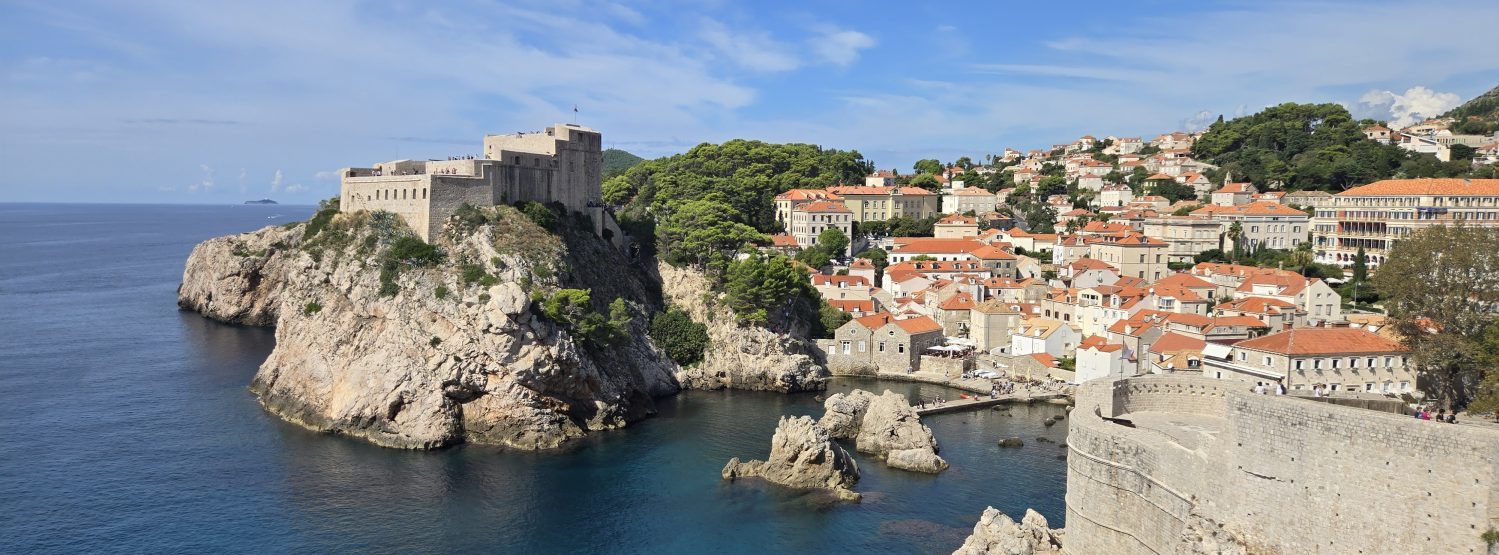

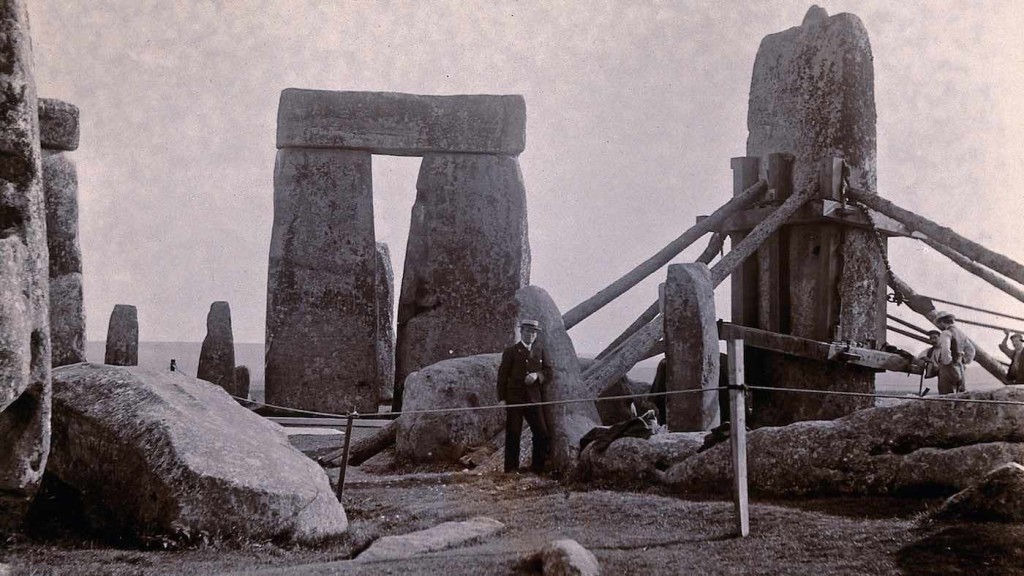


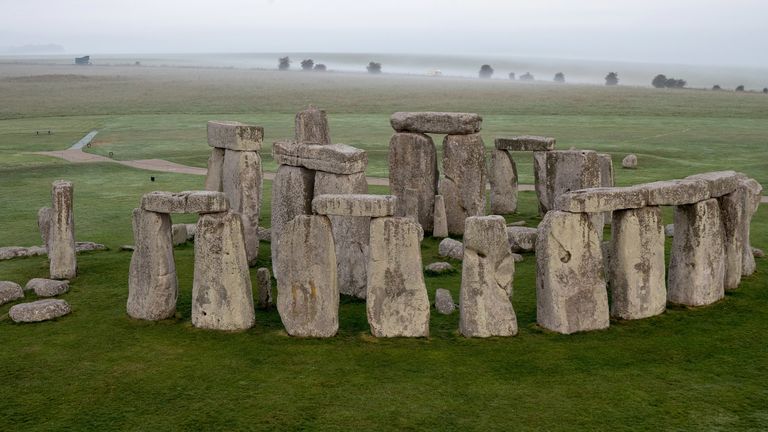

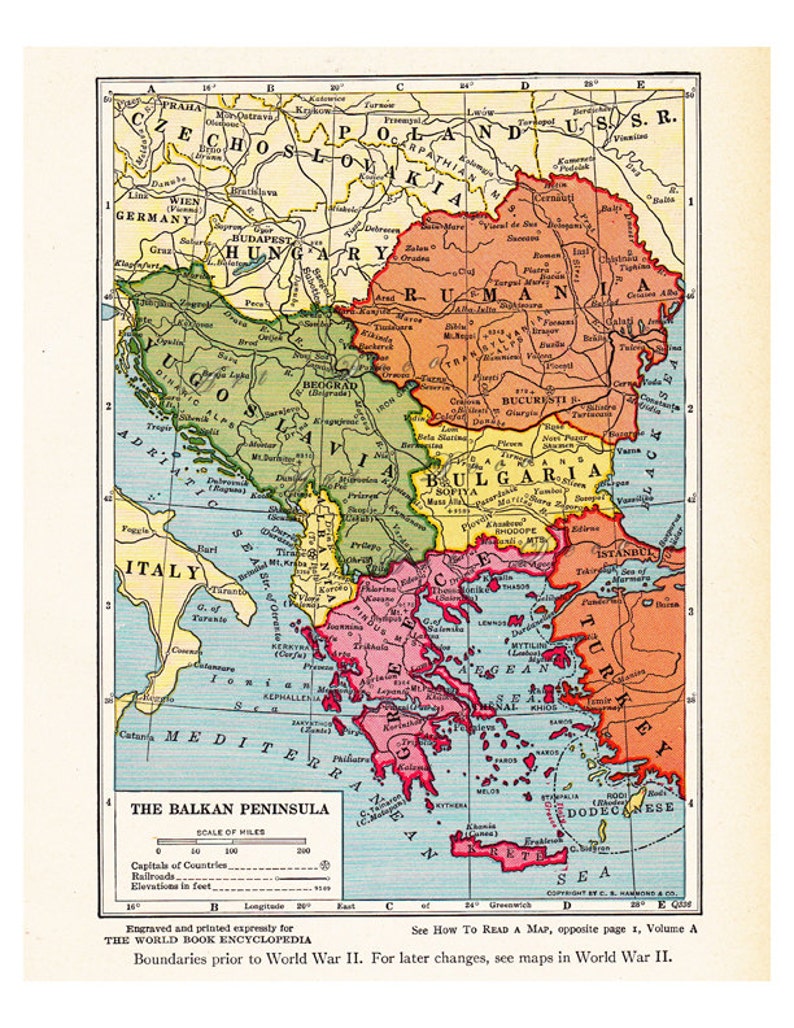


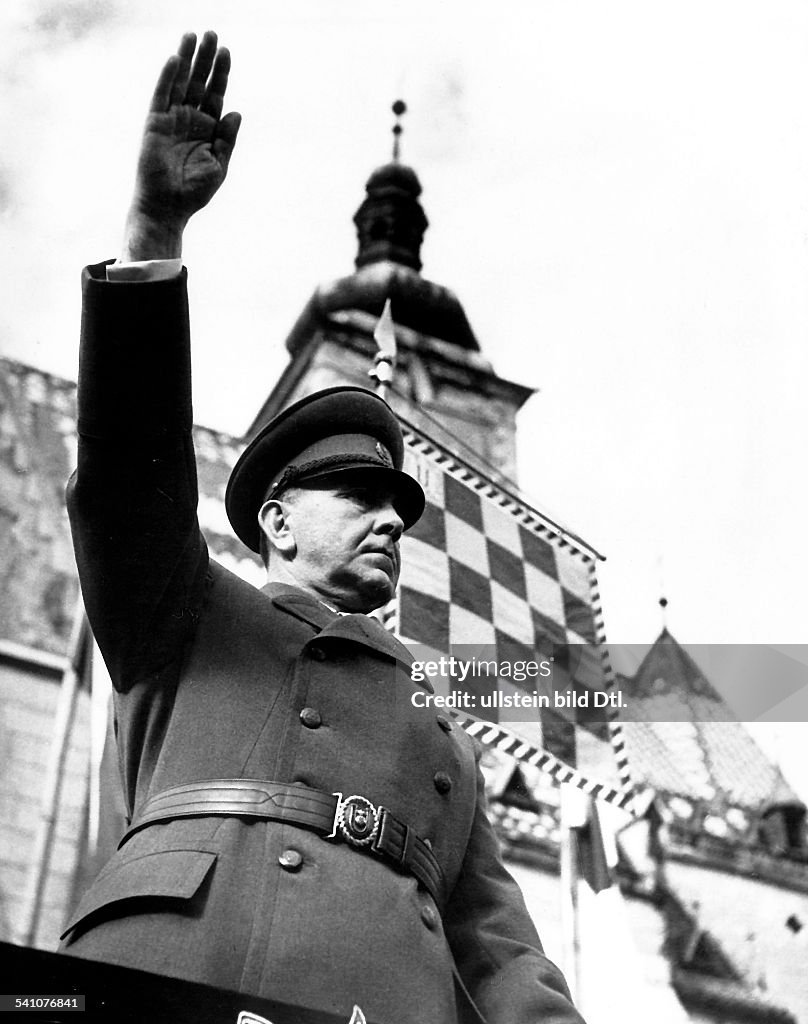


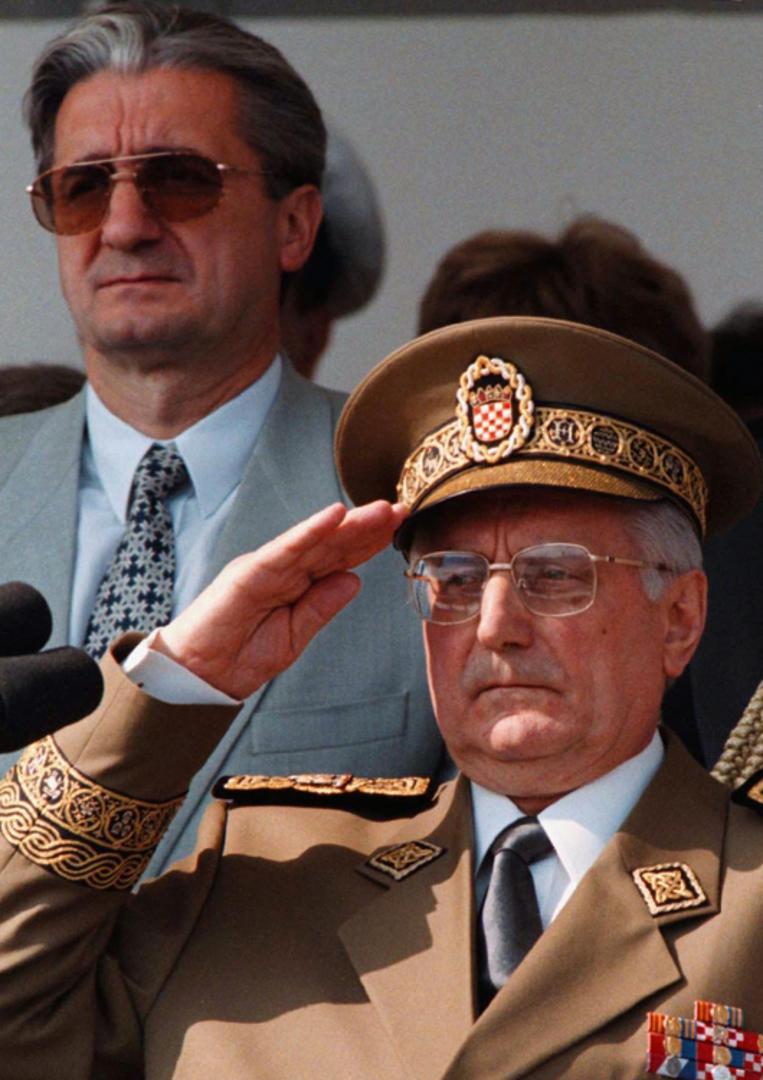
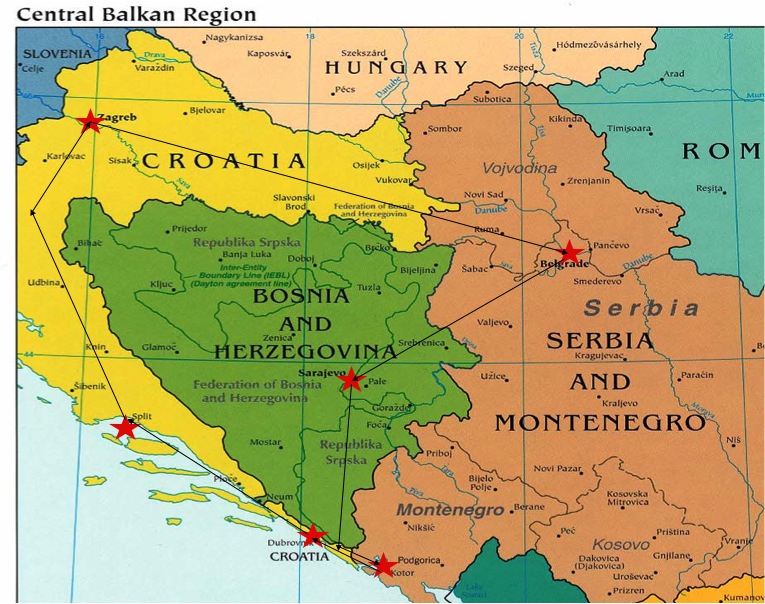
.jpg)


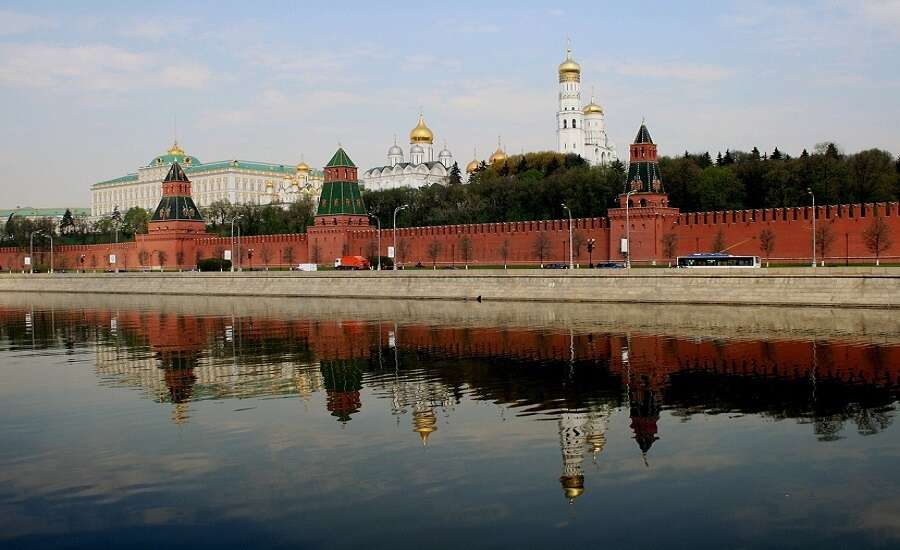
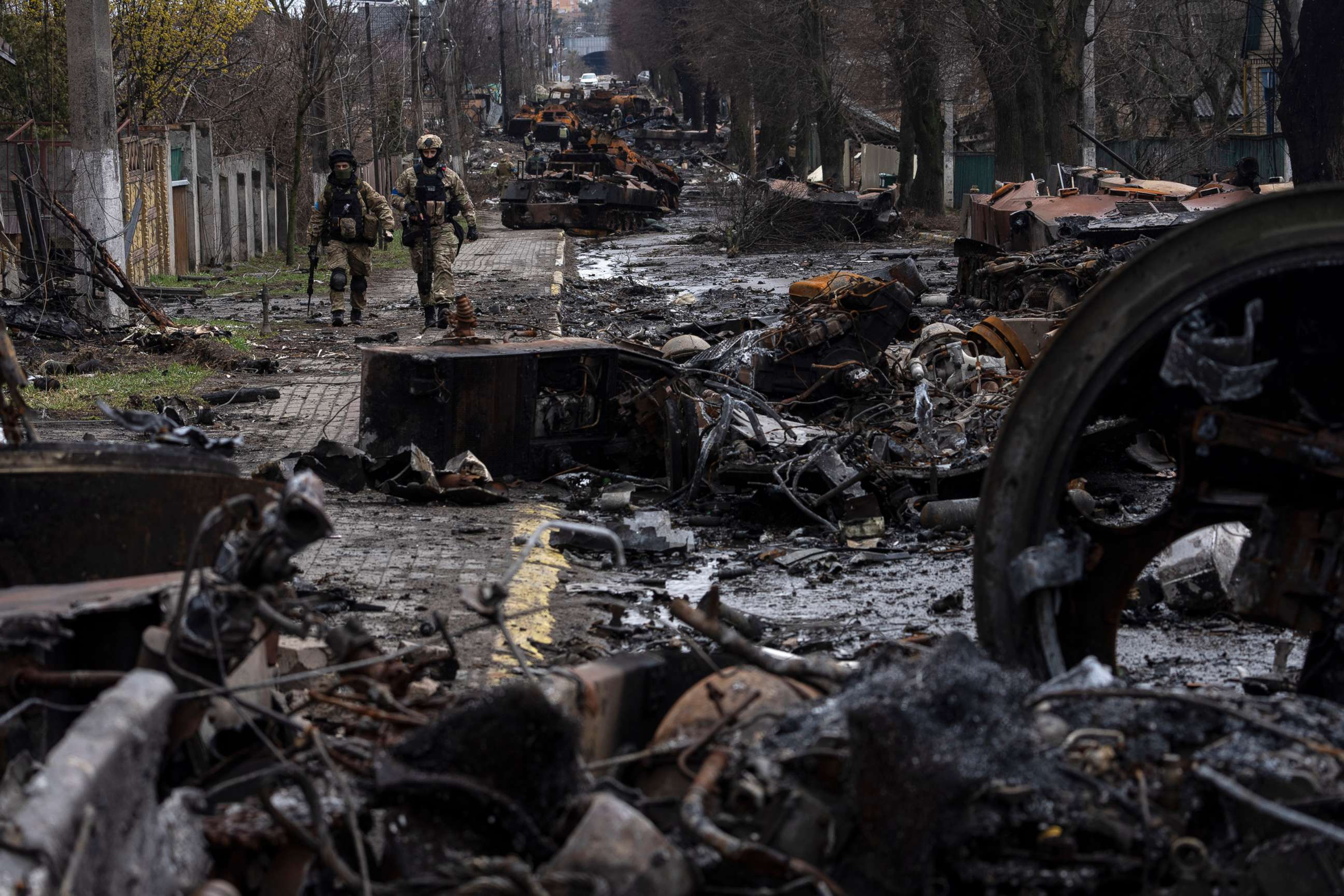


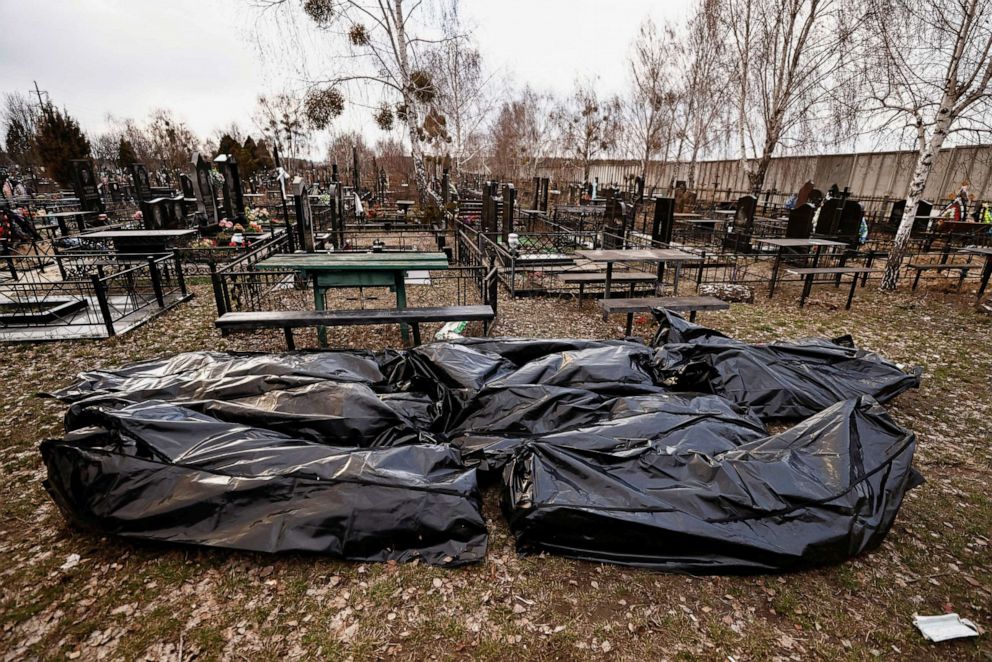
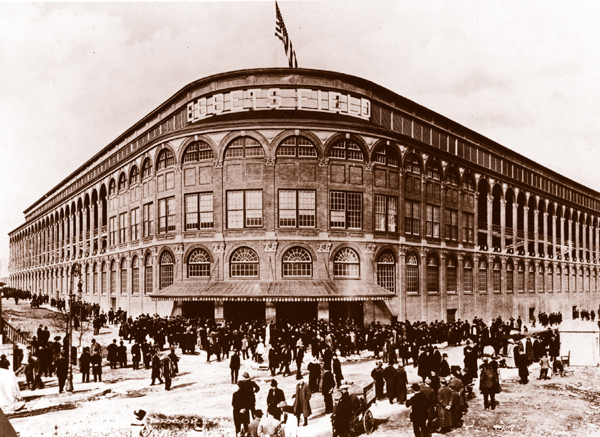
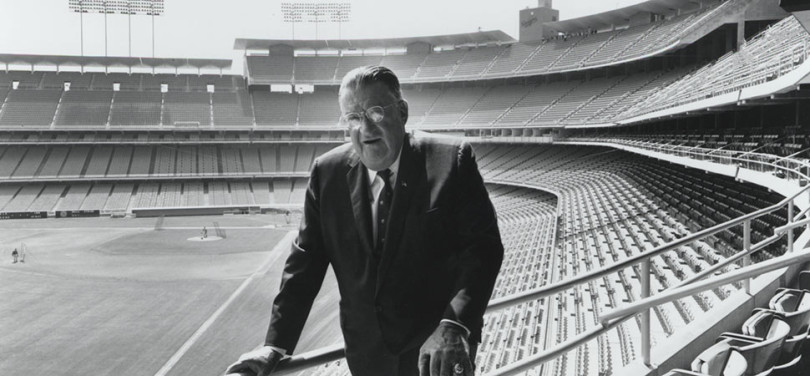
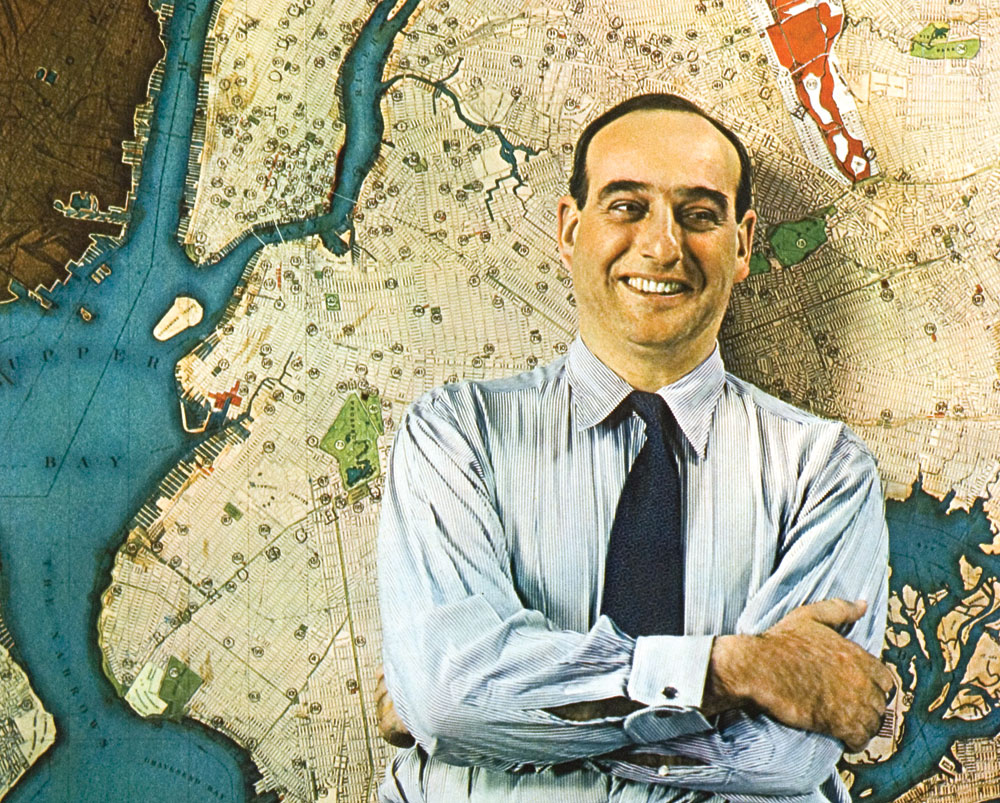
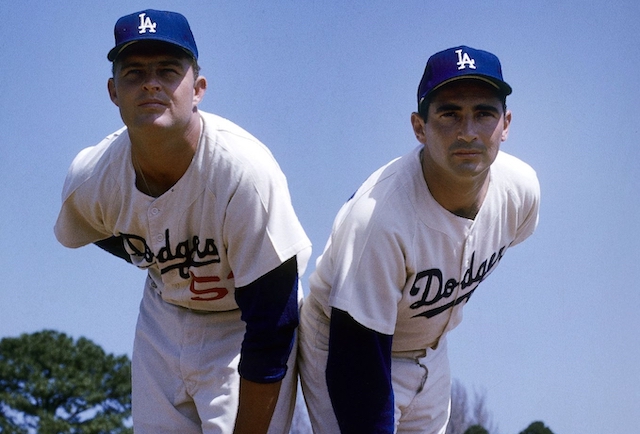
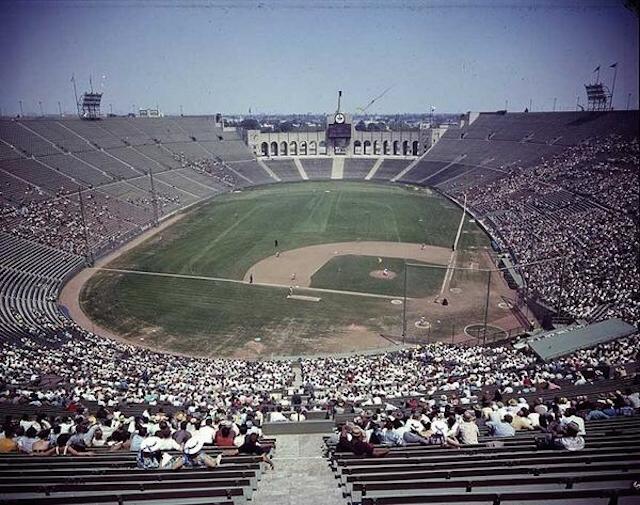
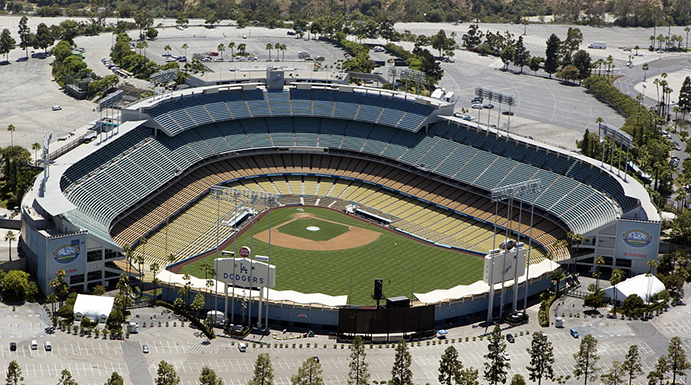
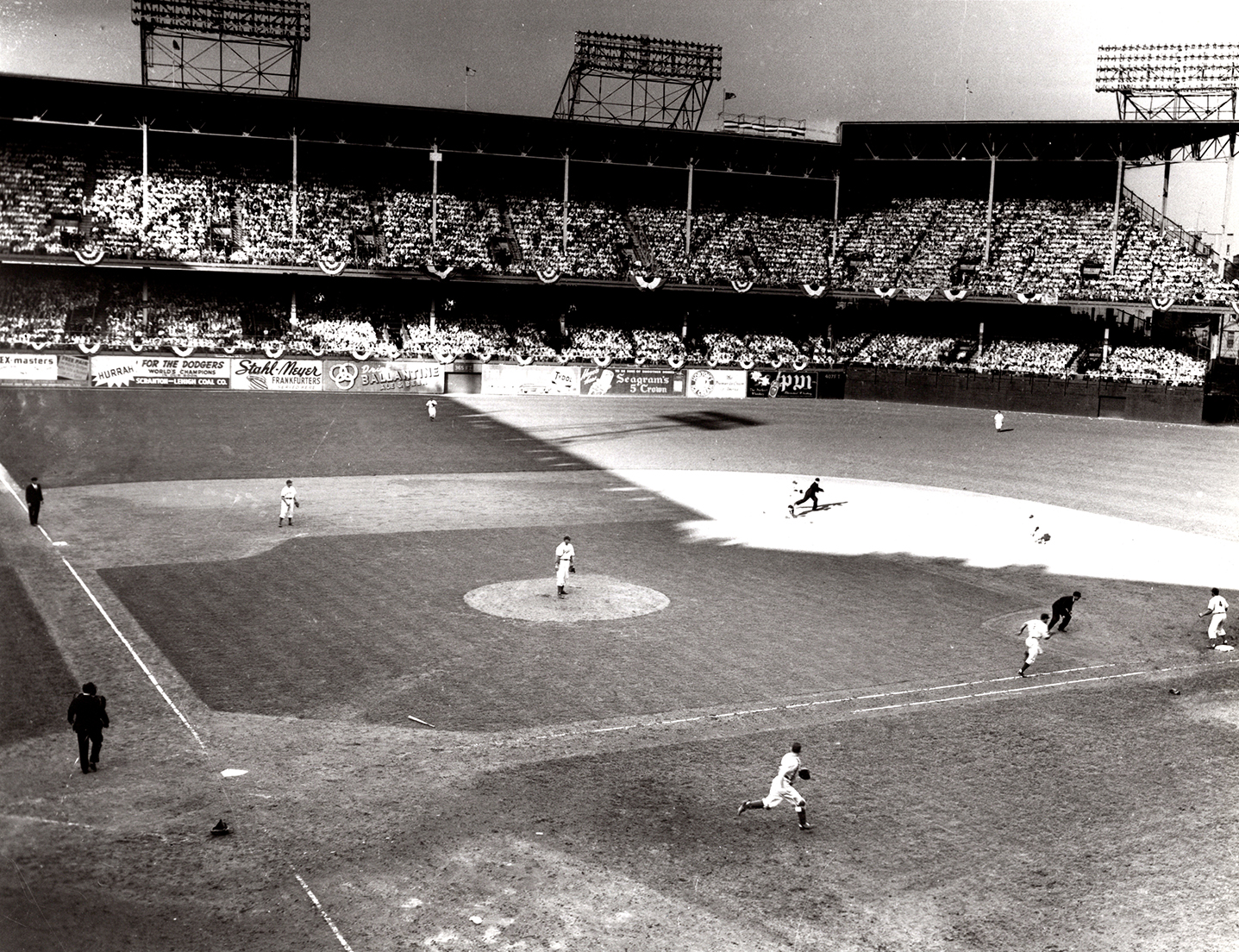
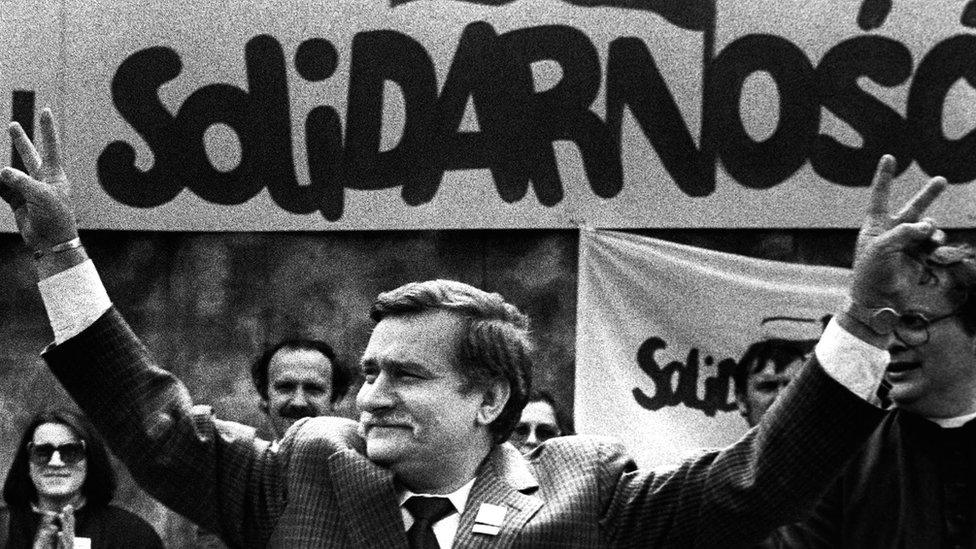
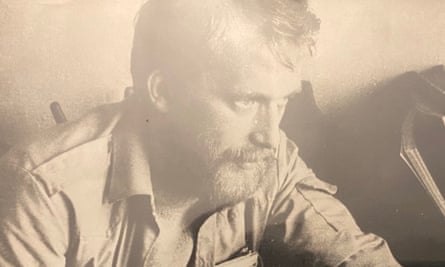


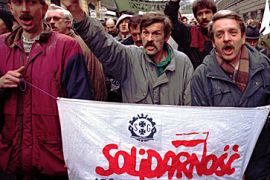


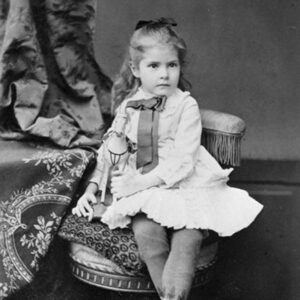
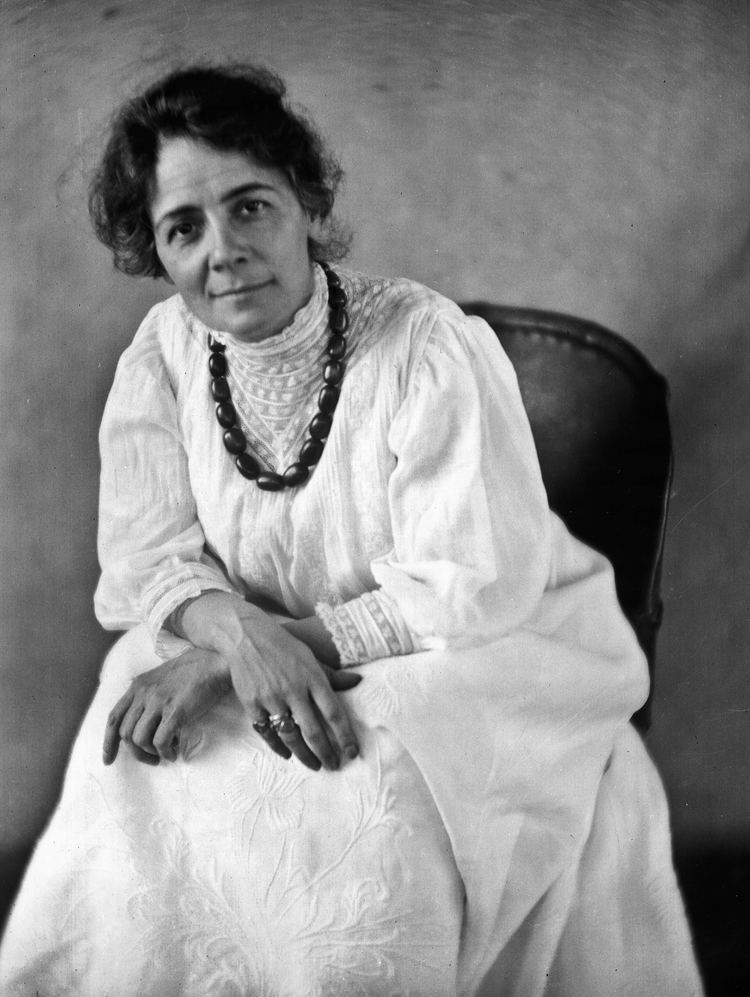

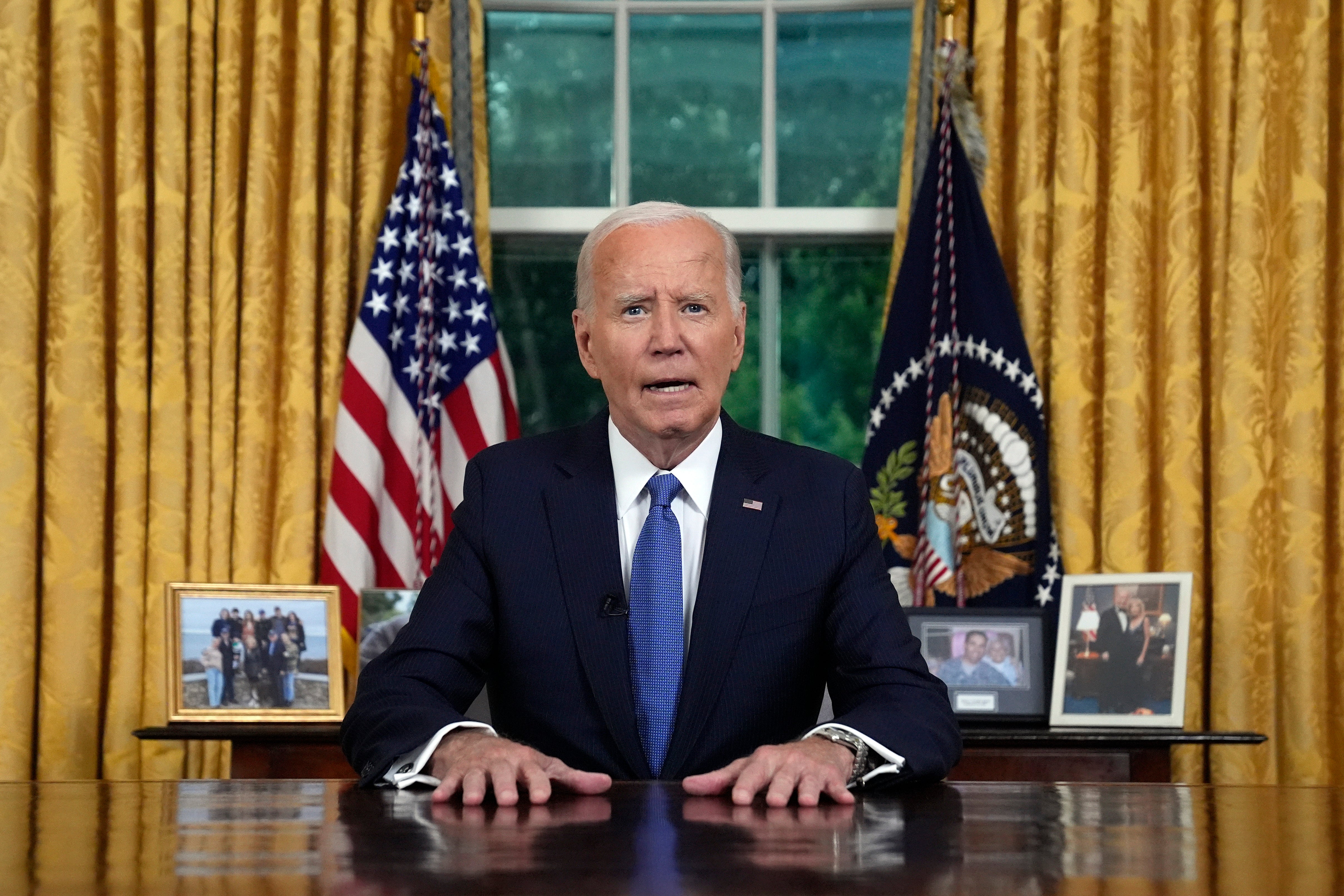 (Biden family photos sat behind President Joe Biden as he delivered his address to the nation)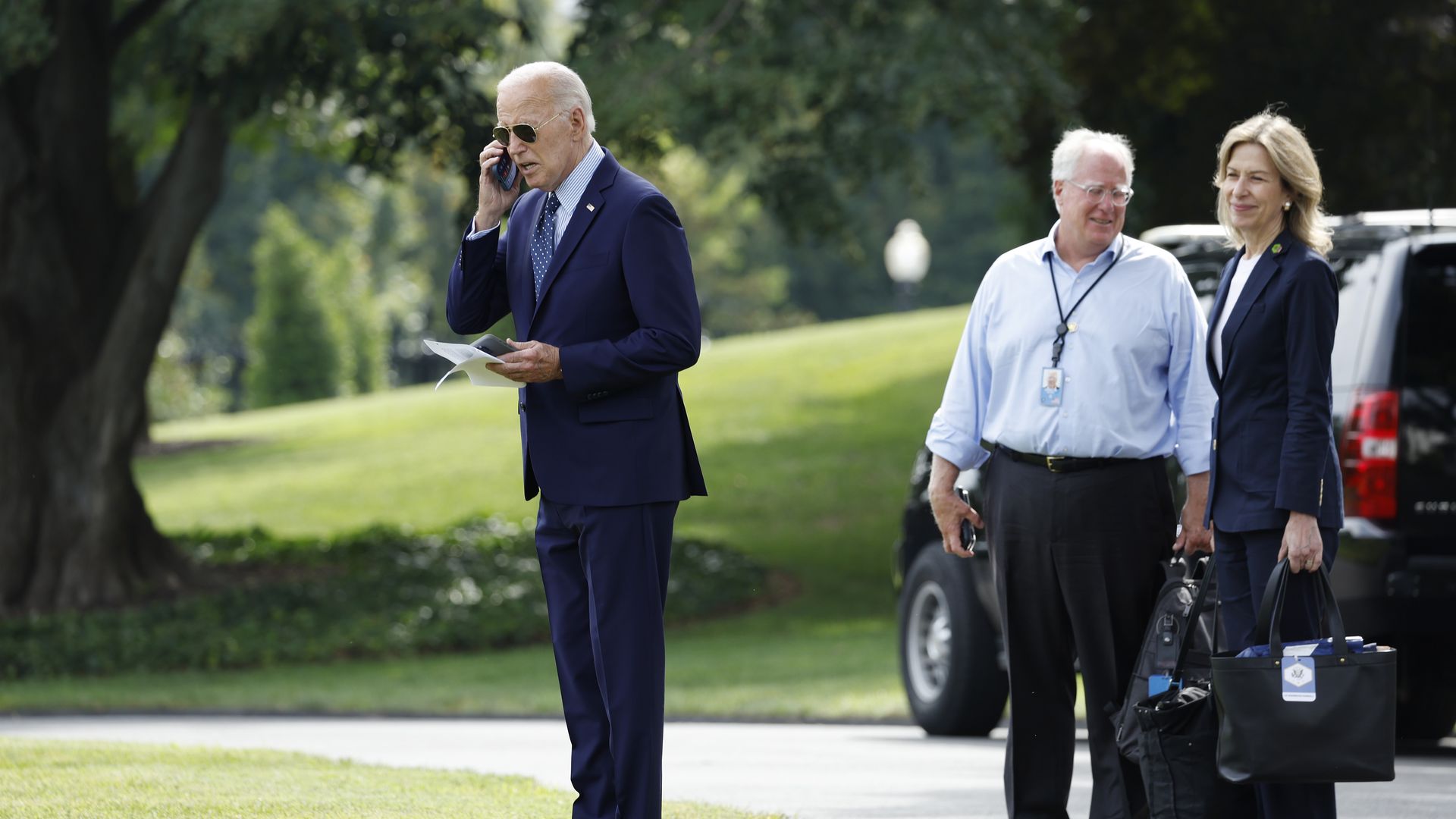


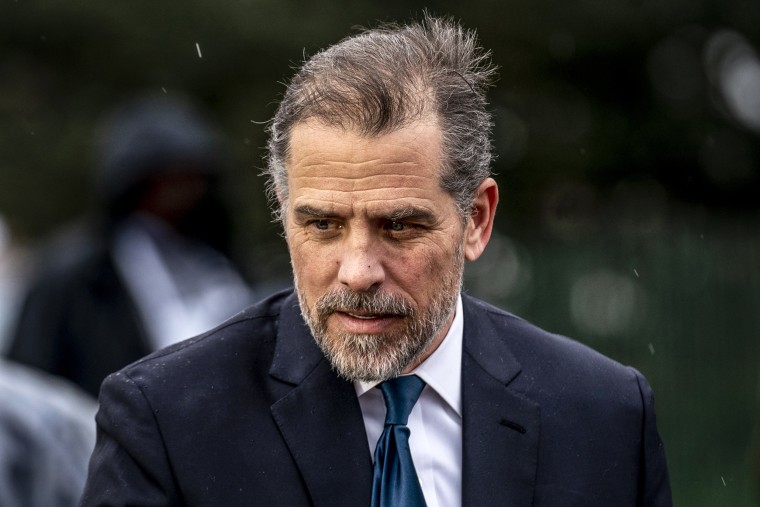
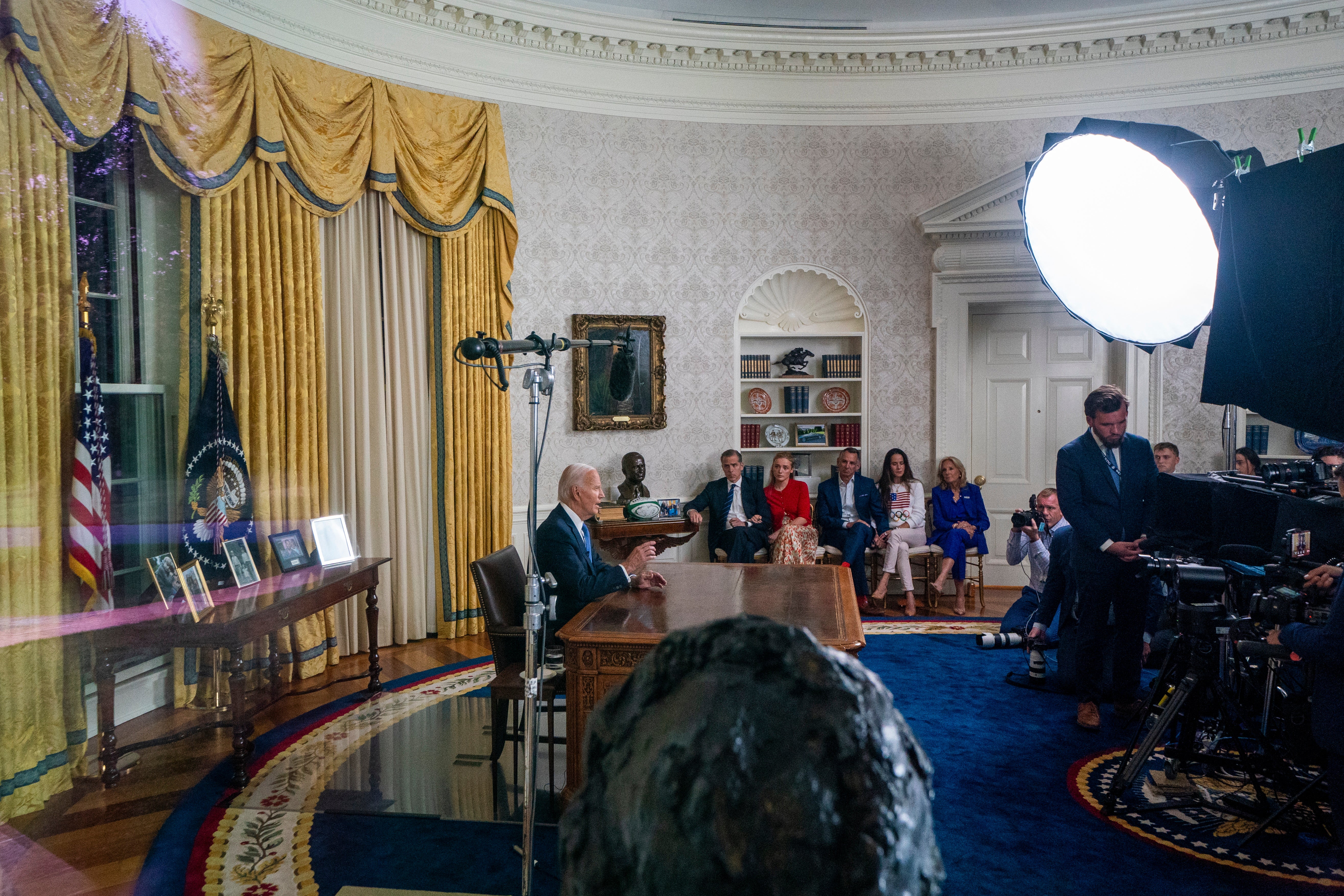 (President Joe Biden with family members nearby as he delivers remarks during an address from the Oval Office of the White House)






 Doc's Books