THE CONSTANT SOLDIER by William Ryan

William Ryan burst on the literary scene in 2010 with debut novel, THE HOLY THIEF, the first of his Captain Alexi Korolev trilogy that takes place during the 1930s Stalinist regime in the Soviet Union.  His second and third volumes in the trifecta, THE BLOODY MEADOW and THE TWELFTH DEPARTMENT set Ryan apart from other historical crime writers as he continued to navigate the justice system under Stalin.  THE CONSTANT SOLDIER is a departure for Ryan as it is a standalone novel that begins with his protagonist, Paul Brandt, a Wehrmacht soldier, wounded on the eastern front experiencing flashbacks on a hospital train bound for Hamburg.  Brandt slips into unconsciousness taking him back to his relationship with his mother, and a young woman named Judith who has disappeared, for which he blames himself.

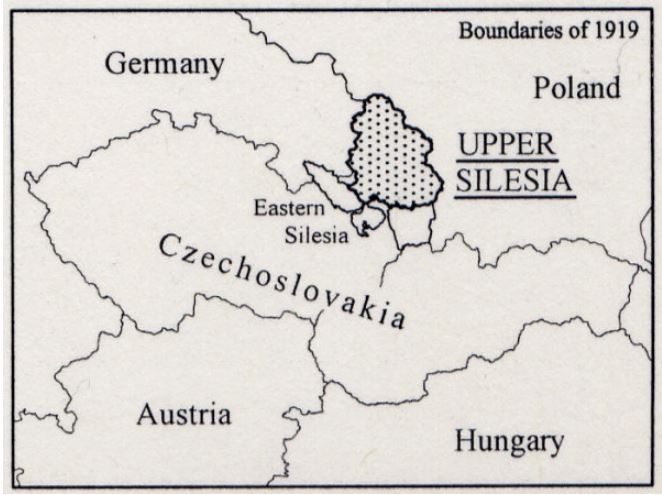
Ryan easily catches the attention of the reader with an absorbing story of a man who suffered severe injuries and wondered what he could do with the rest of his life.  The time period is late 1944 and early 1945 in the Upper Silesia part of Poland that had been under Nazi occupation since 1939.  However, as the novel unfolds Russian troops and tanks are making their way west endangering any Germans in their path.  Brandt returns home to the family farm and notices an emaciated young woman who is being held prisoner at an SS “Rest Hut” near the farm.  He is convinced that the woman is Judith, whose real name is Agneta Gruber who Brandt last saw her before the war broke out when they were arrested for anti-Nazi activity in Vienna.  Given the choice of death in prison or the army, Brandt enlisted in the Wehrmacht, but retained a guilt that he had abandoned Agneta years before.

(Russian T-34 Tank during WWII)

The physically debilitated Brandt, against the wishes of his family decides to accept a job at the Rest Hut as it’s steward as a means of trying to rescue Agneta and four other woman as the SS had begun murdering their prisoners.  Ryan creates the backstory of the relationship between Brandt and Agneta and Brandt’s obsession with saving her and assuaging his guilt.  The remorse Brandt feels goes beyond his relationship with a woman he still loves to righting the many wrongs he committed on the eastern front as a soldier.

Once Ryan introduces the suicide of an SS officer named Schmidt the novel begins to branch out from the single track of Brandt’s hopes for saving the woman to the Holocaust.  It seems his commander Obersturmfuhrer Friedrich Neumann orders Brandt to destroy Schmidt’s diary and other possessions which delineates what the SS has done on the eastern front murdering Jews.  Ryan manages the Holocaust with subtlety as he does not become involved in descriptions of mass murder, but he provides a number of hints concerning the horrors that have occurred.  For example, Neumann’s comment that he did not want to remain in Kiev and sought his transfer to Upper Silesia.  He like everyone knew what was occurring as he stated, “he hadn’t planned to become a murderer, he didn’t think.  It just turned out that way.”

Ryan does an excellent job juxtaposing a comparison of Brandt’s and Neumann’s beliefs and attitude toward the war, what they witnessed, and been involved in.  Both men develop doubts and disgust at themselves as they pondered their future.  They realize the Russians are not far away when Ryan introduces a third track to the novel through the character of Polya Kolanka, a female T-34 tank driver, one of the few in the Russian military.  We follow her quest to reach Germany and her experiences as the Soviet Union is about to overrun the Germans. 

Homeless refugee women and children, Russia, 1941.
(Refugees fleeing Russians at the end of World War II)

As Ryan’s plot evolves Brandt must navigate between a number of interesting characters.  There is Mayor Weber, a drunk with power who distrusts Brandt and has no compunction about killing.  Second in importance is the sadistic Scharfuhrer Peichl who reveled in beating prisoners.  Hubert, a partisan fighter in the forest who is in love with Brandt’s sister Monika.  Lastly, the four woman who are imprisoned with Agneta.

Ryan has authored a taut novel that expresses the dilemmas faced by Germans and Russians as the war winds down.  The reader wonders what will become of Brandt and whether he will be able to save the woman he loves, among others.  The novel is well written and follows the facts of World War II to a tee.  The novel is in part based on the experiences of Karl Hocker, an adjutant to the last Commandant of Auschwitz and he incorporates photographic documentation created by Hocker that had disappeared until 2005.  Many of the pictures were taken at a rest hut near a small village called Porabka, about twenty kilometers from Auschwitz.  Ryan uses this factual information to recreate a fictional account of an SS Rest Hut and introduces characters that reflect the hazards and emotions that their situation has fostered.

THE CONSTANT SOLDIER is an excellent read and I look forward to his latest standalone novel, WINTER GUEST which will be released this October.

DECEMBER ’41 by William Martin

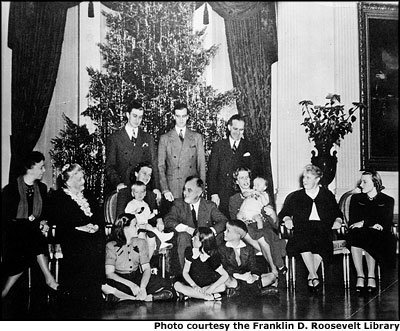
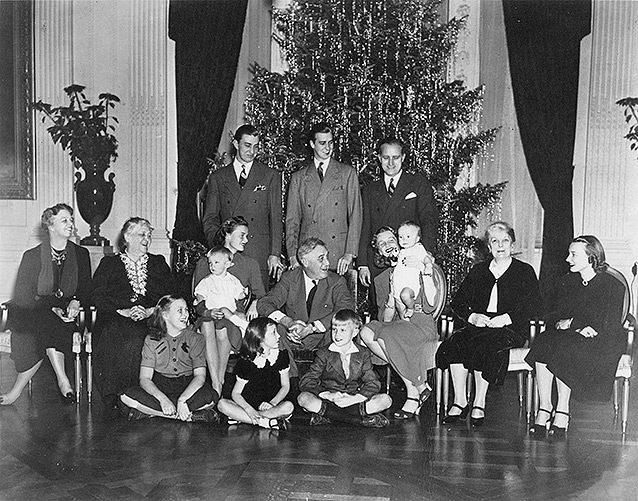
Roosevelt and family in front of the Saint Croix Christmas tree in 1941.
(The Roosevelt family, Christmas, 1941)

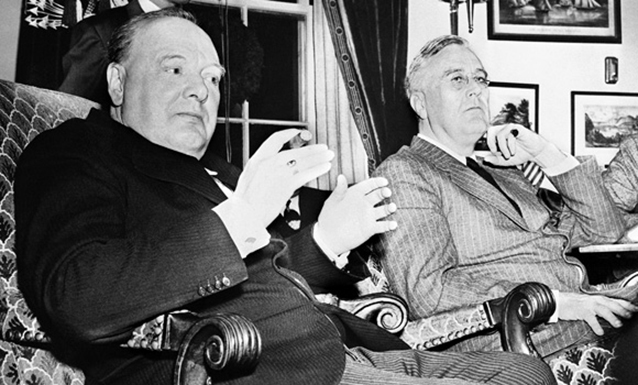
For those  who are familiar with the works of William Martin you have come to appreciate his Peter Fallon mysteries.  Novels such as HARVARD YARD, THE LINCOLN LETTER, CITY OF DREAMS, THE LOST CONSTITUTION, and BOUND FOR GLORY are structured with two alternating time periods, one dating back a century or two to our contemporary world reaching climaxes when the two came together.  Martin’s focus in other novels rests on the traditional chronological approach of historical fiction that includes; ANNAPOLIS, BACK BAY, CAPE COD, and CITIZEN WASHINGTON.  After a ten year hiatus from his last novel, Martin has authored DECEMBER ’41 a supercharged work that adopts the traditional chronological timeline which develops a plot that was designed to culminate in the assassination of President Franklin D. Roosevelt, Christmas Eve, 1941 shortly after the Japanese attack on Pearl Harbor and a surprise visit of British Prime Minister Winston Churchill.

The novel itself has elements of detective mysteries from the 1930s and 40s with dialogue, scenes, and characters from that time period.  Martin blends this approach with commentary about race, ethnicity, misogyny, and the role of the United States in the world.  In a way Martin has taken a page from Philip Roth’s novel, THE PLOT AGAINST AMERICA raising the same issues but his effort is about defeating Roosevelt through assassination, while Roth focused on replacing Roosevelt with Charles Lindbergh in the White House.

Winston Churchill and Franklin Roosevelt sit in the White House in 1941
(Winston Churchill and Franklin Roosevelt sit in the White House in 1941)

Martin begins the novel as Roosevelt is addressing Congress with his “a date which will live in infamy speech” as the American people hung on every word from coast to coast.  At the same time at a shooting range in a Los Angeles County canyon a group of Nazi sympathizers and spies engaged in target practice, one of which had plans to kill President Roosevelt.

Martin has created a scenario that at the time was not out of the realm of possibility, particularly after Adolf Hitler declared war on the United States on December 11, 1941.  Martin develops three main characters; Kevin Cusack, a script reader at Warner Brother studios, Martin Browning, a virulent supporter of Nazi Germany and an American citizen, and Frank Carter, an FBI agent stationed in Los Angeles.  The three characters evolve slowly and by the end of the novel they will all come together.  Along the way there are a series of other personalities that play important roles.  Vivian Hopewell, a starry eyed Marlene Dietrich look alike; Stella Madden, a hard nosed female detective; Madden’s flamboyant assistant, Bartholomew Bennet; Stanley Smith, a Pullman porter on a cross country train; Emile Gunst, a member of the German Bund who imports German ceramics; Helen and Wilhelm Stauer, Browning’s co-conspirators, and a host of other savory and unsavory characters.
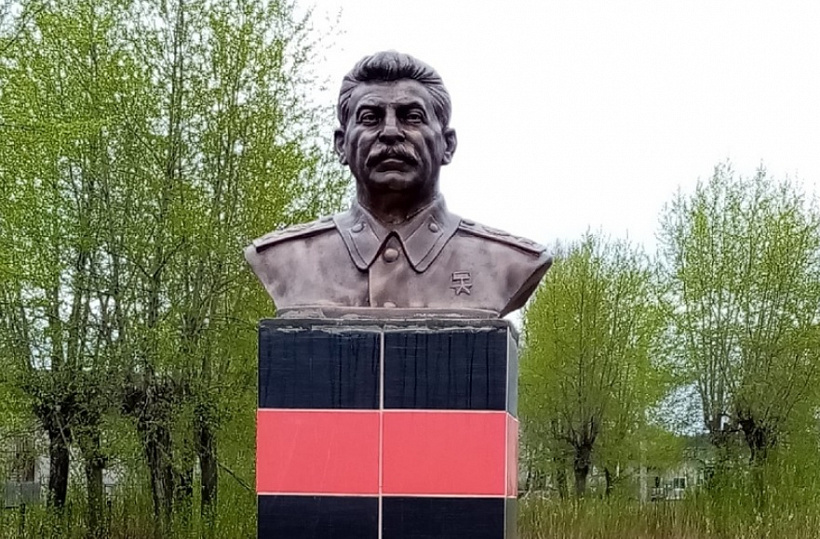
Image 1 - Santa Fe Railroad 1940 Super Chief Vintage Poster Print Retro Style B&W Art

The texture of the time period is front and center.  The reader is provided glimpses into the Hollywood culture of the 1940s with cameos from John Wayne, John Huston, Hal Wallis, Humphrey Bogart, Erol Flynn, constant references to Leslie Howard, and what it took for a female to achieve stardom. 

Martin also delves into topics which are still germane today and compares them to earlier examples in American history.  For example, when discussing the inferior quality of American leadership, he points to Warren G. Harding.  His approach to the world balance of power fosters a debate as to which is the greater threat, Communism or Nazism.  The antisemitism of the period, the America Firsters, the KKK, and the Nazi ideology espoused by certain individuals is a dominant theme.  In discussing the interaction between diverse characters, American racism comes to the fore particularly the role of porters on American railroads and trains with nicknames like “Super Chief.” In summary, the first half of the novel is not up to Martin’s usual standards in developing his plot.  However, once a number of characters board a train from Los Angeles to the east coast the novel begins to gather steam.  The question is has Martin written a storyline that is feasible, the answer is yes, but has he branched out and produced an approach that is new, the answer is no.  In the end the novel is an easy read, but it is not as absorbing as his other efforts.  When I picked up a William Martin novel I had great expectations.  I anticipated something that was in the realm of previous Martin efforts, Ken Follett or Frederick Forsyth.   However, the current work left me somewhat disappointed.   Despite some exciting and heart pounding scenes, overall, it left me hoping for a plot that was more engaging with greater depth.

President Roosevelt family photo. Courtesy the Franklin D. Roosevelt Library.

GREY BEES by Andrey Kurkov

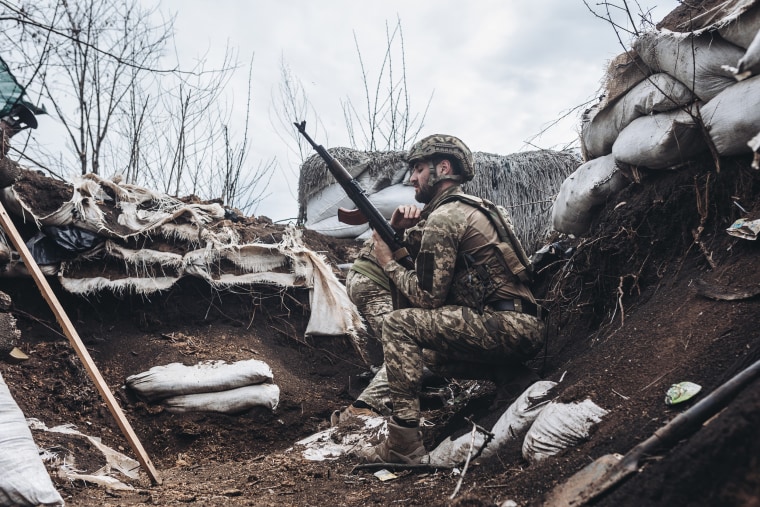
Ukrainian frontline in Donbass
(A Ukrainian soldier in the Donbas region)

On May 9, 2022, Vladimir Putin stood in Red Square and celebrated the Russian victory over Nazi Germany.  As he spoke the “Special Military Operation” he unleashed on February 24th grinds on with a death toll estimated at 26,000 for Russia and god knows how many Ukrainian soldiers and civilians, assuredly in the thousands.  The war, a term which is illegal in Russia took a turn last month when Russian forces withdrew from the Kyiv region as Moscow decided to cut its losses in the west and concentrate its firepower in the east, particularly in the Donbas region made up of Luhansk and Donetsk two areas that have been at war with the Ukrainian government since Moscow annexed the Crimea in 2014.

For the people living in the region who did not leave for Russia or safer parts of Ukraine, war has become an almost accepted part of their daily lives.  Today the fighting has been brutal and mirrors the type of conventional battles that ground up thousands upon thousands of soldiers during World War II.  Success for either side on the battlefield has been slow as Russia launches its missiles and artillery and Ukrainian forces try to stall the Russian advance and in certain areas retake villages from Russian troops.  The people who are caught in this morass between the Ukrainian troops and pro-Russian separatists in the breakaway “people’s republics” of Donetsk and Luhansk live in what is referred to as the “grey zone.”  No one knows exactly how many people remain in the area, but for those who have stayed the chief aim is survival.  To ascertain what life is like for the residents of the eastern region, Ukrainian novelist, Andrey Kurkov has authored a haunting book entitled GREY BEES, a story about a disabled pensioner and devoted beekeeper – “one of the people of the Donbas.”

PHOTO: donbas region in ukraine

Kurkov’s protagonist is named Sergey Sergeyich who travels to Crimea where he hopes to arrange a holiday for his bees.  Instead, his trip south turns into an ordeal as he witnesses the poor treatment of the Crimean Tatars by Russian authorities.  Sergey tries to maintain neutrality between the two sides, but he develops sympathy for the Muslims and his beliefs create suspicion on the part of the Russian security service – the FSB, which is also a threat to his beloved bees.

The first part of the novel is devoted to Sergey’s life of isolation in the tiny village of Starhorodivka located in the grey zone between Ukrainian and Separatist soldiers.  Sergey’s life is one of repetition, boredom, and survival.  With no electricity and limited access to food his focus is clear – avoid snipers and travel only at night.  The only other person who lives in the village is his “frenemy,” Pashka Khmelenko who seems pro-Separatist/Russia.  Their relationship goes back to childhood and was never strong, but the situation they find themselves in draws them closer.

Sergey was married with a daughter, but after a series of disagreements his wife left taking their child with her.  Sergey had been a mine inspector before the war, but by age forty-two he retired on disability with silicosis.  Sergey’s outlook on life is clear, he must maintain his health as best he can for the sake of the bees.  If he should pass away the bees would perish – he refuses to allow himself to “become the annihilator of hundreds of thousands of bee souls.”  He believed such a sin would burden him through his afterlife.  Sergey is firmly neutral in terms of political affiliation during the war – he only cares about his bees and worries what might occur to his society of beekeepers if Donetsk were to become independent since there was no society of beekeepers in that region.

Map showing areas of Ukraine currently under Russian control

The novel provides a window into the horror of what life is like in eastern Ukraine.  The dominant emotion is how to deal with the silence between bombardments.  Military silence which is not really silence becomes the norm as the shelling can come at any time – it becomes the accepted mode of existence for people in the region.  Kurkov describes a grey area that had been consumed by mining, but Sergey looks forward to spring, whenever it arrives as it brings the beauty of nature that offsets the calamity of destructive warfare.

The second part of the novel evolves as increased shelling begins to disturb the hives, so Sergey loads up his bees in his Lada and travels from town to town finally reaching Crimea.  As the story progresses Sergey finds it difficult to remain neutral as he sees how the Russian soldiers treat his beekeeper comrade, a Crimean Tartar named Akhtem and his family.  Sergey’s commentary is enlightening as he compares the behavior of his bees with behavior during the Soviet period and wonders why his bees are acting like humans.

For the author, “civil society” could learn a great deal from Sergey’s bees.  In addition, Kurkov’s story and dialogue point to the timelessness of war.  For Sergey and others, telling time serves no purpose, only the seasons matter. 

During his journey to Crimea, time is of the essence as Russian authorities will only grant him a ninety day pass.  As he travels on, Sergey meets a number of people that will influence his journey and alter his perceptions of the human condition.  Gayla, a woman who operates a food store, wants him to stay with her.  Aisylu, the widow of his bee colleague, Akhtem provides food and emotional support.  Lastly, a series of Russian officials who seem to enjoy creating obstacles for Sergey.  In all instances the reader will acquire insights into life in Crimea and the Grey Zone and how Putin and his minions inflict tremendous psychological and physical damage on its inhabitants.

(Andrey Kurkov, author)

In a novel that professes neutrality the portrayal of Russian characters comes off according to Jennifer Wilson in her March 29, 2022, New York Times  book review “as eerily cold, almost monstrous – snipers, cops, Putin apologists – as the actions of the Russian government were in some ways reflective of a deeper national character.  It recalls Kurkov’s professed view of Russian and Ukrainian people as fundamentally different, each with a unique ‘mentality.’ As Putin tries to justify his occupation on the grounds of a shared history, there is indeed a strong current within Ukraine’s intelligentsia toward highlighting what makes the cultures and literary traditions distinct. Any suggestion of syncretism or co-influence feels tantamount to treason.”

The Dublin Literary Award states that Grey Bees is as timely as the author’s Ukraine Diaries were in 2014 but treats the unfolding crisis in a more imaginative way, with a pinch of Kurkov’s signature humor. Who better than Ukraine’s most famous novelist to illuminate and present a balanced portrait of this most bewildering of modern conflicts.

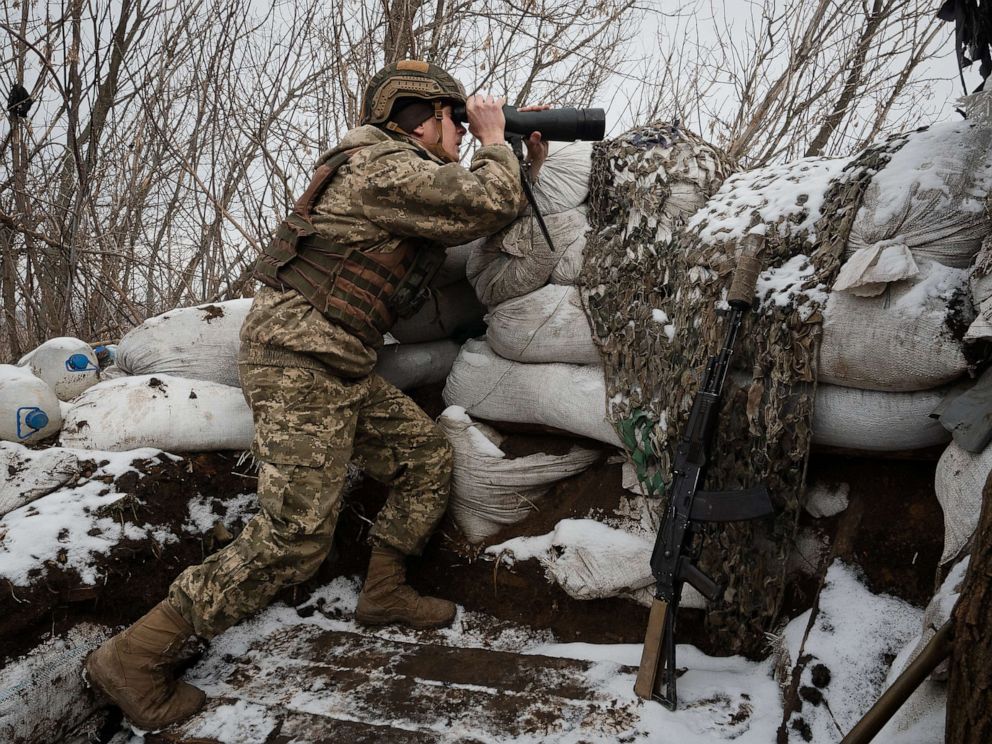
PHOTO: A Ukrainian Serviceman monitors the possible movement of the separatist forces at a frontline position held by Ukraine's 503rd Detached Marine Battalion on Feb. 7, 2022, near Verkhnotoretske, Ukraine.
(A Ukrainian soldier in the Donbas region)

THE DIAMOND EYE by Kate Quinn

(Lyudmila Pavlichenko)

The preparation and presentation of good historical fiction is an art form.  The ability to engage in the necessary research and apply what is uncovered in a fictional format that represents accurate history is a challenge.  Blending the lives of historical figures with fictional ones can create fascinating stories that should absorb the reader’s attention.  One of the most important practitioners of this art is Kate Quinn whose previous historical novels include; THE ALICE NETWORK, THE HUNTRESS,  AND THE ROSE CODE all of which have attracted a wide audience and critical acclaim.  Her latest effort, THE DIAMOND EYE will surely gain the same notoriety and praise as her previous work.

The central character in THE DIAMOND EYE is Lyudmila Pavlichenko (Mila) who during World War II transformed herself from a studious girl who loved history into a deadly sniper whose nickname was “lady death.”  Quinn is able to take her remarkable story and develop it into an amazing novel that reflects heroism and the transformation of her subject from motherhood to becoming a soldier.

The question that overlays Quinn’s novel is how a library researcher, a graduate student, an aspiring historian, and mother becomes a deadly sniper?  Along with providing the answer to this query, Quinn develops Mila’s character and sense of self very slowly.  Her growth and confidence carefully evolve as she masters the intricacies of science, weather, logistics, and math that are a part of each shot a sniper must consider. 

Eleanor Roosevelt
(Eleanor Roosevelt)

An important dynamic in the novel is how Mila finally stands up to her husband Alexei who she married at fifteen, got pregnant, and raises her son Slavka.  Alexei wants no part of his family and abandons them to reappear as a surgeon on the southern front in the great patriotic war against the Nazis.  Mila will fall in love with her commanding officer Alexei (Lyonya) Kitsenko and believes they will have a wonderful life should they survive the war.

Along her journey Mila must overcome a number of fears and obstacles.  First, as the only woman sniper in a company of men she fears being raped.  Second, most officers believe that women should not be soldiers, less so a sniper.  Third, she misses her son Slavka who is being raised by her parents.  Fourth, dealing with an obnoxious, misogynistic husband who will not easily grant her a divorce.  Lastly, overcoming her fear and then acceptance of death, including her own.  As the novel progresses these issues all come to the fore.

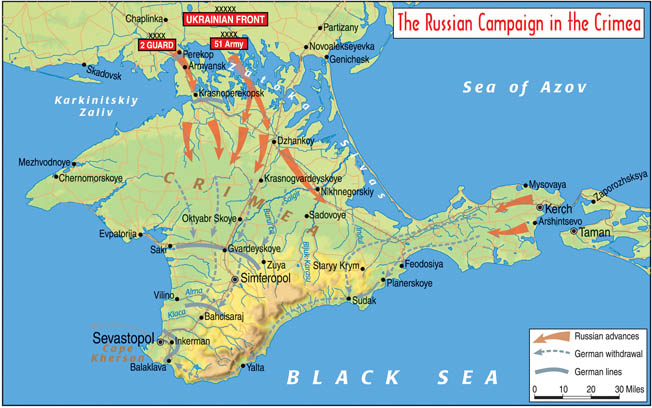
Quinn has created a dual plotline as she develops her story.  From the outset Quinn strongly hints that her story is more than just recounting the life of a woman sniper with over 300 kills.  As Mila’s reputation proceeds her, against her will, the Soviet propaganda machine sees her story as an opportunity to foster publicity for the war effort particularly as it relates to the disposition of the Russian people and how they are perceived by the United States.  In 1942 Mila will be dispatched from the fighting in Sevastopol to the United States where she will meet  Eleanor Roosevelt, a character Quinn makes excellent use of with her diary commentary about the war and her husband. The trip has its highs and lows, as Mila unexpectedly develops a friendship with Eleanor and tries to influence American policy.   

The Eastern Front exacted a terrible toll on the German Army and Hitler’s refusal to abandon the Crimea needlessly cost Germany countless troops.

While in Washington it seems that a “Marksman” is following Mila who he hopes to scapegoat as an assassin of President Roosevelt.  The “Marksman” will conduct the deed and arrange a scenario for Mila to be blamed thereby ruining the allied alliance and removing a president that isolationists and conservatives abhor.

As in all her novels Quinn’s writing is spot on and is able to humanize Mila by showing how she and Kostia, her sniper partner use humor, along with a healthy amount of vodka to cope with their risk-taking to survive in the hostile environment of warfare.  Her relationship with Kostia is extremely important as are Quinn’s insights into the training, preparation, and implementation of the tasks that are the raison detre of being a sniper.

Quinn integrates a number of characters of which the members of her sniper command stand out, particularly Vartanov, an old ranger from Crimea who could move through trees likea ghost who Mila comes across and will join her group despite his age.  He is an asset because of his knowledge of the terrain, and he is “dead on” shot.  Olena Ivanova Paily also stands out as the nurse who befriends Mila and treats her in a field hospital after she is wounded twice and encourages her to pursue a life apart from killing Nazis.

Kate Quinn is a superb storyteller, and she perfectly captures Mila’s spirit and personality both on and off the battlefield. Quinn provides an important chapter entitled “Author’s Note” at the end of the book that provides a great deal of insight and information regarding Mila and how she structures her novel.  This is an important book especially since the fighting takes place in the Ukraine, Crimea to be exact, and shows like today how civilians with no military experience can make a difference in combat.

lyudmila pavlichenko

(Lyudmila Pavlichenko)

THE LINCOLN HIGHWAY by Amor Towles

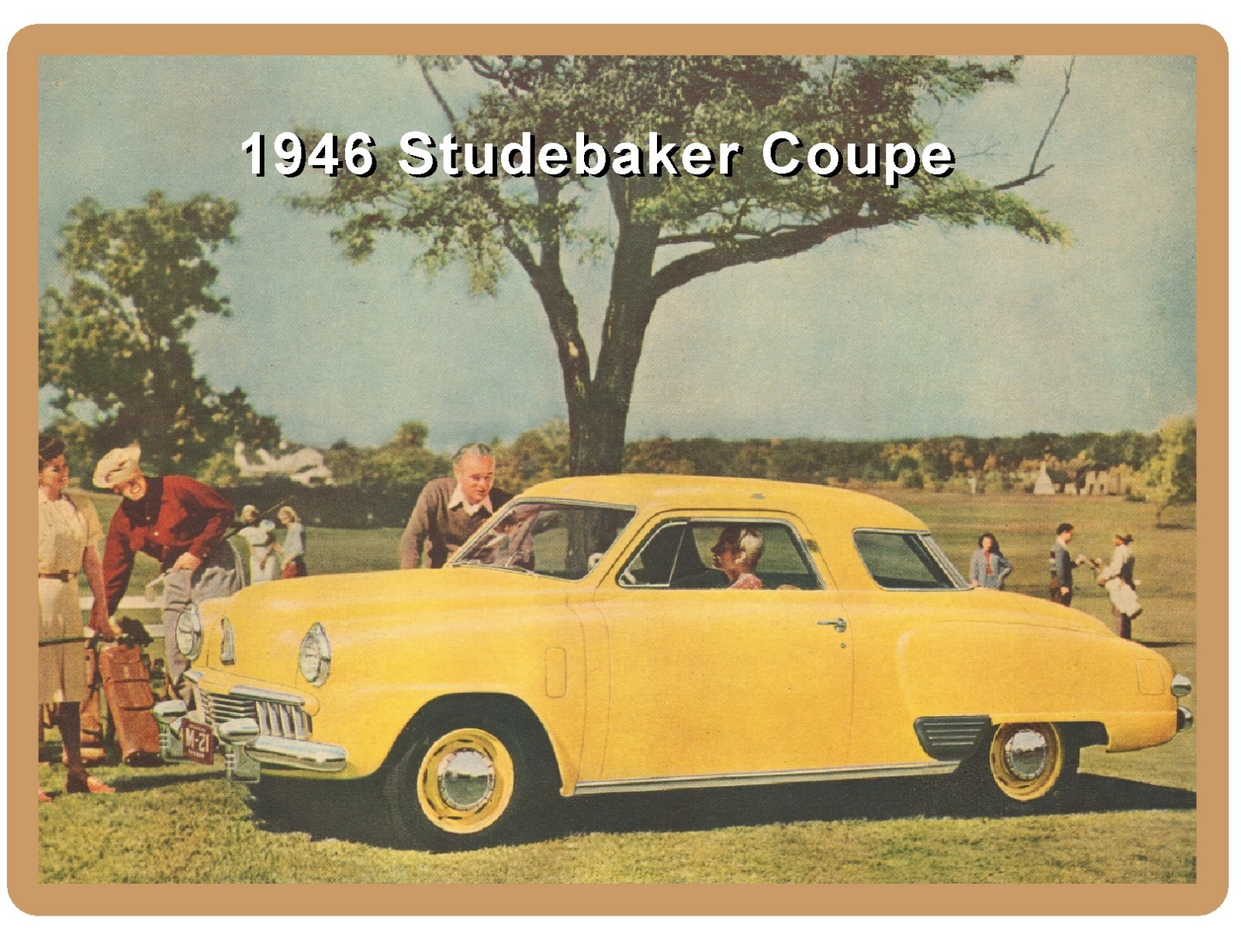
Image 1 - 1946 Studebaker Coupe Auto Car Ad Refrigerator / Tool Box Magnet

After creating two the national bestsellers, RULES OF CIVILITY and A GENTLEMAN IN MOSCOW, Amor Towles has now offered his third novel, THE LINCOLN HIGHWAY which has also received praise from many quarters.  The book approaches a ten day period in June 1954 involving four major characters as their journey culminates in New York City.  The story is told from multiple points of view, which has become a staple in Towles’ novels.  The story begins with Warden Williams returning Emmett Watson to his home Morgen, Nebraska after serving an eighteen month sentence at the Salina, Kansas youth home for manslaughter.  After Watson has been delivered to his house he discovers that two inmates from the farm, Woolly Walcott Martin and Daniel (Duchess) Hewett have hidden in the warden’s trunk as a means of escaping the farm.  These three characters along with Emmett’s brother Billy are the vehicle from which the stories embedded in the novel are told.

After their farm is foreclosed upon following the death of their father, Emmett and Billy decide to head to California to try and locate their mother who had abandoned them a decade ago.  Their plans change when Duchess and Woolly abscond with Emmett’s Studebaker and travel to New York.  The novel builds on this framework developing many interesting situations and characters highlighted by Towles approach to life and the foibles of people. 

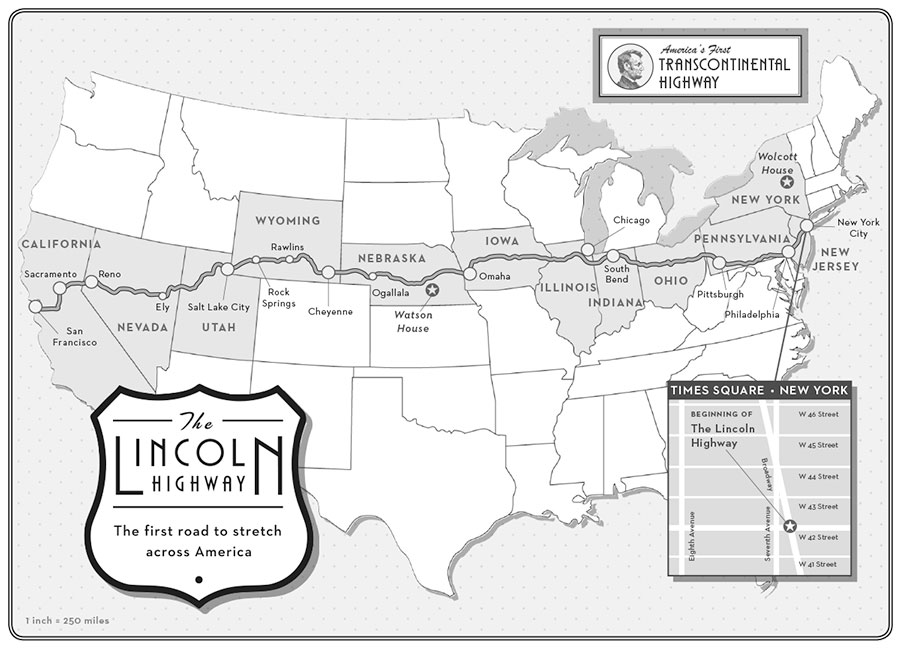
The Lincoln Highway map from the book

Towles does a superb job framing scenes and is a master of dialogue be it a discussion of Kazantis the escape artist or the philosophical approach to life of Ulysses Dixon, “a large negro” who will save Billy’s life while traveling on a freight train.  Towles creates delightful characters that will capture the reader’s attention throughout the novel.  For example, Emmett’s search for cereal in the General Mills freight car that he and Billy had stolen a ride on to catch up to Duchess and reclaim the Studebaker.  It is on that freight car that Pastor John appears who informs Billy that he is a real pastor “like my namesake John the Baptist, my church is the open road and my congregation the common man” that things will become interesting.

Of all the characters that Towles creates, Ulysses is the most interesting. Ulysses’ story is a sad one as he volunteered for military service in 1943 against the wishes of his wife who was pregnant and when he returns following the war they are nowhere to be found.  Ulysses punishes himself by living in a homeless community under a bridge in New York City and traveling the country using freight trains as a means of transportation.  Towles use of Homer’s THE ILIAD is a remarkable tool to gain insight into Dixon’s life and what the outcome of his journey might turn out to be.

As Towles tells his story through the lens of the four main characters and a few ancillary ones the reader gains diverse perspectives about the same scenes and events and provides a greater understanding of human nature than focusing on only one perspective.  Towles is a marvelous storyteller with a keen eye concerning human relations and their attitude towards life’s vicissitudes.  Towles integrates a number of unusual analogies, for example, comparing the Salina youth farm with Alexandre Dumas’ THE COUNT OF MONTE CRISTO among many others.

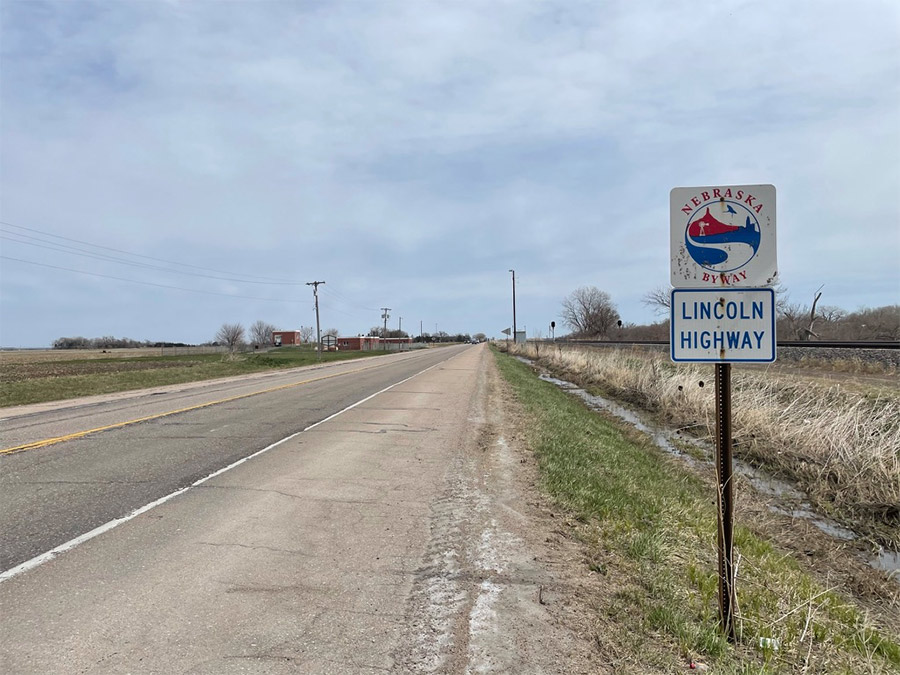
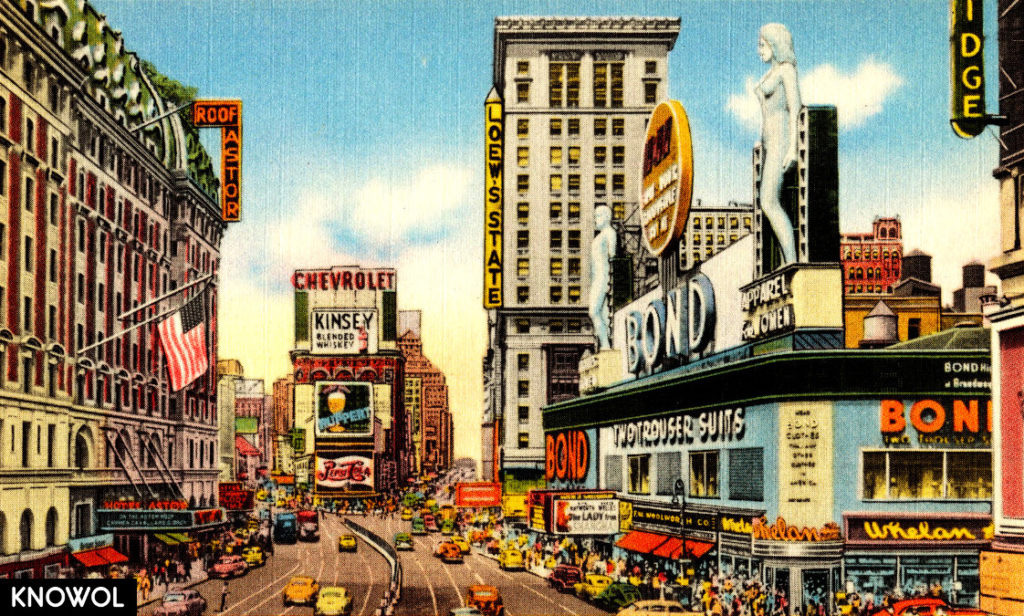
Towles provides an accurate view of the 1950s through the landscape of the Lincoln Highway which connects Times Square in New York to San Francisco.  As Towles characters travel across America underlying themes of ant-communism, anti-Semitism, racism, and socio-economic inequality come to the fore.  Towles eye for detail is astonishing as he explores American culture employing diverse examples including; a Coup Deville, a Playtex bra, cans of Chef Boy-Ardie, television programs from Dragnet to the Long Ranger and others too numerous to mention.

The novel revolves around Emmett’s search for Duchess and their coming together in New York. The travail’s they experience, include Woolly and Billy, along with the family baggage they carry around.  The adventures that emerge are entertaining, thoughtful, and easily maintain the reader’s attention.  The commentary offered by Emmett, Duchess, Woolly, and Billy stand out in terms pathos, empathy, humor, and the serious nature of the lives they are living.  Towles use of Professor Abacus Abernathe’s COMPENDIUM OF HEROES, ADVENTURES, AND OTHER INTREPID TRAVELERS, a red book carried by Billy everywhere describing 26 heroes from Achilles to Zorro is an excellent source to present past history and how it affects the present.  Towles scenes where Billy meets the professor is unusual, and extremely important.

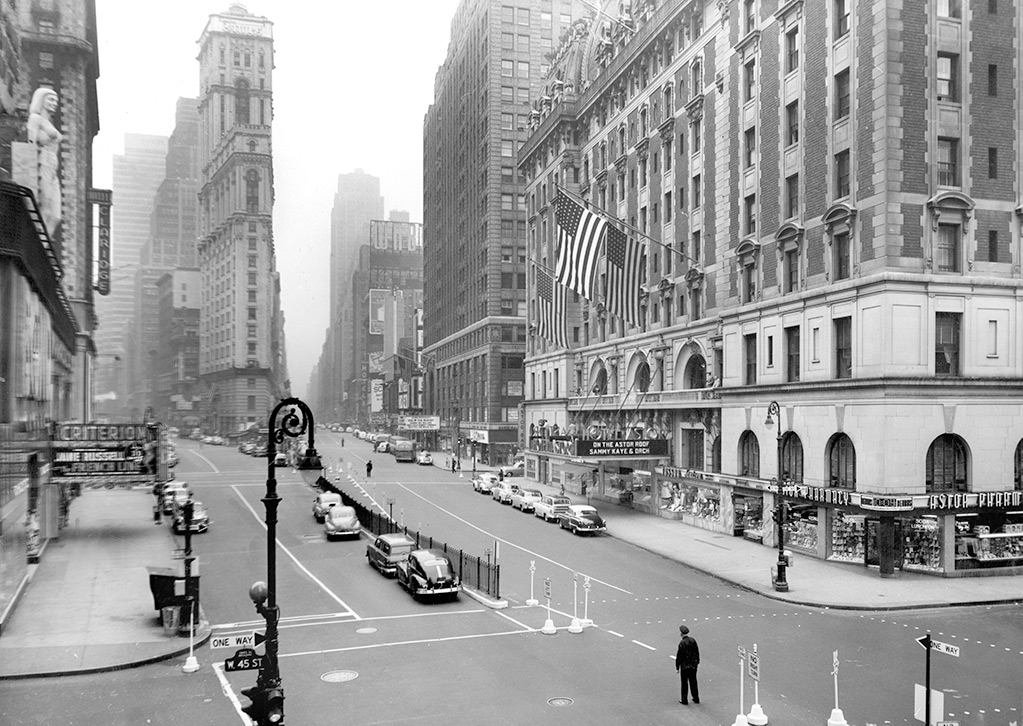
Times Square 

One of the many strengths of THE LINCOLN HIGHWAY is Towles knack of introducing new characters then delving into their personal stories.  Through their recounting we learn a great deal about America ranging from life in an orphanage in Nebraska, a youth facility in Kansas, Harlem neighborhoods, Manhattan to the Adirondacks. Towles has produced a sweeping book that is as much about literary history of the road novel as it is about one engaging journey.

Chris Bachelder is dead on in his November 7, 2021, New York Times  book review when he writes; At 600 pages, “The Lincoln Highway” is remarkably brisk, remarkably buoyant. Though dark shadows fall across its final chapters, the book is permeated with light, wit, youth. Many novels this size are telescopes, but this big book is a microscope, focused on a small sample of a vast whole. Towles has snipped off a minuscule strand of existence — 10 wayward days — and when we look through his lens we see that this brief interstice teems with stories, grand as legends.

THE BOODLESS BOY by Robert J. lloyd

(17th Century London)

Robert J. Lloyd’s first novel begins on New Year’s Day 1678.  The setting is London, a city still recovering from the Conflagration or Great Fire eleven years previous with the appearance of numerous true historical figures as well as many fictitious ones.  Charles II,  occupies the English throne and rumors abound concerning Catholic plots to assassinate him.  The title of the novel, THE BLOODLESS BOY is very apropos as the drama that hovers over the story surrounds the discovery of the body of a three year old boy near the Fleet River with wounds providing evidence that the boy had all of his blood drained from his body.  What makes matters worse is that as the plot evolves other bodies are found in a similar state.

The two most important protagonists are Robert Hooke and Henry Hunt.  Hooke is the Curator of Experiments of the Royal Society of London for Improving Natural Knowledge, Gresham’s Professor of Geometry, and Surveyor of London.  Hunt, a former protégé of Hooke’s, now on his own is an Observator of the Royal Society of London and both men have been tasked by Charles II and Sir Edmund Bury Godfrey, the Justice of the Peace for Westminster to assist in solving the murders.  Hooke is very reluctant fearing it will interfere in what he believes to be his greater work for the Society, and Hunt is more than willing to cooperate as he sees it as an avenue to emerge from under his former mentor’s shadow.

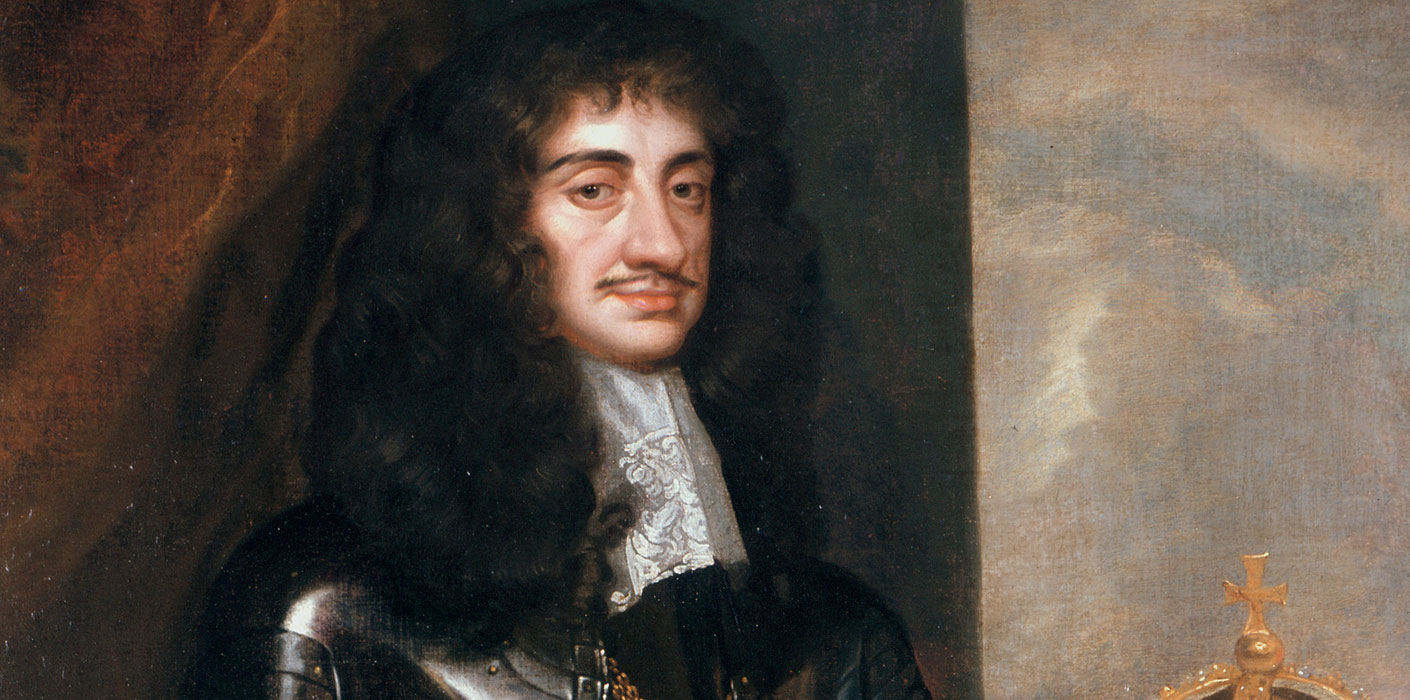
(Charles II, King of England)

Political intrigue and spies abound in the novel with the constant references to Popish plots against the government, assassination plans to remove Charles II, and a series of Ciphers that come into the possession of Hooke, Hunt, and others.  As the plot meanders slowly for a number of chapters Hooke is very concerned that the murders may lead back to the earlier English Civil War and Charles II escape to France.  Further, Lloyd expertly integrates the story of the Earl of Shaftsbury, the former Chancellor of the Exchequer, Lord Chancellor, and First Lord of Trade who upon writing a pamphlet arguing that the powers of the king should be restricted spends a year in the Tower of London until he expresses contrition for his beliefs.  Despite this expression his life centers around seeking revenge.  Another story that Lloyd weaves into the novel is that of Henry Oldenburg, Secretary of the Royal Society of London for the Improving of Natural Knowledge who commits suicide which Hooke and Hunt promise his widow to keep his cause of death a secret.  The question is clear, what do the murders, political machinations, and suicide have to do with one another?

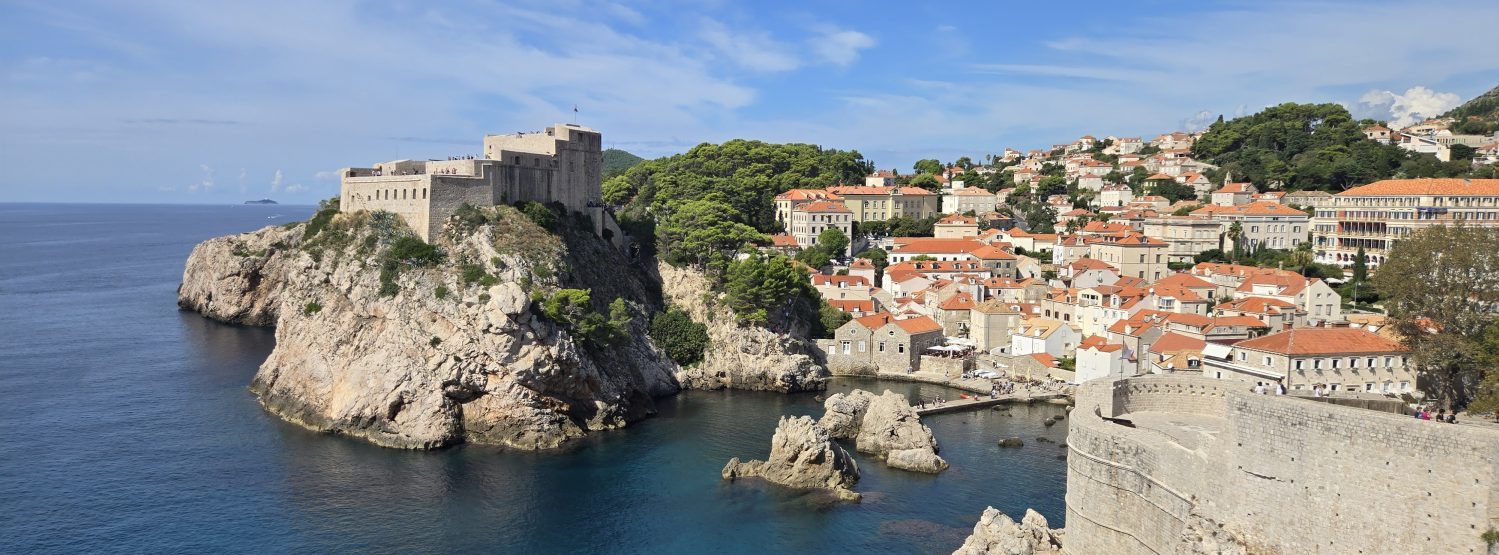
Lloyd possesses an excellent command of British history as is evidenced by his commentary centering on plots against the government, use of the views expressed by the historical figures he incorporates into his plot, and knowledge of natural philosophy and London and its environs.  Lloyd uses Hooke and Hunt who make up an odd couple to solve the murders and their interactions provide a useful guide into scientific, philosophical, and political knowledge of the day.  Lloyd’s descriptions of London as it existed after the devastating fire of 1666 which destroyed 13,200 houses, 87 Parish churches, The Royal Exchange, Guildhall, and St. Paul’s Cathedral are important as he reviews the architectural changes of the city focusing on older buildings that survived the fire, those that did not, and the newest structures that have been built or are under construction.

Source
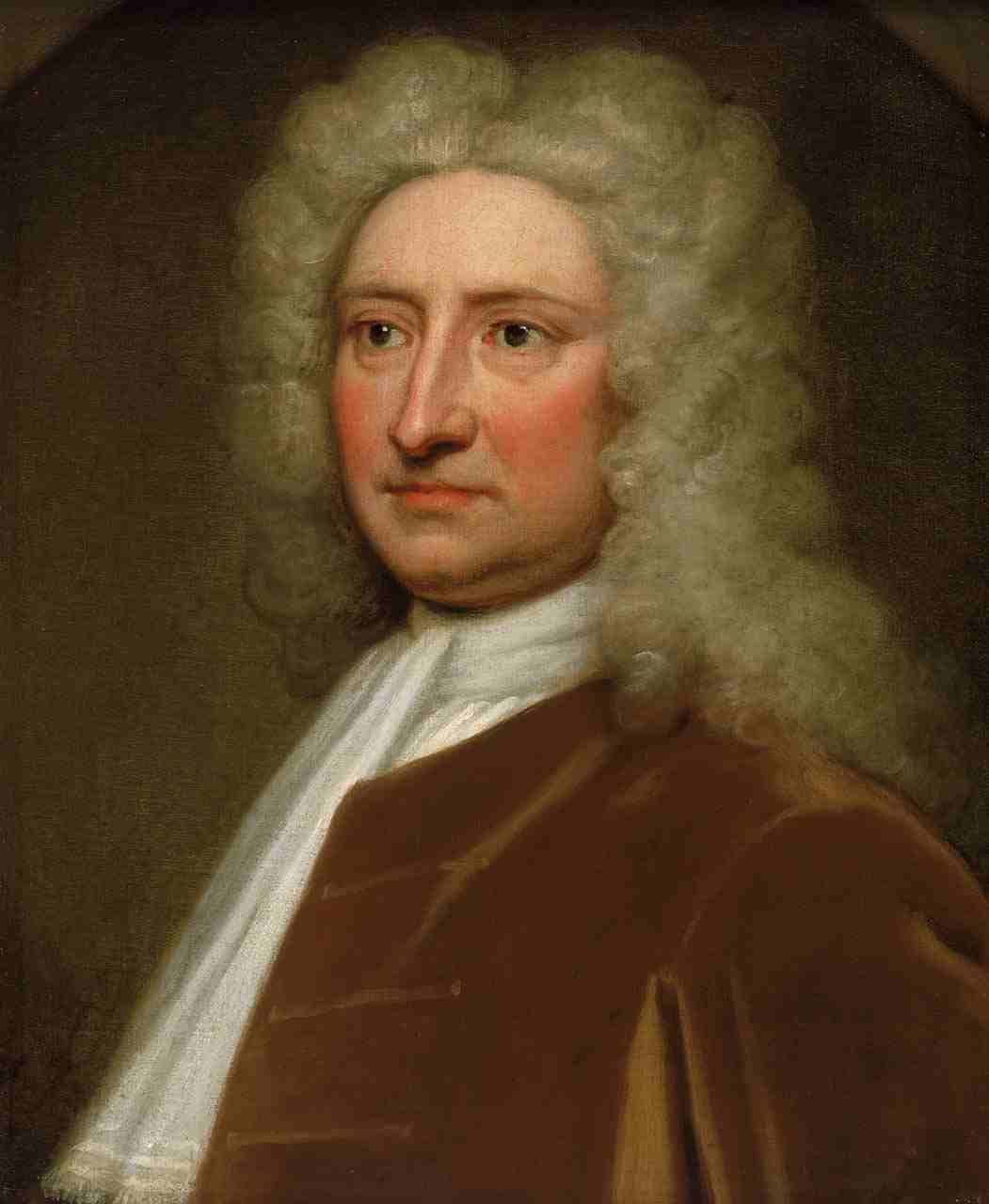
(Robert Hooke)

Lloyd’s use of late 17th century language and his attention to the smallest detail add authenticity to the dialogue and atmosphere reflected in the story.  Based on the author’s commitment to detail the reader can smell the leather tanneries, the smell of the food served in the taverns, and the snow and rain that was a staple for 17th century London. Lloyd captures the ambiance of the Scientific Revolution and coming Enlightenment with references to the works of Sir Isaac Newton, William Harvey, and the writings of Thomas Hobbes and John Locke, among others.

The construction of the plot passes through many layers as Lloyd builds the tension surrounding the many conspiracies, murders, political machinations, religion, and ciphers at the same time the distrust the characters have for each drips in each interaction.  The blend of fact and fiction make for an excellent historical mystery, and I hope to read Lloyd’s sequel which he is working on as soon as it is published.  Let me add one caveat, after reading THE BLOODLESS BOY you are sure to develop a different view of the Scientific Revolution.

Lambeth Palace in the foreground, with the Thames and the City to the north forming the background
(17th Century London)

THE VOLUNTEER by Salvatore Scibona

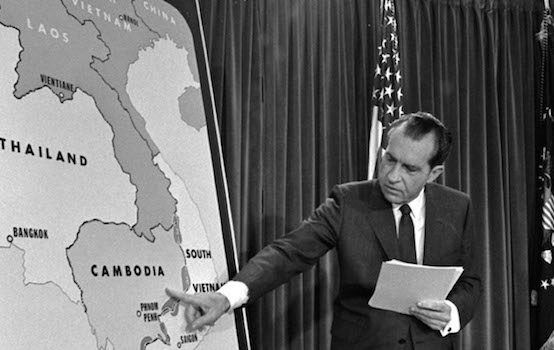
(Nixon makes the case for a U.S. invasion of Cambodia, April 29, 1970)

It is sometime in 2010 and a five year old boy has been abandoned at the Hamburg-Fuhlsbuttel International Airport.  So begins Salvatore Scibona’s second novel, THE VOLUNTEER a searing story that spans over forty years from the Vietnam War to the post- 9/11 Afghanistan encompassing four generations of fathers and sons that takes the reader from Latvia, Vietnam, Queens, New Mexico among many locations.  Once the boy is introduced wandering the airport as others try to determine his identity and story, Scibona introduces Elroy Heflin, a former convict who resorted to a myriad of lifestyles from stocking a grocery store, slinging heroine, sleeping in shelters and on the street to survive.  He was soon arrested and joined the army to get his life straight.  Later, he is assigned to the Office of Defense Cooperation attached to the American Embassy in Riga, Latvia.

Heflin will develop a relationship with a woman named Evija who upon becoming pregnant refuses Heflin’s offer to marry.  Five years later while serving in Afghanistan, paying one- third of his pay in child support he learns that Evija has abandoned their son Janis who he sees twice a year and wants him to take custody. Heflin will take Janis to the airport to catch a flight to London but decides to leave him in a toilet cubicle at the Hamburg airport before continuing on his way home.

Scibona is a master of shifting scenes from one character to the next.  In the first major instance he moves on from Heflin for about half the book and focuses on Mr. Tilly or Vollie Frade who was Heflin’s guardian until he had reached the age of eighteen.  In telling Vollie’s life story we learn that he too was an unwanted son, born to aging cattle ranchers outside of Davenport, IA and at the age of seventeen forged his parent’s signature and joined the Marines winding up in Vietnam.  Vollie is a complex character who is preoccupied with erasing his identity.  Throughout the novel there are scenes where he seems to be taking himself away.  For example, when he is a small boy his parents burn his clothes to prevent an outbreak of meningitis, for Vollie they are burning him.  During his tenure in the Marines, he finds himself captured in Cambodia, a mission the government says does not exist – then does he?  Later, during bouts of PTSD he again questions his existence.

(US soldiers burn a wooden structure in a village in eastern Cambodia in May 1970)

Scibona’s description of the war in Southeast Asia is reminiscent of the works of Dennis Johnson, Karl Marlantes, Michael Herr, and Tim O’Brien.  It is raw in conception digging deeply into the stupidity of the American role in Vietnam.  The scenes described as Vollie acts as a “Santa Claus” type of character driving in a convoy distributing mail, supplies, and anything else needed to the front lines reflects the absurdity of war.  The discussion surrounding the US invasion of Cambodia and what occurs has a “Apocalypse Now” type of reality as do other scenes in the novel, particularly after he returns from Vietnam and Vollie finds himself ensconced in Queens, NY conducting a spy mission on a Social Security swindler who may turn out to be a Nazi fugitive.

Intergenerational misery dominates the plot as we move from place to place.  A priest trying to crack the mysteries of Janis’ birth in Germany, a commune in Nevada and on and on.  This is a very difficult novel to follow.  At times it feels as if you are reading a Kurt Vonnegut novel taking place in Cloud Cuckoo Land.  Despite a number of difficulties there are a number of portrayals of America that are priceless.  The 1973 description of Queens, NY is priceless from the stoops, woman in house dresses, pickup basketball, church fellowship etc. Scibona has captured the neighborhood perfectly and this goes along with  his striking social commentary.

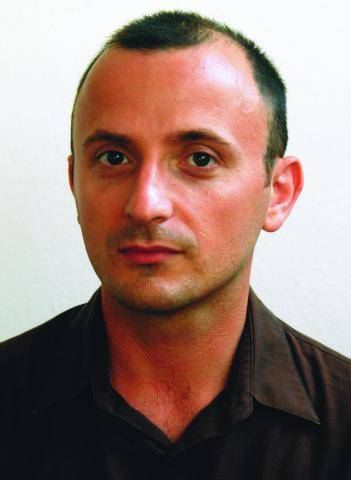
(Salvatore Scibona)

The characters are lost in their own worlds especially Vollie whose view of life is one who is disappointed in himself and life in general as moving from one lie to another no matter how honest some appeared to be.  Lorch, the spy handler’s quoting of scripture really plays no purpose, but he seems to do so each time he appears.  Louisa, like Vollie is saddled with the burdens of the past as she cares for a baby out of a commune that practiced free love.  Elroy, as he matures, like Vollie he replays scenes of a boyhood of abandonment.

The phrase that captures the essence of the novel is Vollie thinking about how “am I nobody from nowhere” as he and other characters try to maneuver in lives that do not turn out the way they want.  The concept of identity appears repeatedly – for Vollie does he have one since he tries to cut himself off from everyone and everything. 

To Scibona‘s credit his descriptions are often entertaining, but also sarcastic and draining.  He has a keen eye for detail and many of his scenes seem similar to other works of literature and film.  Overall, it was a difficult book to read, and I would only recommend it for someone who has a great deal of time to devote to understanding what the author is trying to say and enjoys a dark story that can be very painful.

(President Nixon announces the entry of US troops into Cambodia)

THE HISTORIANS by Cecilia Ekback

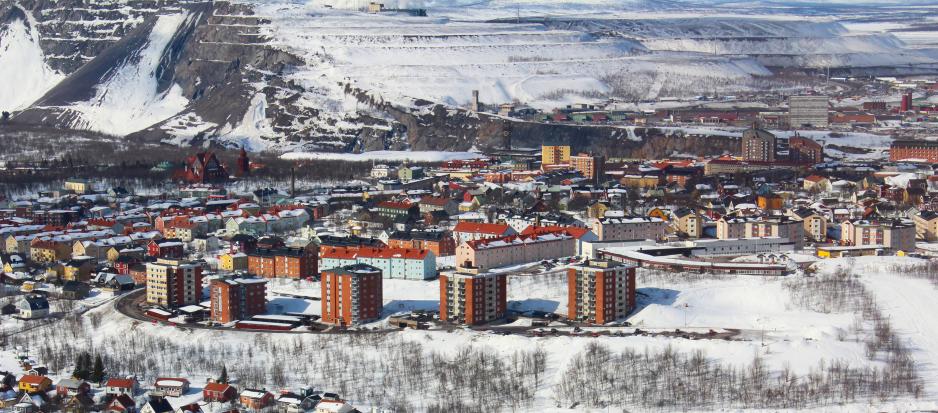
(Kiruna mine from which the novel is based upon)

Swedish born author Cecilia Ekback has written a very complex and believable novel that focuses on the possibilities of a Scandinavian Reich that could have emerged during the Second World War.  At a time in the publishing world when there is no shortage of World War II based historical fiction, Ekback’s new book THE HISTORIANS stands out for its character and plot development and the creation of a scenario that is quite credible.

Set in Sweden during World War II the book reintroduces that country’s controversial role during the conflict.  Claiming neutrality, the Stockholm government accommodated the Nazi regime by allowing the passage of over two million German soldiers through Sweden.  Further, Swedish iron ore shipped to the Berlin regime was critical for Nazi wartime production of steel, and lastly Swedish railroads allowed the transport of the German 163rd infantry division with its equipment to pass from Norway to Finland.  It was only after 1944 with the German war effort heading for defeat did Sweden share military intelligence and allow the allies to use Swedish airbases.  Hardly the actions of a country that could be relied upon during war.

The book opens in 1943 with the Nazi regime pressuring Sweden to increase its supply of iron ore.  Laura Dahlgren, part of the Swedish trade delegation negotiating iron ore access with the Germans discovers the body of Britta Hallberg, a former classmate at Uppsala University and a member of a close knit group of five friends, tortured and murdered.  It seems that Britta had become a “sparrow” or Swedish spy whose job was to get close to German diplomats, but was also finalizing her university thesis entitled, “Nordic Relations Through the Ages: Denmark, Norway and Sweden on a New Path”  which was delivered to Jens Regnell, Secretary to the Minister of Foreign Affairs after her death.  The question was why the thesis was delivered to Regnell, and did her research have anything to do with her murder.

The Royal Swedish Ministry of Foreign Affairs

As Ekback develops her dramatic plot another death takes place that of Daniel Jonsson, an archivist at the Swedish Foreign Ministry.  First it seemed a suicide, but as evidence accumulated it was clear it was murder.  When a bomb goes off in Dahlgren’s apartment it is clear that anyone who investigates Swedish racial policy is a threat and are in danger.

The core of the plot revolves around a meeting that took place in 1914.  Referred to as the “The Three Kings Meeting” it was made up of monarchs and foreign ministers of Denmark, Norway, and Sweden.  They discussed the possibility of the creation of a Scandinavian Reich under one strong leader based on the supremacy of the Nordic race.  A committee was created to study the feasibility of the concept.  By 1939 a second meeting was held and the program was formally shut down, but in reality the ideas related to a new Reich remained to be implemented by powerful forces within the Swedish bureaucracy and body politick to not only carry out the unification of the governments involved but also to ethnically cleanse and eliminate the Sami, an indigenous people who lived in the northern part of the Scandinavian peninsula as well as parts of Norway, Finland, and Russia.  It is estimated they numbered between 50,000 and 100,000.

As Dahlgren and Regnell investigated they learned that it was possible that certain elements were conducting human experiments on the Sami, with many people disappearing from the Blackasen Mountain area where iron ore was mined.

An image posted by the author.
(the author)

An interesting component to Ekback’s novel is how she integrates Nordic myths and symbols into the plot.  The vehicle she chooses is the unlikely friendships among Dahlgren, Britta Hallberg, Erik who was a hothead and a fool in many ways, Matti, who seemed sober, totally focused on his job for Finland, and Karl-Erik, who seemed to be the brightest during their debates while at the university.  During these discussions Sweden’s racial policy emerges, and after Britta is murdered they grapple with how best to discover what happened to her and why.  When the remaining four try to find the underlying cause of what is going on, unimaginable things occur.

As Ekback develops her novel a number of important questions emerge.  First, were members of the State Institute for Racial Biology conducting experiments on the back side of the Blackasen mountain?  Second, was there an actual plot to create a Scandinavian Reich and purify the “lesser” Nordic types?  Third, why were authorities who investigated Britta’s murder being stymied?  Fourth, who were the people who were trying to create the new Reich?  Lastly, do these elements still exist in Swedish society?

Ekback’s approach in creating her story was to start slowly introducing a myriad of characters that at times is difficult for the reader to digest.  As she moves along her storyline develops momentum as the reader begins to wonder if this type of scenario was actually feasible.  Every author of historical fiction faces the dilemma as to how far from “historical truth” they can deviate from and not lose their readers.  Ekback takes the reader right up to the line between truth and fiction and fashions a searing novel that may be speculative in nature but in the end is quite satisfying and sheds light on Sweden, whose machinations during World War II are part of the historical record as certain individuals dallied with “Nazi leanings.”  Ekback has authored a blistering novel, once you get past the early development of the plot, it will be difficult to put down.

(Kiruna mine, which the novel is based on)

BROOKLYN by Colm Toibin

I will begin with a confession – I have never read a Colm Toibin novel until now.  After reading a review of his new novel, THE MAGICIAN, I thought it was time to introduce myself to such an exceptional novelist.  I went to my card catalogue, another confession I have a personal library of over 7500 volumes, and found I owned one of Toibin’s earlier efforts, BROOKLYN.  Since I grew up in that New York borough in the 1950s and 60s it was karma. 

BROOKLYN reflects Toibin’s mastery of fiction and is the work of a superior writer.  Beginning in Enniscorthy, in Ireland’s County Wexford in 1951, Eilis Lacey, a bookkeeper who lived with her mother and sister is offered a part time job in Miss Kelly’s grocery store which she accepts because of the lack of other opportunities. Soon, Father Flood, a priest whose parish in Brooklyn appears regaling Eilis of employment opportunities for bookkeepers in New York City.  Flood will arrange for Eilis to work at Bartocci and Company located on Fulton Street in Brooklyn along with passage to America and a room at Mrs. Kehoe’s boarding house.  Eilis realized this was quite an opportunity but felt guilty about leaving her mother and sister.  She will ignore her feelings of guilt and depart for a new life in America, not realizing that behind the scenes her sister Rosa had pushed for this move that would afford her sister greater opportunities.

Toibin easily conveys the ambience of living in Enniscorthy and Brooklyn in the post war world.  The author is sensitive to the difficulties that a young single girl faces when she tries to adapt to a new culture and the problems that arise.  His writing style offers an intimacy with his characters that enhances the reader’s experience.  There is a softness and imperceptibility with his phrasing that makes the novel flow, but it does not take away from the deep emotions that are portrayed. 

File:Main Street, Wexford. (15766237904).jpg
(Ireland’s County Wexford)

What sets Toibin’s writing apart is his ability as a male writer to understand and present the mind set and feelings of female characters – even insights into what life was like for a single Irish girl just arriving in America.  Eilis’ concerns are presented in a thoughtful and private manner that reflects insights into her character and the crisis of confidence that she regularly experiences.

Toibin is very careful to lay out social class differences throughout the novel.  First, in dealing with how the Irish are perceived on the ocean liner crossing the Atlantic.  Second, the commentary exhibited by the young women in Mrs. Kehoe’s boarding house reflected by remarks centering around the “negro” clientele that were beginning to shop at Bartocci’s department store.  Third, the juxtaposition of Italian and Irish families in Brooklyn through their language and cultural mores – a case in point is Italian family life in the Bensonhurst, Brooklyn which the author conveys with the accuracy to a reader who grew up in this neighborhood. 

The novel presents a series of highs and lows which make up the human experience.  Relationships, joy, death, and sadness are all present in Toibin’s easy pace that makes reading BROOKLYN feel as if you are gliding over each page.  When Eilis seems to have finally adjusted to life in Brooklyn attending night courses in accounting at Brooklyn College, working during the day, and developing a wonderful relationship with Antonio Giuseppe Fiorello all seems well.  Unexpectedly, Father Flood delivers the news that Eilis’ sister Rosa has died, and she must return to Ireland for a visit.  What occurs on that visit may overturn the peace and happiness that she has finally found in America.

Eilis is a simple girl bordering on womanhood who Toibin presents with sustained “subtlety and touching respect.  He shows no condescension for Eilis’ passivity but records her cautious adventures matter-of-factly, as if she were writing them herself in a journal.”*  This is a wonderful story about what it is to have a home and the ability of different locations to assert themselves over an individual.

Reading a novel by Colm Toibin has been a pleasure and I will certainly pick up THE MAGICIAN, his latest work, a historical novel about the German writer Thomas Mann.

  • Liesi Schillinger, “The Reluctant Emigrant,” New York Times, May 1, 2009.
86th St - Bensonhurst Brooklyn NY Old Vintage Photos and Images
(Bensonhurst, Brooklyn NY 1951)

ARCHANGEL by Robert Harris

The eBay seller of this “perfect condition” Stalin statue says it was auctioned off by the Czech town of Litomerice “many years ago.”
(Stalin Statue)

It is obvious that Robert Harris is one of the best purveyors of historical fiction who can be found on the shelves of any bookstore.  Whether exploring the Munich Conference, the German missile campaign during World War II, a trilogy that explores the struggle for power in ancient Rome, the machinations of a Papal conclave, or the Dreyfus Affair are among his fourteen bestselling novels.  The depth and varied subjects of his writing reflect the breadth of historical knowledge and his commitment to producing historical fiction that is readable and interesting for everyone while creating stories that are made up of actual events and characters among those that he develops as his plots evolve.

I decided to return to one of Harris’ earlier books, ARCHANGEL a story that centers on the possibility that Joseph Stalin may have prepared a notebook with a number of fascinating commentaries.  The story begins with the death of Stalin early in the morning of March 3, 1953, and the gathering of the Soviet leadership who are trying to decide what to do about his death and succession.  Immediately, Harris shifts his focus to a conversation between Papu Gerasimoch Rapava, a guard in the compound where Stalin died who had access to his body and the “notebook,” and Fluke Kelso a former Oxford professor who gave up his academic position to move to New York and concentrate on his writing.  The conversation takes place four decades after Stalin’s death with Kelso plying Rapava with alcohol as he tried to gain access and knowledge of the missing notebook.

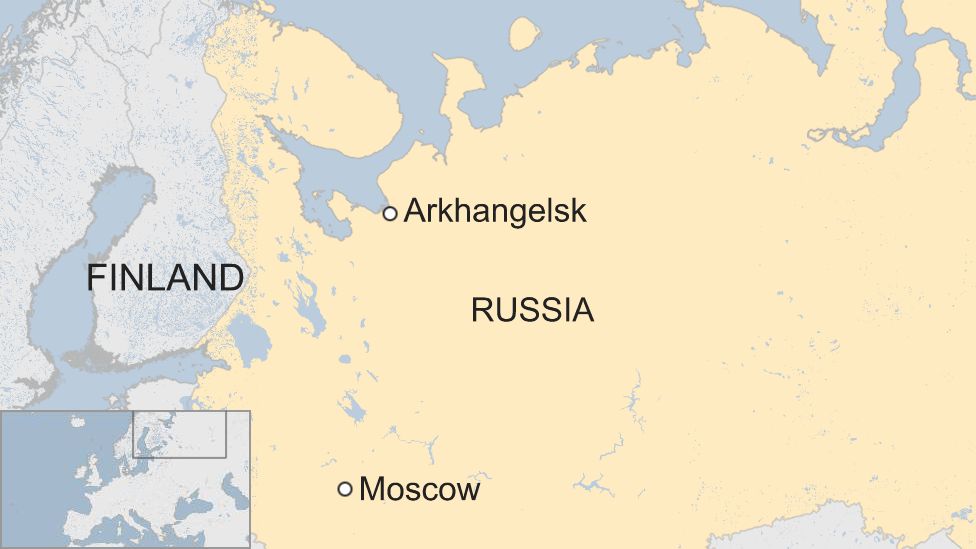
Map of Russia and Arkhangelsk

Harris has firm control of historical events and offers keen insights into the motivation and actions of key personalities.  A case in point is his treatment of KGB head Lavrenty Beria who was convinced he was next in line to replace Stalin as leader of the Soviet state.  In actuality he had rubbed Malenkov, Zhukov, Khrushchev, and company the wrong way and was dead within three months of Stalin’s passing.  Soon Rapava becomes a KGB target as he is suspected of possessing the “notebook,” and Harris details his torture, imprisonment in the Gulag for fifteen years, and his survival.  It is interesting how Harris portrays the “new” Russia of the 1990s through Rapava’s eyes once he is released from prison.  His shock at the changes that have taken place in Moscow where remnants of Stalin have been removed along with other observations of his country as it becomes an oligarchy of wealth under Boris Yeltsin and later  Vladimir Putin.

Kelso finds himself in Russia at a historical conference at the Institute of Marxism-Leninism which was attended by Rapava.  Kelso will meet the Russian and try to uncover truths about Stalin.  Frank Adelman another historian believes that Rapava is setting Kelso up to gain money and that his fellow historian is too bent on journalism and publicity as opposed to meaningful  history.

Harris paints a damning portrait of Moscow in the late 1990s with dust and soot in the air, frozen puddles, sullen people, among many negative characteristics. .  Harris is able to integrate historical treatises to his plot reflecting his knowledge of Russian historiography and a wonderful description of the Lenin Library and the Central Library of the Russian Federation.

Kelso is  described by Adelman as “a fattening and hungover middle aged historian in a black corduroy suit,”a damning appraisal of the former Oxford historian.  Kelso’s circle of acquaintances includes Vladimir Mamantov, a former KGB operative who remains a true Stalinist and wants to protect Stalin’s memory and wants to find the “notebook,” and use it as a means of returning Stalinism to power in Russia. Through Mamantov Harris portrays the remaining Stalinist enclave in Russian society who still admire Stalin, and the fact that the former KGB agent was arrested in 1991 in the plot to overthrow Mikhail Gorbachev tells a great deal.  It seems Rapava has a daughter, Zinaida who gives the “notebook” to Kelso and a Satellite News reporter named O’Brian.  Further it appears Stalin may have had are relationship with Zinaida’s mother Anna Safanova, a house cleaner who may have produced a son, an heir to Stalin.

Arkhangelsk, Russia from above, photo 1

(Cathedral of the Archangel Michael)

As Harris weaves his web the novel centers on the quest for the notebook that involves a Russian SVR agent, Feliks Suvorin who tracks Kelso and O’Brian to the north country and a run in with “Stalin’s possible heir,” that may not end well. The northern city is Archangel which remains a hotbed of Stalinism and produces a perilous adventure for all concerned as the SVR and Spetsnaz soldiers may have met their match with the son of Stalin. 

As Harris continues his web he makes a number of important historical observations the most important of which focuses on Russian workers and peasants, who under the Tsar had nothing while the nobility owned the country.  Later the workers and peasants owned nothing, and the Party owned the country.  Later, the workers and peasants still owned nothing, and the country’s is owned as usual, “by whoever has the biggest fists.”  Today it is the oligarchs and Putin.

Harris’ plot line is farfetched, but it does lend itself to an interesting story leading the reader on to learn what the truth is and if the “notebook” actually is meaningful and what makes so many people willing to kill to acquire it.  A dominant theme that Harris develops is the memory of Stalin among the Russian people.  He remains quite popular as historically Russia has always had a father/Tsarist type leader who was tolerated as  all knowing.  Then came Lenin, Stalin, the Brezhnev types, and now Putin, all with similar autocratic tendencies. 

Though I would not call Archangel one of Harris’ best novels it is worth the read because of its subject matter and the author’s commentary on what Russia has become or still remains.

(Stalin Statue)