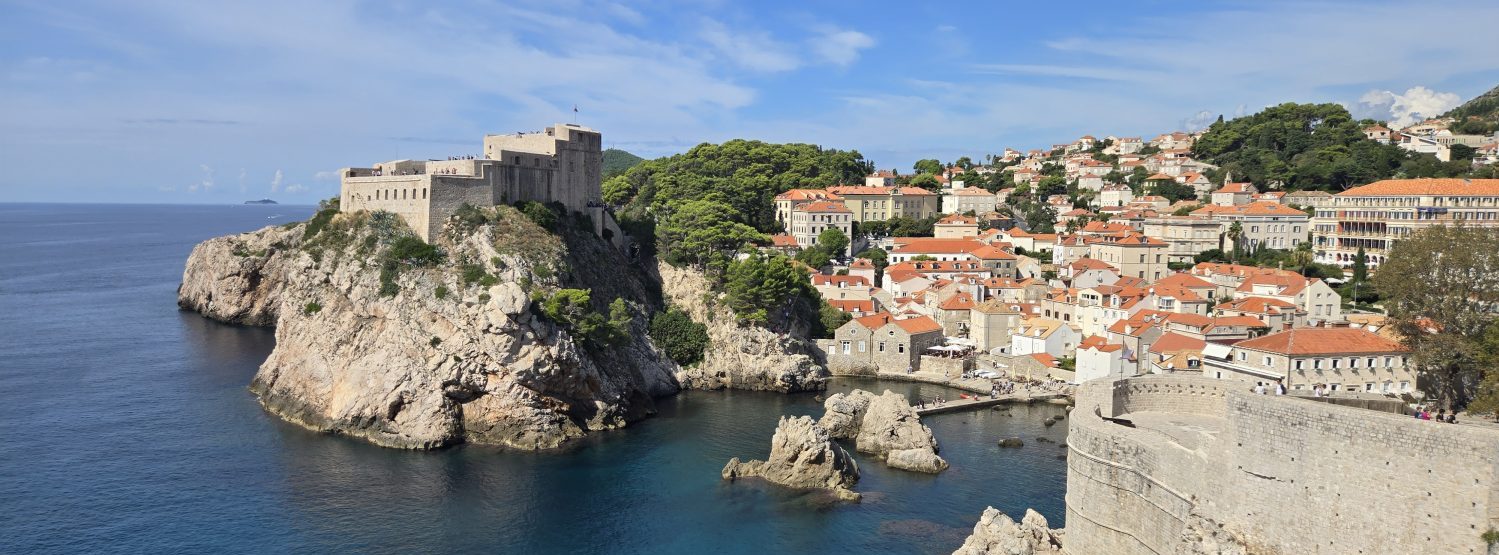

(Durham Point, New Hampshire)
At a time when AI companies are trying to build large data centers across the United States against the wishes of local populations it is interesting to examine previous attempts by corporate entities to force their will on local communities. One such example forms the core of David W. Moore’s wonderful book entitled SMALL TOWN BIG OIL: THE UNTOLD STORY OF THE WOMEN WHO TOOK ON THE RICHEST MAN IN THE WORLD – AND WON.
The story revolves around oil shipping magnate Aristotle Onassis, the richest man in the world in the early 1970s attempting to build an oil refinery off the coast of New Hampshire, near the University of New Hampshire at Durham Point. The project would have created the largest oil refinery in the world however three women led the opposition to its construction who feared it would create an industrial wasteland along their state’s eighteen mile coastline. The three women – Nancy Sandberg, the founder of “Save Our Shores,” Dudley Dudley, a first year State Representative, and Phyllis Bennett, the publisher of a local newspaper. They were opposed by Governor Meldrim Thomson; William Loeb, the publisher of the only statewide newspaper, the Manchester Union Leader; and the various representatives of Olympic Refinery owned by Onassis. The stakes in this battle rested on preventing the construction of a large industrial project in the Great Bay and Seacoast region, with the battle centering on environmental preservation and New Hampshire’s tradition of local self-determination.
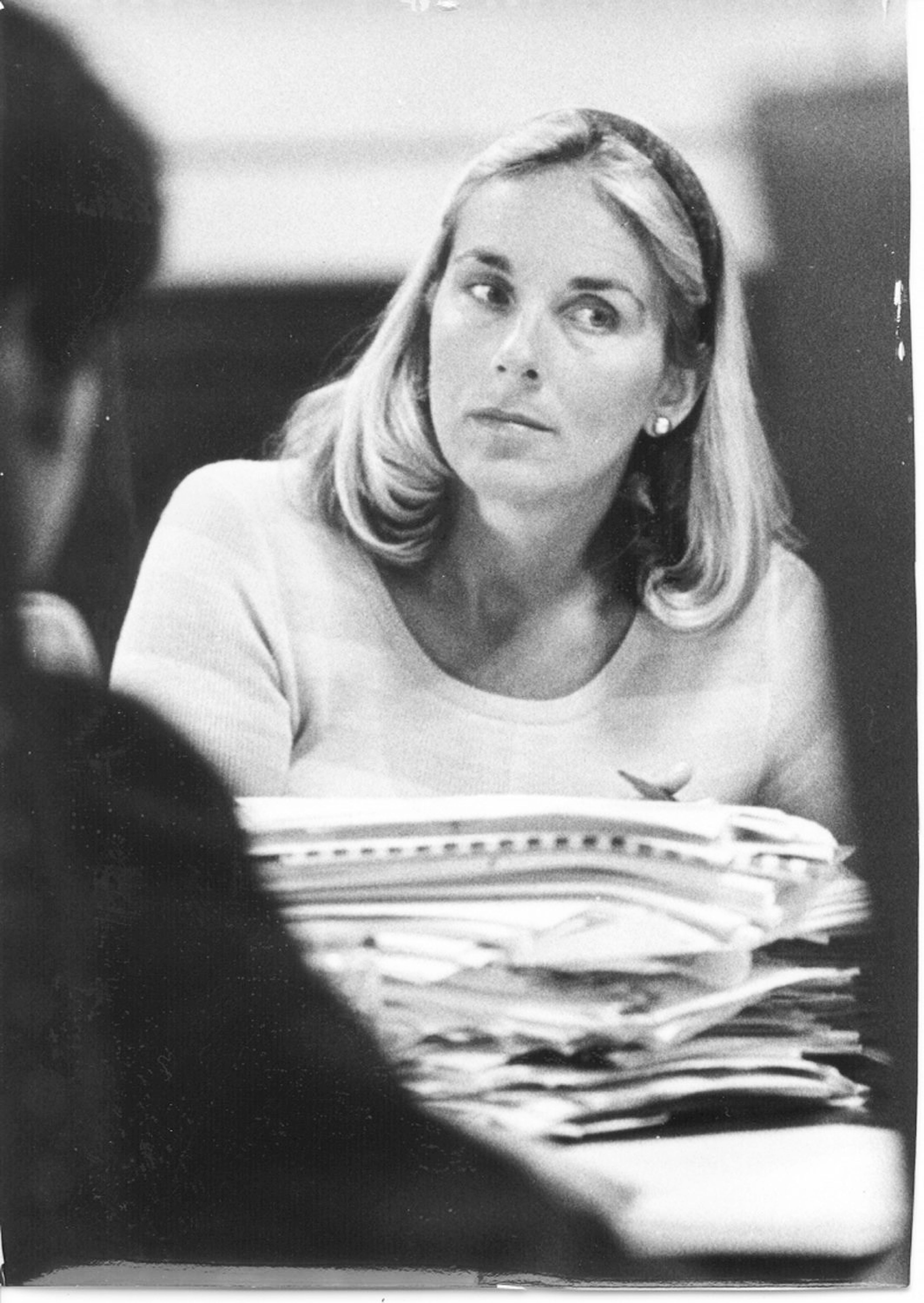
(Dudley Dudley)
The book is a well written reconstruction of the will of local people to stand up to what they perceived to be a threat to their way of life. A key factor in the story was the role and structure of New Hampshire’s form of government where local towns held annual meetings which made key decisions ranging from taxes, school budgets, zoning, and economic improvements. Believing that the governor and legislature supported the project Onassis and his people would be surprised by the role the Town of Durham would play in the process.
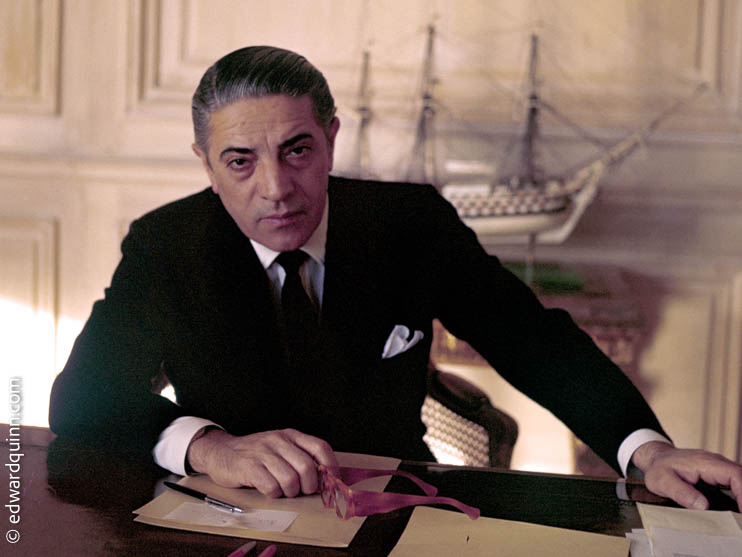
(Aristotle Onassis at his office at Olympic Maritime in Monte Carlo).
Moore carefully lays out the duplicity that Onassis’ minions engaged in from the outset. The monograph begins as Onassis’ representatives tried to buy farmland and homesteads from local residents as a preventative strike to obtain ownership of land which the refinery and its infrastructure would necessitate. Deception, dishonesty, and outright lies convinced some to sell, but most saw through the fabrications and refused. At the outset there was no company, but soon Onassis would create Olympic Refinery to put a face on the project. At first, the endeavor would split the community as the episode took place in 1973-74 as the United States was undergoing an energy crisis as a result of the Yom Kippur War in the Middle East. After Egypt and Syria attacked Israel in October 1973 a twenty-one day war resulted which saw the Nixon administration rearm Israel resulting in the implementation of an oil embargo by the Organization of Oil Exporting Countries (OPEC). This resulted in a spike of gasoline prices of about 300% as well as a massive increase in heating oil prices. There were many who believed the Olympics’ promises that a new refinery would lower the prices of oil products and give New Hampshire residents a guaranteed supply of energy, lower tax rates due to increased tax revenues, and other benefits.

(William Loeb in 1974)
As Moore plays out the controversy he zeroes in on Governor Thomson who was adamant that the refinery would be built and presented as many obstacles to the opposition as he could. He was allied with Loeb who used his newspaper the Manchester Union Leader and personal influence to destroy anyone who did not go along with the project. Moore integrates numerous editorials and articles, and it was clear that Loeb was running the state from Manchester, not Thomson from Concord. Arrayed against Thomson and Loeb were Nancy Sandberg whose SOS organization rallied the opposition conducting meetings, recruiting economic and environmental experts, and putting holes in the lies, myths, and the lack of honesty on the part of Olympic. Dudley Dudley worked within the legislature introducing bills to block the refinery, resting her case on New Hampshire’s tradition of Home Rule which Thomson did his best to circumvent. Lastly, Phyllis Bennett who led the local newspaper Publik Occurrences which kept the public abreast of Olympics tactics and provided accurate information as to the damage an oil spill from a refinery could cause to the environment, the economic damage to the fishing industry and tourism, and the overall quality of life. This crusade would cost Bennett her marriage.
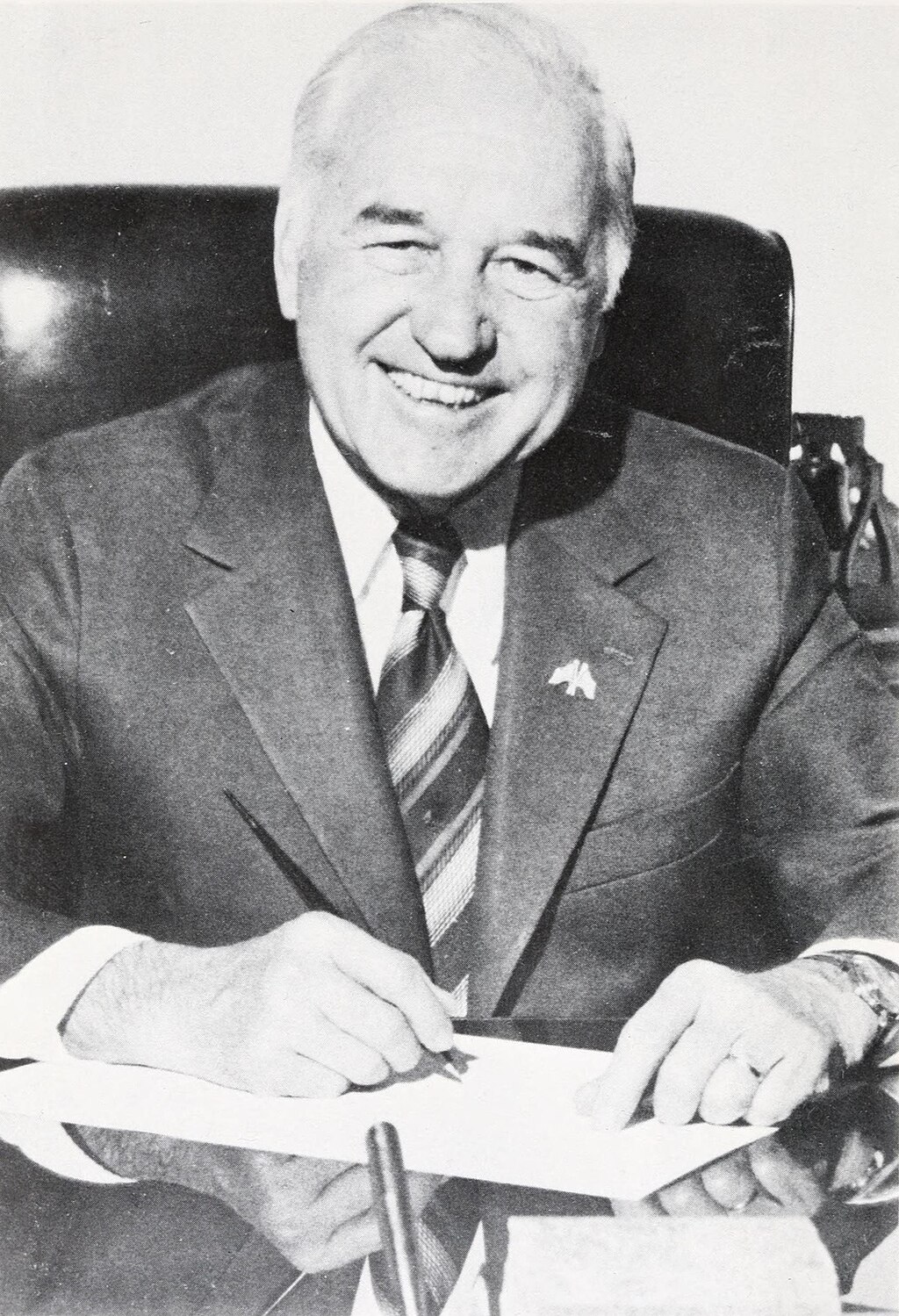
(Governor Mildrem Thomson)
As a resident of the Seacoast area, I found Moore’s examination of the environmental aspects of the Greek conspiracy especially disconcerting. Olympics’ plan was to build a massive refinery in Durham, then would ship massive amounts of his product to the Isles of Shoals, pump it from that depot underwater in a 15 mile pipeline to Rye and from there another 20 miles to Durham Point, hard by the Great Bay. The impact on the Island of Shoals, Star Island, Durham Point and the entire Piscataqua River region and its offshoots would not be as beautiful today without the work of the three ladies and their cohorts in the early 1970s.
Moore’s research highlighted by interviews with the participants creates an atmosphere where the reader can feel that he or she is part of the story makes the monograph exceptional and if you have never heard of this episode it would be well worth your while to become acquainted with it. If you are a fan of “Erin Brockovich” or “Silkwood” you will especially enjoy Moore’s work. The tactics employed by Olympic and its “Greek Mafia” and its cabal were scurrilous as their fear mongering, its manipulation of state government, and side deals all came to naught.

(Adam’s Point, Great Bay, New Hampshire)

