(The troops of General Bredov entering Kiev at Sophia Square, 31 August 1919)
In the first volume of his Samson Kolechko series entitled THE SILVER BONE, award winning historical novelist Andrey Kurkov begins his story with a horrifying scene where Kolechko’s father is murdered, and Kolechko himself has his ear sliced off with a saber by marauding Cossacks. Kurkov’s novel is set in post-World War I Ukraine in the city of Kyiv as the fighting for control of Russia after the “revolution” continues into 1919. The death of Kolechko’s father follows the deaths of his mother and sister leaving him an orphan.
The novel accurately portrays a city of 500,000 who live in fear and poverty and are afraid to walk the streets. Remnants of the White Army and other factions opposed to the Bolsheviks threaten the city as the Red Army tries to gain control of the streets. The Red Army is requisitioning any private property they feel will enhance the revolution and people have nowhere to turn. Peasants are forced to enlist in the Red Army, and it is difficult to understand how certain characters believe in the tenants of the revolution. Enters the hero of the novel, Samson Kolechko, grieving because of the loss of his father he wanders the city and ensconces himself in his flat grieving the loss of his family. Samson is an electrical engineering student in need of a job and stumbles into a police station after soldiers requisition his father’s sacred desk. In an absurd scene he is recruited as a detective by Comrade Nayden, a sleep deprived Commissar because of his writing talent, but again very little makes sense in1919 Kyiv as Kurkov’s Vonnegut Esque approach to storytelling is wonderful enhanced by his by the author’s knowledge of Ukrainian history and detailed knowledge of the city’s streets. Nayden hires Samson because he believes he supports the Socialist cause – the new worker’s state and he seems committed to outlawing disorder.
Samson is upset as two Red Army soldiers have absconded with his flat and he is forced to live with them. He has placed his severed ear in a metal box which continues to hear and is located in the room where Anton and Fydor, the soldiers are sleeping. The ear plays a major role in the story as it is used as a superb intelligence device! Samson learns that the two soldiers are preparing to desert and informs Comrade Nayden about enhancing his reputation. Samson will stumble into a world of murder and intrigue as he discovers a wider conspiracy involving a mysterious foreigner and a silver bone.
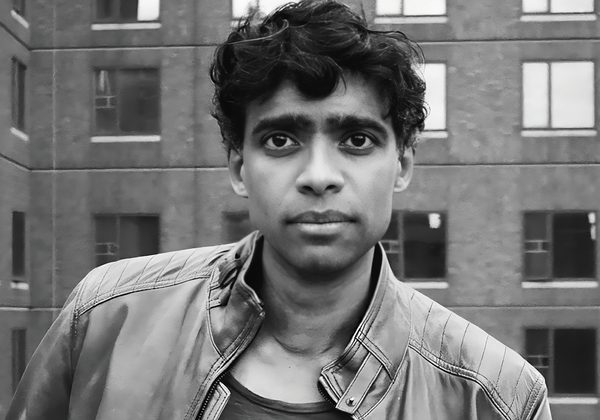
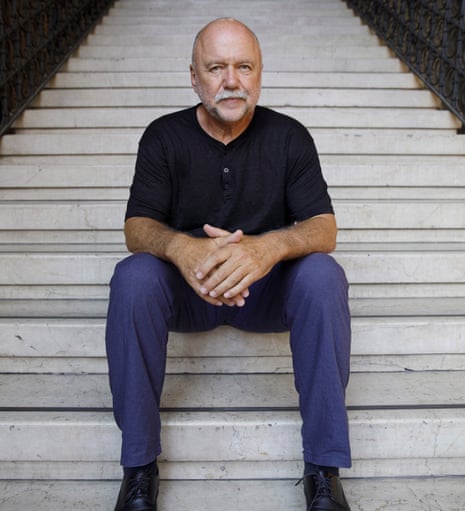
(Author, Andrey Kurkov)
The elements of an authoritarian regime are on full display as individuals must produce identification documents at will and one could not question the state. In this tense atmosphere Samson investigates a theft that evolves into the pursuit of a murderer who kills a police colleague named Semyon Glukhov, and Friedrich Balzer, a tailor, who also almost kills him. He is aided in solving this crime by Nadezhda Trofimovna, who works in the census office providing a glimpse into the Bolshevik bureaucracy. Soon Nadezhda moves into Samson’s flat, though at first their relationship is quite platonic.
Samson and other characters live in a barter economy that involves frequent blackouts caused by the theft of firewood that fuels Kyiv’s power plant. The city also suffers from food and water shortages leading to a great deal of crime.
Kurkov has authored an atmospheric novel in a droll style which exhibits a great deal of dark humor at the same time Samson battles personal tragedy and a corrupt system as he navigates being an inexperienced detective. At the same time Samson must deal with two important cases. First, arresting Anton and Fydor, the Red Army soldiers and trying to ascertain their link to his second and more important case of locating the killer of Balzer, the tailor, and Semyon, his colleague.
The author is a wonderful storyteller who based his novel on Bolshevik secret archives. These traits are expressed through a series of playful, and at times serious scenes. One of my favorites is at the dinner table in Samson’s flat as Nadezhda has moved in and her parents led by her irrepressible father, Trofim Sigismundovich questions Samson’s intentions. Kurkov employs extreme sarcasm as the conversation shifts to the techniques involved in gathering census material-who knew census taking could be so funny!
There are a number of important characters on display in the novel and each impacts the eventual conclusion. Comrade Nayden provides insight into the bureaucratic nature of Soviet police work. Sergius Kholodny, a priest turned policeman offers commentary about the existence of god. Nestor Ivanovich, a retired police fingerprinting expert. Luc Jeanovich Jacobsen, Balzer’s roommate, is in search of a doctor to transform his ruined leg. Vera Ignatyevna Gedroits, a doctor in the male dominated Soviet medical system. Dr. Nikolay Nikolaevich Vatrokhin who treated Samson’s loss of an ear and provides a great deal of advice throughout.
The novel is expertly translated by Boris Dralyuk, a fellow Ukrainian like the author who returned to Ukraine having escaped Putin’s invasion to fight the authoritarian Russian autocrat. As one reads the novel you should keep in mind that the story takes place in a country which has amazing similarities and relevance to our contemporary world. The Ukraine of 1919 was fighting off the yoke of the Red Army, and though the country achieved its independence in 1991, today it is confronted by the Russian Army as Putin tries to recreate the boundaries of the former Soviet Union. In both cases people clamor for a normal existence, but war and a tyrant’s ego must be overcome first.
(Leon Trotsky inspects units of the Red Army in Kyiv, which was occupied by the Russian Bolsheviks, June 1919.)
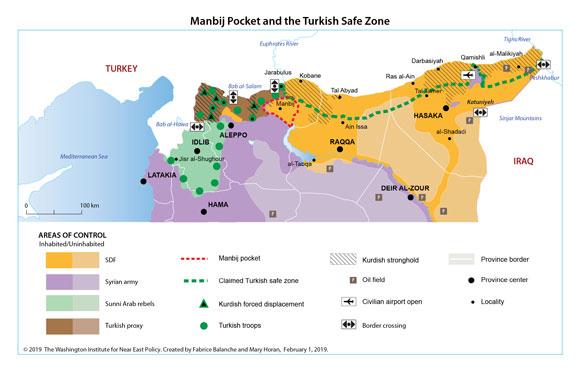
(Turkish-backed Syrian rebels stand on the back of a truck at Manbij countryside, December 29, 2018. Turkey-backed rebels have been mobilizing for an attack on Manbij in nearby areas that have been under Turkey’s control since it swept into northern Syria in 2016, part of its effort to roll back the YPG).
Syria is a country that has been at war with itself for almost fifteen years. It survived the Assad family which ruled Syria for more than five decades. Hafez al-Assad seized power in a 1970 military coup, creating a brutal, authoritarian regime. Following his death in 2000, his son Bashar al-Assad assumed the presidency. Bashar, who was educated in England raised hopes that his reign would be more liberal than his father. But that was not to be. He callous rule would foster the brutal suppression of the 2011 protests which triggered a civil war. This resulted in a government that sought to retain power at any cost and committing incalculable atrocities against its own people including the use of chemical weapons. There were a number of rebel groups that sought to overthrow Assad, including extremist factions and the rise of ISIS. In his new book, journalist Anand Gopal creates a far reaching, disturbing, and novelistic account of the Syrian Civil War entitled; DAYS OF LOVE AND RAGE: A STORY OF ORDINARY PEOPLE FORGING A REVOLUTION.
(Bashar al-Assad in 2018)
Gopal focuses the northern Syrian city of Manbij and a small group of people who developed a movement to try and overthrow the Bashir al-Assad dictatorship. The author collected over 2000 interviews, viewed hundreds of war-time videos and read a myriad of books to tell the story of six ambitious people from a remote provincial town that many Syrians have never heard of until these rebels helped unleash a war and the revolution that encompassed it. Among the rebels are a pair of best friends torn apart by political polarization, a mother who stands up to a misogynistic culture, and a worker who risks everything in the hope of establishing a democracy.
Gopal’s work provides the reader an insightful approach to the horror that was Syria as people tried to overthrow the Assad regime, the ensuing civil war that created many factions, many of which turned against each other, and produced another brutal dictatorship in the form of the Islamic State of Syria. Gopal focuses on a group of individuals who lived in Manbij, a strategic city in the northeast Aleppo Governorate of northern Syria, located roughly 30 kilometers west of the Euphrates River and 12 kilometers from the Turkish border. Historically an ancient and diverse hub, the city became part of the battleground that was Syria during this period. The fighting produced a Revolutionary Council to govern the city made up of elites which led to an opposition under the heading of the Revolutionary Youth Movement (RYM) which believed that the needs of the masses were not being addressed. The factionalism that eventually evolved pitted friends and relatives against each other as the fabric of the city fell to extreme poverty and violence.
The key characters include Ibrahim Kasem, who originated from the village of Little Hyena where his family worked on the land until they learned of the construction of a dam that would submerge his farm and fostered a rage within. Kasem and his family would move to Manbij as a laborer where his anger increased against far away forces he did not understand. Nasan Fefi, lived in Manbij and loved to read and write poetry. He would be arrested and tortured by the Assad regime and was sent to the notorious Palmyra Prison where he was offered his freedom in return for spying for the regime. Abdul Qader Oseb, a Kurd who lived in a hamlet near Manbij was known as Abel O. A laborer and karate expert he left home very young and returned when his father died taking over his business. He would be sucked into dealing with loan sharks who got the regime police to pressure him. Mina Saba , a teacher would try and improve the condition for women within an Islamist society and will eventually create a women’s freedom movement. Gopal offers wonderful chapters describing these characters and how their experiences eventually brought them together to overthrow the regime in Manbij. Gopal explains the dual nature of Syrian society where a small rich class centered in Damascus supported Assad and the smaller cities and villages throughout the country that resented the regime. Over the years poverty and drought were not dealt with by the regime resulting in a lack of bread and other necessities. By 2008 and the world economic crisis would devastate the Syrian economy.
(Anand Gopal)
In February 2011, the Arab Spring had broken out in Tunisia and would spread to Egypt giving people in Syria false hope for a better life. Men like Oday al-Hema had always supported Assad because of the government’s modernization program and services it offered. However, when the masses in the south did not experience any benefits torture, beatings, and murder on the part of the regime turned Oday against the government. Soon demonstrations against the Baath Party headquarters in Damascus broke out.
Gopal does an effective job weaving aspects of Syrian history into his narrative to highlight contemporary events. For example, the massacre of demonstrators at Daraa is juxtaposed against Hafez el-Assad’s destruction of Hama were 50-60,000 people were killed. By 2012 a massacre in Homs and reports of other massacres and shootings by regime soldiers helped radicalize many who had been supporters of Asad. Among those are Oday and Abel O. These men would ally with others to create “flash demonstrations” against the government resulting in their arrest. Gopal goes on to describe in detail the horrors faced by these men in Assad’s Gulag and how prisoners were forced to depend on each other for survival.
As the narrative continues Gopal introduces more characters who greatly impacted the overthrow of the regime in Manbij. Abdul Hadi Bisher, a former promising soccer player was convinced by Abel O. and Oday to join a protest movement against the government. Another ally of this developing group was Abdul Hadi would be arrested by security forces as was Oday and others were they would be tortured and forced to admit they were terrorists to gain their release. Increasingly, more protests developed and a burgeoning military component against the regime was formed. The end result is the regime is over in Manbij is overthrown leading to the 2011 Syrian uprising in the city. Gopal will chronicle a remarkable 18-month democratic experiment before being torn apart by political polarization and economic inequality.
When the citizens of Manbij overthrew the regime, they created their own grassroots system from the ground up. For a brief window, this included citizen assemblies, free civic organizations, and local newspapers to replace forty years of authoritarian silence. The problem that developed was that people grew tired of waiting for things to improve as bread prices skyrocketed and the masses blamed the new Revolutionary Council as being elitist and not addressing the economic needs of people and focusing too much on creating overly democratic institutions. This will spark an opposition which will split Manbij and create an opening for the arrival of ISIS by 2013.
Gopal will trace the fighting against the Assad regime and the horrors it perpetrated against the Syrian people. The situation was exacerbated by the defacto embargo on weapons by the Western powers who feared radical Islamists and terrorist groups benefiting from their aid as opposed to damaging Assad. With the Arab Spring, the Gulf states feared for their own regimes. As Iran sent Hezbollah to fight to save the Assad government the situation in the small cities and villages deteriorated further. Finally, Jordan and Turkey would begin to arm the rebels. The Obama administration did little and even after he announced a “Red Line” if Assad resorted to chemical weapons – once sarin gas was used Obama did nothing. This was after a period when the CIA worked to make sure rebel groups did not acquire lethal weapons.
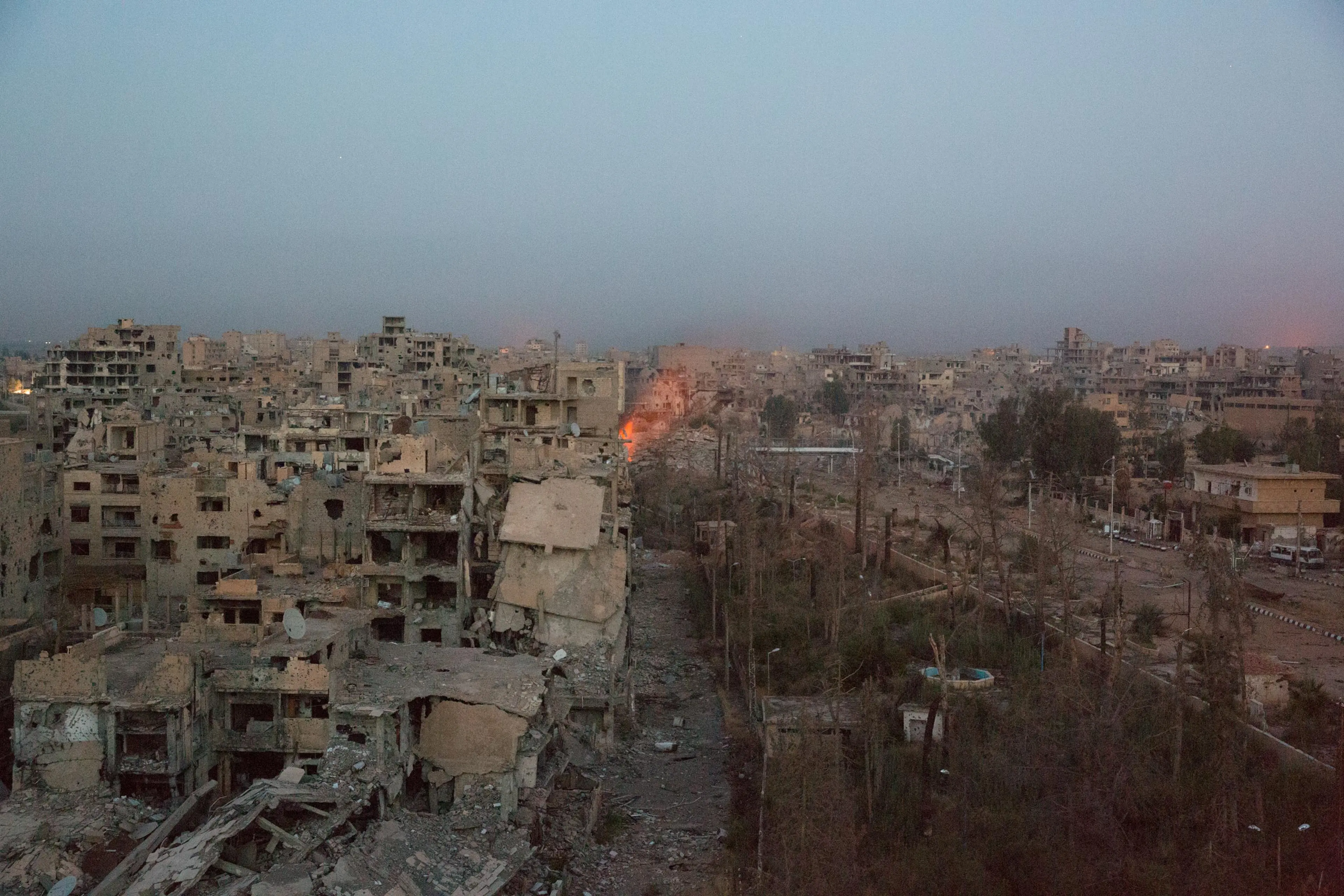
(The ISIS-controlled area of Deir-ez Zor appears to be greatly damaged by artillery and aerial bombing, while the government section of the city has suffered relatively minor damage. An explosion was possibly caused by a rocket-propelled grenade fired from a government position, May 24, 2015)
Within Manbij a civil war of its own broke out between elements of the Revolutionary Council and the RYM over who was in charge of the city. Both sides were guilty for intransigence in trying to reach a settlement in what can be seen as a class war as Abel O upon reflecting on events compared life in prison to life dealing with the split between the Revolutionary Council and the RYM. The debate according to Gopal centered on what type of government Manbij should have. The author develops the arguments over democracy, freedom, and a more authoritarian rule. The issues of secularism on Islamism come center stage as Islamists argue that secularism is what led to the brutal Assad regime and an inability of the Revolutionary Council to meet the needs of the people.
As these debates and conflict proliferate Gopal does an exceptional job discussing how ISIS was able to ingratiate itself into the Manbij community. However, once some of their efforts emerged the people of Manbij threw them out only having them return a month later taking over the city as the price of bread skyrocketed. ISIS would take over the RYM and the result was a split between Abdul Hadi and Oday and their followers highlighting the convoluted political situation in Manbij that was in the background throughout 2012 and 2014. The factionalism that was on display is a major theme of the book and a reason for the devastation caused by the Assad regime and the arrival of ISIS.
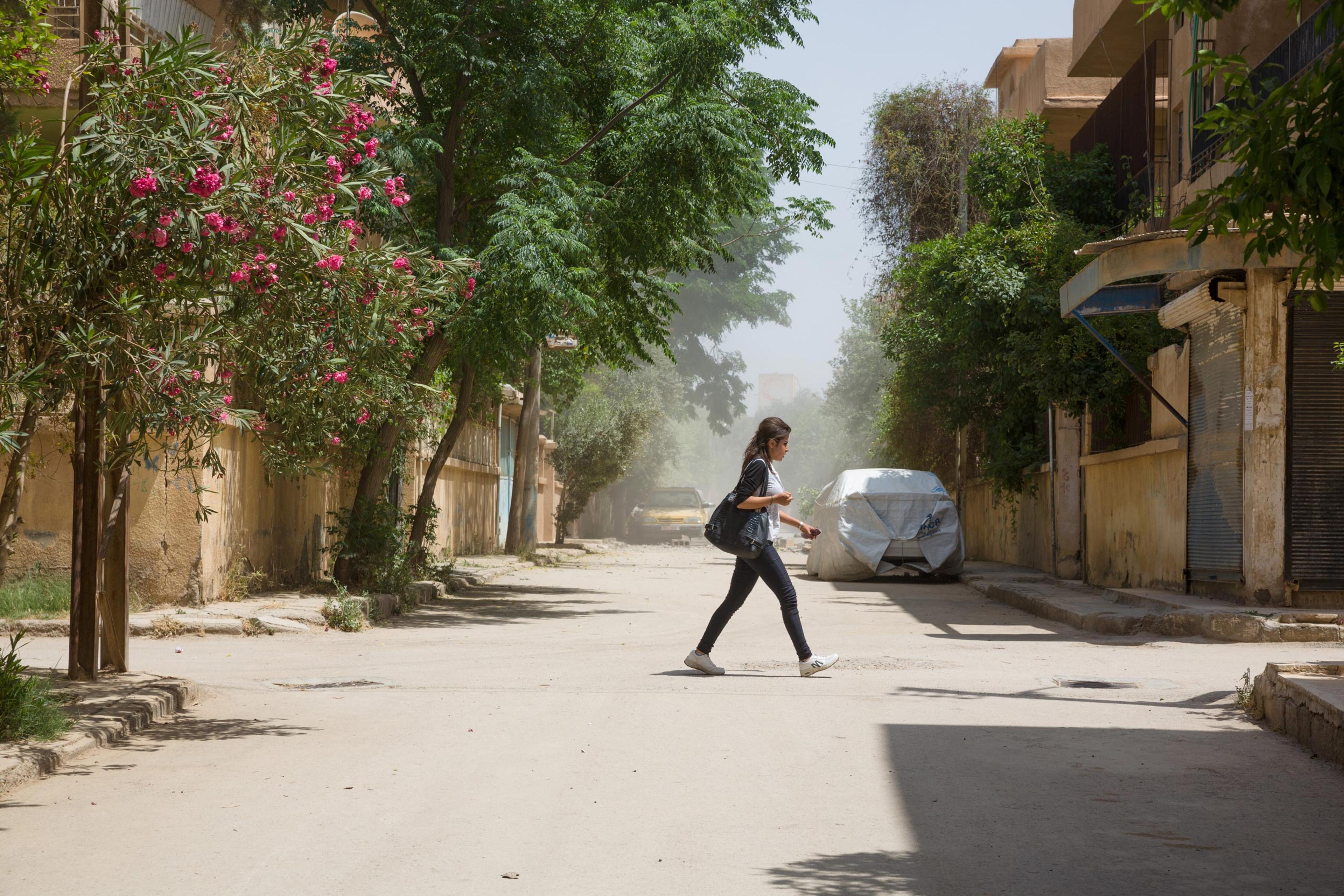
(A young woman crosses a street in Ghazi Ayaash, a residential neighborhood of Deir-ez Zor a few hundred feet from the frontline, after a mortar attack from an ISIS position. The city is an outpost of modernity surrounded by ISIS-controlled areas where strict Islamic law is enforced, May 20, 2015.)
One of the many strengths of Gopal’s work is his description of what it was like to live under ISIS rule. He is particularly effective employing Mina’s experiences in dealing with day to day life under extreme Islamist rule i.e., the almost hourly arrival of trucks with loudspeakers blaring the rules that one must live by under the new ISIS regime. Gopal explained that people came to follow ISIS because they needed security and were willing to trade for freedom. The Islamic State achieved what the Revolutionary Council could not. For Oday, people succumbed to a collective delusion.
As Gopal describes the fighting for Manbij in 2014 as American backed Kurdish forces and other rebel groups fought ISIS he delves into Oday’s seizure. Once he is taken he is tortured by ISIS which is emblematic of the split between the old revolutionary embodied in Oday and his former compatriot, Abdul Hadi. The author describes Oday’s courage and unshakeable commitment to freedom which eventually results in ISIS’ defeat which at the same time chronicle’s Abel O’s fight for survival under a reign of bombs. The most interesting character at this point is Abdul Hadi who founded the RYM and morphed into an ISIS leader. As the slaughter and bombs he experiences extreme guilt for his life’s path because of his belief in the Caliphate. Gopal portrays these friends on different sides of the revolution who have come full circle. It is a morose description of what war can do to friendship and commitment to the same cause.
Charles Glass’ review in the March 5, 2026, entitled, “This Story of Ordinary Syrians Who Fought Tyranny is a Masterpiece” in the New York Times captures the essence of what Gopal achieved in his excellent monograph that at times reads like a novel. As Glass writes he captures the dichotomy the people of Manbij faced; “As Gopal follows his characters around the city streets, he interlaces personal dramas with political conflicts, hopeful gatherings of aspiring democrats with the torture of young idealists, citizens uniting for liberty with families torn apart, the poor fighting for a share of resources against extortionate merchants, of government apparatchiks switching allegiances to join the revolution, of local soccer and karate heroes finding themselves on opposite sides of the barricades, of hope as much as despair. Many of the young people who emerged as revolutionary leaders were at first loyal followers of Assad, of whom they said, “Our president is a good man.” Government attacks on peaceful protesters requesting simple reforms turned them into rebels determined to rid the country of a leader and a system they blamed for the wretchedness of their lives. Gopal plays fair, pointing out that Baathist rule provided the peasants of Manbij with electricity, education, roads, health care and land reform that took them out of feudal bondage. In exchange for security, all they sacrificed was freedom.”
(Demonstrators in Daraa rally in celebration after Bashar al-Assad’s collapse in December 2024)
Glass accurately evaluates Gopal’s monograph as he brings Manbij to its present situation; “As they had fought Assad, the people of Manbij turned against ISIS and, with the assistance of the Free Syrian Army and the U.S.-backed Syrian Democratic Forces (S.D.F.), expelled it in 2016. The largely Kurdish S.D.F. proved as repressive in Manbij as Assad had been. “The Syrian Democratic Forces were democratic in name only,” Gopal writes. “There was no freedom of speech or assembly, no free and fair elections. The government in Manbij was a dictatorship.”
Politics can be a dirty business, but in Days of Love and Rage, Gopal makes the enduring optimism of his subjects movingly clear. For 40 years, everything from labor unions to chess clubs had been subject to the dictatorship. “Yet when the people of Manbij overthrew the government, independent councils and assemblies and newspapers and charities and unions appeared overnight,” Gopal writes. “In other words, the people of Manbij started doing politics.”
Despite falling under tyranny again, the city’s inhabitants learned from their mistakes and banished the subservience to power inherited over four centuries of Ottoman rule, 26 years of French occupation and, since 1949, local dictatorship.
When Assad fled to Moscow in December 2024, ending the civil war, Gopal and many of the town’s exiles returned to Manbij. A new council, Gopal writes, “appointed officials who had been tainted by corruption allegations during the revolution.” The people protested, marching and chanting in the streets and squares. “They came out simply because it is who they are,” Gopal concludes, “because of what has been awakened, because of the fire that cannot be put out.”
[4/20]
(A woman holds a bag on her head at a souk in Manbij city, December 29, 2018. Manbij has changed hands three times since the Syrian conflict began in 2011. Free Syrian Army rebels seized it from President Bashar al-Assad’s government early in the conflict. Then it fell to Islamic State which declared it part of its ‘caliphate’)
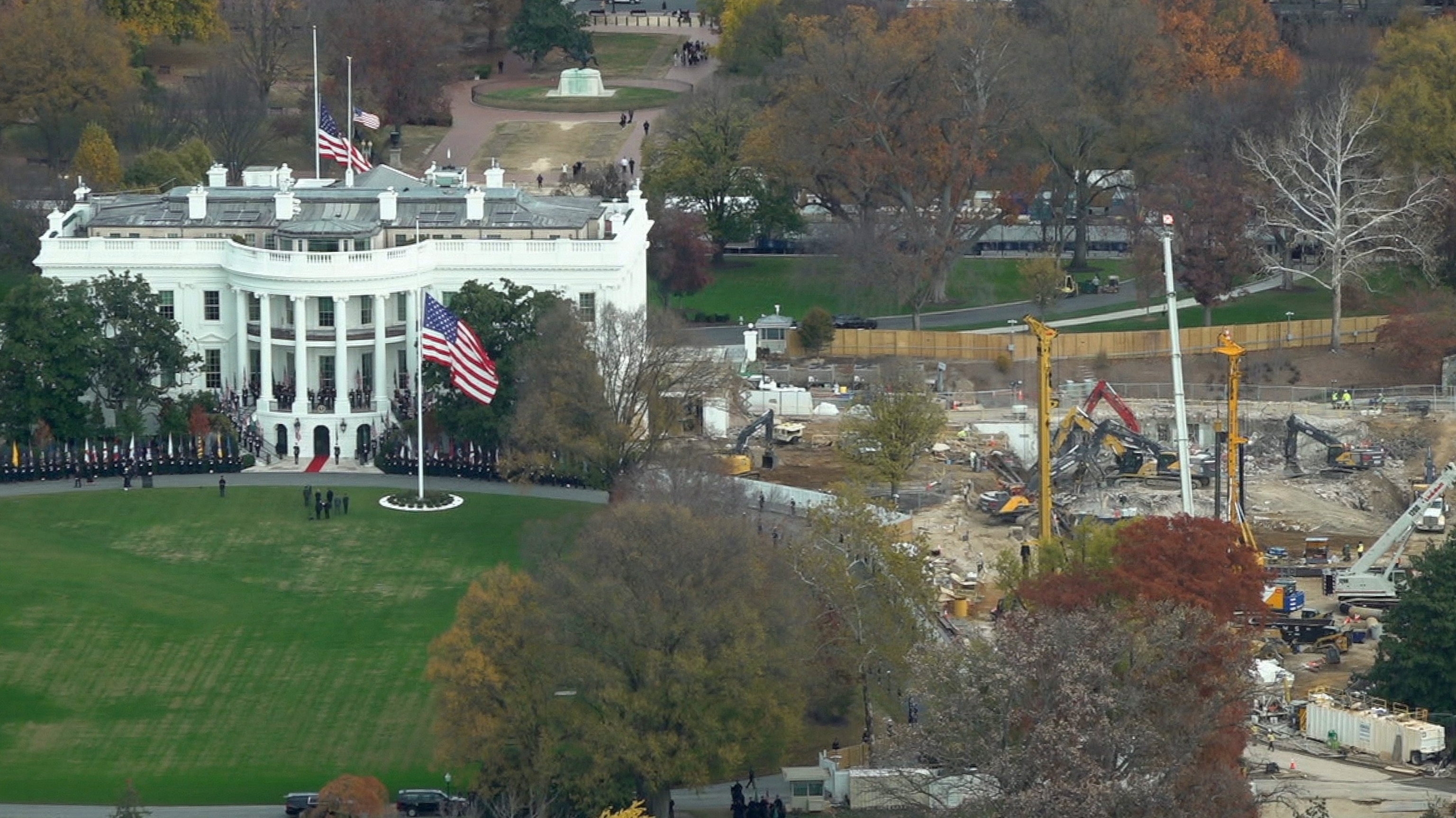
(The construction for the ballroom on the White House’s East Wing as seen from the top of the Washington Monument, Nov. 17, 2025).
When Donald Trump announced his goals to justify his war on Iran he described it as an “excursion” and regime change was on the top of his list. Fast forward three months and it appears the United States defeated Iran militarily but lost the geo-strategic battle as Tehran has emerged victorious as it now controls the Gulf of Hormuz and can negatively impact the world economy at will, something that did not exist before Trump’s “excursion.” Further, Iran’s theocratic regime remains intact, the government maintains its missile capabilities and retains thousands of drones. It is clear from the recently signed Memorandum of Understanding that the United States has lost the peace. It appears Trump has grown tired of the war and needs to put it behind him because of the upcoming mid-term elections. As a result, he has agreed to lift oil sanctions on Iran, allow Iran to control the Strait of Hormuz, promised billions of dollars in rebuilding funds a.k.a. reparations, and the release frozen Iranian assets. In addition, nothing has been agreed to pertaining to Iran’s nuclear assets. One must ask, how did this situation come to fruition so quickly? Many of the answers to these questions and other aspects of the Trump administration’s policies can be found in New York Times’ journalists, Maggie Haberman and Jonathan Swan’s new book, REGIME CHANGE: INSIDE THE IMPERIAL PRESIDENCY OF DONALD TRUMP.
From the book’s title one would gather the narrative focuses on Iran, but that is just one component as the authors focus on the Epstein Files, Trump’s revenge tour against perceived enemies, immigration policy and the actions of ICE, foreign influence, the enriching of the Trump family, corruption, and the overriding concept of loyalty which dominates any relationship with Trump and his administration. The authors also engage in analyzing why Trump behaves as he does. From the outset they argue that Trump has always created his own reality and then proceeds to force others to submit to his version of events. Trump lies constantly and absurdly; but what began as fantasies often blurred and morphed into a reality of his own making. With increasing frequency, and the help of sycophants, Trump spoken word is truth. Trumps adamant refusal to accept reality laid the foundation for his comeback in 2024. His obsession over the election of 2020, his ability to draw many into his mindset that the election was stolen, and that January 6th rioters were patriots out for a “Sunday stroll” dominate his world view and if you do not succumb to the gestalt you are not allowed into his world and administration.
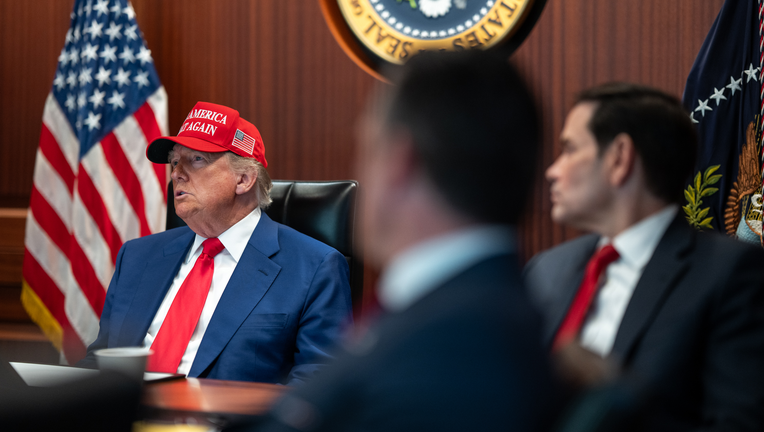
(President Donald Trump (L), Defense Secretary Pete Hegseth (C), and Secretary of State Marco Rubio monitor the U.S. strikes on three Iranian nuclear enrichment sites from the White House Situation Room on June 21, 2025)
Regime change is normally associated with foreign countries. However, based on the use of executive power what we are now experiencing in our country is regime change when one examines administration policies and actions, and Trump’s rule by his “gut.” The monograph is very concerning in that it is well researched and sourced. One could not imagine the types of events, personalities, and actions that are described, but they are part of our political fabric and policies that makes one wonder what the future holds.
In reading REGIME CHANGE it is difficult to discern which event or policies are the most disconcerting. But what is most important is the issue of accuracy. To this point there has been little push back from Trump administration supporters concerning the narrative. There are the usual criticisms focusing on personal attacks against the authors but little if any questioning of the substance of what the authors present. The most important criticism voiced by Tunku Varadarajan in his June 26, 2026, review of the book in the Wall Street Journal states that “the book relies largely on sources who spoke exclusively on ‘deep background,’ journalism jargon for the pinky-swear promise of eternal anonymity. We’re asked to trust the writers but have no means to verify their disclosures, some of these purportedly from the very heart of the presidency.” If this criticism is accurate why has no one questioned the core of what has been uncovered? Further, based on the record of honesty associated with the Trump administration who should we believe?
(Senior White House policy adviser Stephen Miller watches President Donald Trump speak in the Oval Office. Emails leaked to the Southern Poverty Law Center appear to reveal Miller’s familiarity with white nationalist texts and thinkers).
The book itself is a cornucopia of the last 365 days. If you are a news junky like I am I was pretty aware of most of what the book discusses. What I wasn’t cognizant of were the deep sourcing taking the reader inside meetings, arguments, and written components of the topics at hand. This is where the Trump administrations actions become unsettling which is due in large part by Trump himself but also the characters around him who have been given power. Chief among them is Stephen Miller who has risen to be Deputy Chief of Staff for policy and the keeper of all executive orders, placing him in charge of domestic policy. He has become the most powerful White House staffer in modern history. He is laser focused on cutting through the traditional bureaucratic obstacles in the federal government to push through Trump’s agenda. He has recruited lawyers who stretch the law to illegalities to implement Trump’s wishes – clean out the federal work force from “Trump haters.” Miller was in charge of the flurry of executive orders at the outset of the administration by overwhelming the opposition as to their number be it ending birthright citizenship or pausing funding of federal agencies. In the realm of immigration, Miller has set daily quotas to round up and deport people to the tune of 3000 per day. The promise was that only criminals would be seized and deported, but to reach the one million per year that Miller sought regular people, some of whom are citizens and others who are here legally have been rounded up by ICE. It was clear racial profiling was used which went along with Miller’s view of race and wanting to facilitate the creation of a white republic. The authors delve into Greg Bovino, Dan Bongino, Tom Homan, Kristi Noem, Pam Bondi and others who have facilitated this process.
Another character portrait which is beyond the pale centers on Elon Musk who spent $300 million to get Trump elected in 2024. He created DOGE, the Department of Governmental Efficiency and began to gut the federal work force and certain programs. With little knowledge of the labyrinthine federal system, nor how the budget functioned, with even less interest in the Constitution, he sought to reengineer the government as he imagined. He usurped the powers of Congress; impounded billions already appropriated and overrode cabinet members. A case in point was getting rid of USAID, the heart of American soft power overseas which probably caused the death of thousands by slashing funding for medicines and other aspects of disease control. Further he even blocked funding for an ISIS prison that held over 300 terrorists.
(ARLINGTON, VIRGINIA – MARCH 02: U.S. Secretary of War Pete Hegseth speaks during a news conference at the Pentagon on March 2, 2026 in Arlington, Virginia. Secretary Hegseth and Chairman of the Joint Chiefs of Staff)
The list of characters associated with the implementation of Trump’s agenda is long and disheartening especially on the domestic front with the use of ICE, and the deployment of the military to try and occupy certain cities – all of which are heavily minority and democratic. The first test case was Los Angeles, then Chicago, Washington, DC, and of course the fiasco that resulted in the death of two American citizens in Minneapolis.
The authors present the rationale for other programs including the unleashing of tariff wars as Trump maintains the 1950s belief that doing so would bring back manufacturing to the United States. Trump’s tariff policy rekindled the horrors of the Hawley-Smoot tariffs of 1930 which greatly contributed to the Great Depression but free trade once the hallmark of the Republicans just melted away. It began a trade war with our allies, a process that would also include Trump’s agenda to rely less on traditional allies, break up NATO, and force them to recalibrate any reliance on Washington. This also had a negative effect on the economy as by increasing tariffs the result is an increase in the cost of consumer goods resulting in higher inflation. Trump blames inflation on the Biden administration, or he rationalizes that it would only be a short time problem as tariffs would produce great revenues to offset the pain for the consumer.
Haberman and Swan’s discussion of Trump’s domestic agenda are disturbing enough but his foreign policy has been a disaster. According to Trump he would end the war in Ukraine in 24 hours. His kowtowing to Vladimir Putin is part of the historical record. His treatment of Volodymyr Zelenskyy has been abhorrent particularly the scene in the Oval office in February 2025 as Trump tried to force the Uranian president to give into all of Putin’s demands. The treatment of NATO allies is well known as is Trump’s obsession with obtaining Greenland and the obnoxious tactics pursued. But it is the current situation in Iran and how we went to war which is most disturbing.
It is clear that Israeli Prime Minister Benjamin Neteyahu was able to convince Trump to go along with the plan to attack Iran. The June 2025 Israel attacks in Lebanon and Iran showed Trump what success could look like and since he always wants to be associated with a winner, so he joined Israel in going after Iran’s hidden nuclear capabilities. After the success against Venezuela’s President Nicolas Maduro Trump thought he could decapitate Iran’s leadership, and a new regime would give into his whims. We all know how that turned out with Iran controlling the Gulf of Hormuz and Trump succumbing with his Memorandum of Understanding, a strategic victory for Iran, though a military victory for the United States.
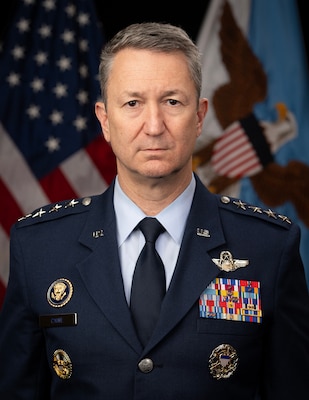
(General Dan Caine, Chairman Joint Chiefs of Staff)
Apart from domestic and foreign policies Haberman and Swan’s research into the accumulation of Trump family wealth and those of the presidents friends are unprecedented. Deals for Jared Kushner, Steve Wycoff and his son, Erick and Donald Jr. have brought in billions from drone contracts, crypto deals, and other projects. Donations based on coercion of Corporate CEOs have brought in billions to Trump’s political actions committees to fund some of his outlandish desires reflecting the fear Trump has instilled. Yesterday, in fact it was announced that Trump had earned over $2 billion of personal wealth during his first term. The media has been no exception as Trump wants to remake how news is reported. If that is not enough Trump wants to change how we view our history – the author’s discussion of the Smithsonian is a case in point.
The scariest section of the book is entitled “Retribution” in which the authors recount how Trump has gone after anyone he feels criticized him in the past. If you did not agree with the 2020 election conspiracy or the categorization of the January 6th participant there was a target on your back. Law firms, former Homeland Security or FBI officials, universities, newscasters, nighttime comedians, Letitia James, Alvin Bragg, John Bolton, John Brennan, James Comey and his daughter, and Federal reserve Chair, Jerome Powell all fit this criteria as do a host of others.
One would think that the MAGA world would never oppose any action or inaction taken by Trump, but the Epstein Files finally created an opposition which to this day has not gone away. The work of Pam Bondi and Todd Blanche to block the release of the files is well known and the authors sprinkle in greater detail. Especially intriguing is the chronicling of the Situation Room meetings to develop a strategy to deal with the Epstein files that included Vice President Vance, Susie Wiles, and many other important figures.
(Donald J. Trump with Todd Blanche outside Manhattan Criminal Court, where Mr. Blanche was the president-elect’s defense lawyer in the hush money case. The two bonded over the several weeks of the trial)
The depth of detail in Haberman and Swan’s narrative amazes. From their description of Trump as an interior decorator with his gold touches, to Trump’s annoyance at Vice President Vance’s position on Iran (maybe that is why he was put in charge of negotiations to end the war!) to reactions to the killing of Charlie Kirk, to how Mark Zuckerberg, Jeff Bezos and others ingratiated themselves with Trump, to a myriad of other examples the authors take the reader inside an unimaginable world. Significantly, Vance and Miller wanted to use the murder of Charlie Kirk as an excuse to go after anyone they perceived to be enemies of the administration. Thery issued a National Security Presidential Memo/NSPM-7 which was designed to label all leftist elements in American politics as a terrorist threat arguing that most violent acts were committed by leftists while the facts reflect it was the American right which was most responsible.
The authors provide many keen observations in the run up to the attack on Iran. They focus on the debates within the administration as to what action should be taken. The focus on CIA Head John Ratcliffe and Joint Chiefs of Staff Chairman Dan Caine are most disconcerting. Ratcliffe warned Trump that Netanyahu’s presentation to justify war and his objectives did not pass the smell test, and others described them as “bullshit.” The Israeli Prime Minister had his own agenda separate from the United States and was able to convince Trump of a quick and relatively easy victory. Cain warned Trump that war would heavily deplete America’s weapons and munitions stockpiles presenting the cost of an Iranian drone v. US missiles as a case in point. This would lead to Defense Secretary Pete Hesgeth’s repeated lies about America’s inventory once a ceasefire was agreed to. The authors unequivocably state that at no point during the deliberations that resulted in war did Caine tell Trump that war with Iran was a terrible idea, “though some of Caine’s colleagues believed that was exactly what he thought.” In the end, as per usual, Trump went with his “gut” and did what he wanted expecting a second Venezuela result.
One could never write a Hollywood script to describe a presidency that people would believe if it were based on this book. However, until someone proves that what these authors have written is false we as a nation have a president who puts himself, his legacy, his wealth, and his “gut” feelings ahead of the needs of the American people.
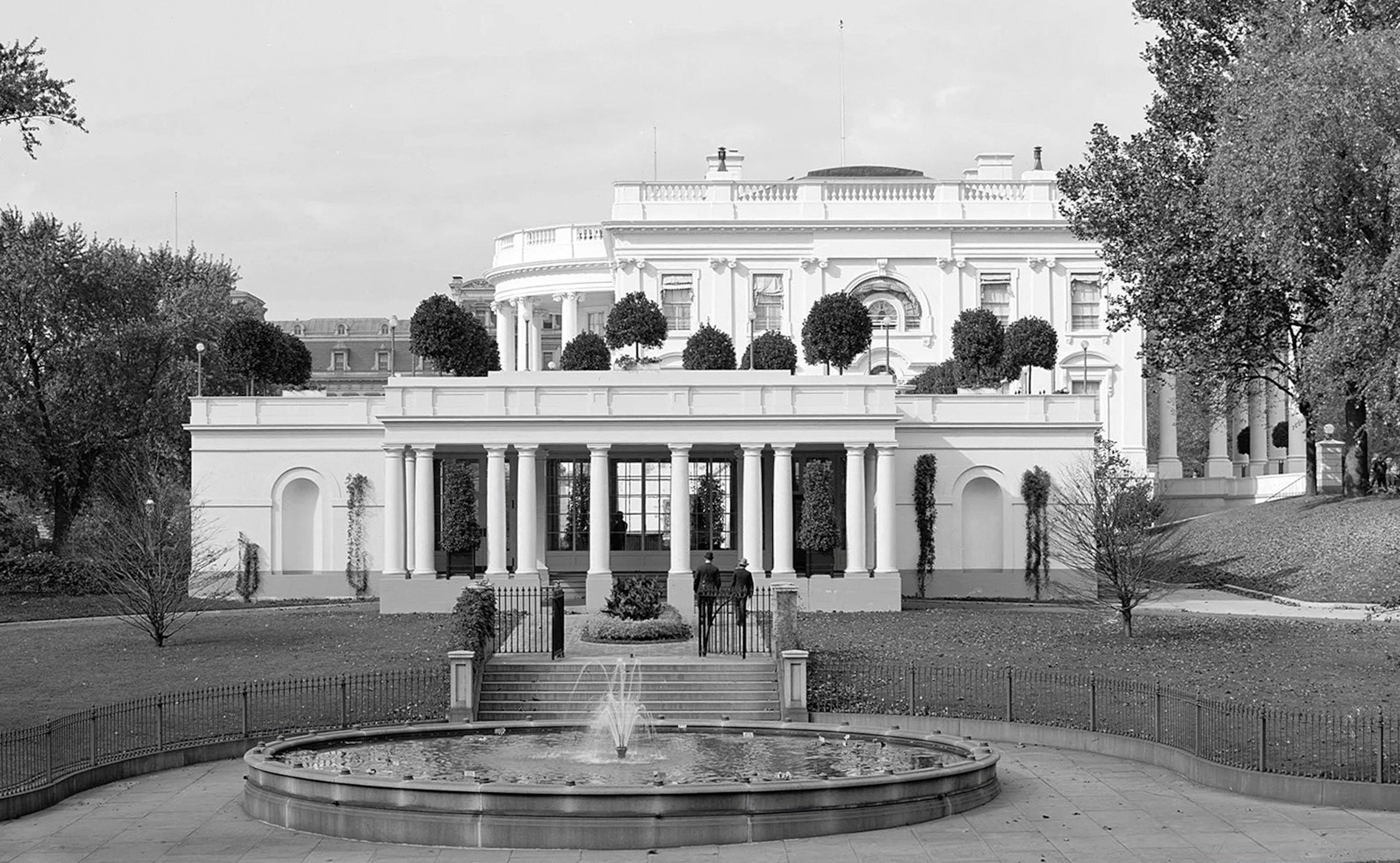
(A general view of the White House East Wing entrance in Washington in 1906).



_02_(cropped).jpg)