MIDDLE EAST READING LIST (FORMERLY ARAB-ISRAELI READING LIST: FROM GAZA TO ISIS) Updated December 24, 2016

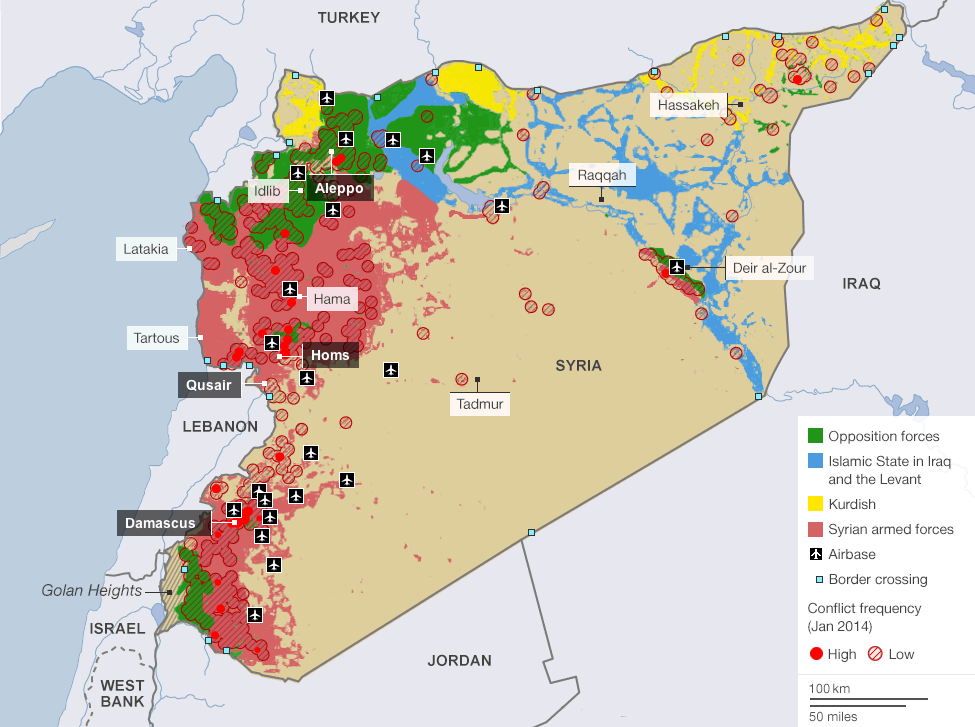
Image result for current map of syria with isis control

Image result for current map of Israel and occupied territories

FROM GAZA TO ISIS/Dr. Steven Z. Freiberger

This list has been updated on December 24, 2016.  It includes the latest books published in 2016 that I believe are important and members of the new Trump administration should consult.  Further, it includes some older books that I left of the previous versions of the list.

szfreiberger@gmail.com

www.docs-books.com

READING LIST:

Achcar, Gilbert. THE ARABS AND THE HOLOCAUST

Anderson, Scott. LAWRENCE OF ARABIA

Ansary, Tamin. DESTINY DISRUPTED: A HISTORY OF THE WORLD THROUGH ISLAMIC EYES

Avineri, Shlomo. HERZL’S VISION

Bacevitch, Andrew. AMERICA’S WAR FOR THE GREATER MIDDLE EAST

Bacevitch, Andrew. BREACH OF TRUST: HOW AMERICANS FAILED THEIR SOLDIERS AND THEIR COUNTRY

Bacevitch, Andrew. THE LIMITS OF POWER: THE END OF AMERICAN EXCEPTIONALISM

Bar-Zohar, Michael. SHIMON PERES

Bishop, Patrick. THE RECKONING

Blanford, Nicholas. WARRIORS OF GOD

Blumenthal, Max. GOLIATH: LIFE AND LOATHING IN GREATER ISRAEL

Blumenthal, Max. THE 51 DAY WAR: RUIN AND RESISTANCE IN GAZA

Bolger, Daniel P. WHY WE LOST

Byrne, Malcom. IRAN-CONTRA

Cobban, Helena. THE PLO

Cockburn, Patrick. THE RISE OF THE ISLAMIC STATE

Coll, Steven. GHOST WARS

Cooper, Andrew Scott. THE FALL OF HEAVEN: THE PAHLAVIS AND THE FINAL DAYS OF IMPERIAL IRAN

Crist, David. THE TWILIGHT WAR: THE SECRET HISTORY OF AMERICA’S THIRTY YEAR WAR WITH IRAN

Dalin, David and Rothman, John F. ICON OF EVIL

Doran, Mike. IKE’S GAMBLE: AMERICA’S RISE TO DOMINANCE IN THE MIDDLE EAST

Elon, Amos. HERZL

Ehrenreich, Ben. THE WAY TO THE SPRING: LIFE AND DEATH IN PALESTINE

Ephron, Dan KILLING A KING: THE ASSASSINATION OF YITZHAK RABIN AND THE REMAKING OF ISRAEL

Faulkner, Neil. LAWRENCE OF ARABIA’S WAR

Fawaz, Leila Tarazi. A LAND OF ACHING HEARTS

Filiu, Jean-Pierre. GAZA: A HISTORY

Filiu, Jean-Pierre. FROM DEEP STATE TO ISLAMIC STATE

Fishman, Brian H. THE MASTER PLAN: ISIS. AL-QAEDAS, AND THE JIHADI STRATEGY FOR FINAL VICTORY

Freiberger, Steven Z. DAWN OVER SUEZ

Gardner, Lloyd. THE ROAD TO TAHRIR SQUARE

Gerges Fawaz A. ISIS: A HISTORY

Gorenberg, Gershon. THE ACCIDENTAL PEACE

Gordes, Daniel. MENACHEM BEGIN

Gutman, Roy. HOW WE MISSED THE STORY

Halevi, Yossi Klein. LIKE DREAMERS

Hamid, Shadi. ISLAMIC EXCEPTIONALISM

Hardy, Roger. THE POISONED WELL: EMPIRE AND ITS LEGACY IN THE MIDDLE EAST

Hefez, Nir and Bloom, Gadi. ARIEL SHARON

Herff, Jeffrey. NAZI PROPAGANDA AND THE ARAB WORLD

Hoffman, Bruce. ANONYMOUS SOLDIERS: THE STRUGGLE FOR ISRAEL, 1917-1947

Jones, Seth G. HUNTING IN THE SHADOWS: THE PURSUIT OF AL-QAEDA SINCE 9/11

Judis, John B. GENESIS: TRUMAN, AMERICAN JEWS, AND THE ORIGINS OF THE ARAB-ISRAELI CONFLICT

Karsh, Efraim. ARAFAT’S WAY

Karsh, Efraim. PALESTINE BETRAYED

Khalidi, Rashid. THE IRON CAGE

Khalidi, Rashid. RESURECTING EMPIRE

Kinzer, Steven. RESET: IRAN, TURKEY, AND AMERICA’S FUTURE

Kinzer, Stephen. ALL THE SHAH’S MEN

Lamb, Christina. FAREWELL KABUL: FROM AFGHANISTAN TO A MORE DANGEROUS WORLD

Landau, David, ARIK

Levitt, Matthew. HAMAS

Lewis, Bernard. ISLAM AND THE WEST

Lewis, Bernard. FAITH AND POWER

Lewis, THE CRISIS OF ISLAM

Lister, Charles R. THE SYRIAN JIHAD

Lochery, Neill, THE RESISTIBLE RISE OF BENJAMIN NETANYAHU

Lynch, Marc. THE NEW ARAB WARS

McCants, William. THE ISIS APOCALYPSE

McMeekin, Sean. THE OTTOMAN END GAME: WAR, REVOLUTIOMN, AND THE MAKING PF THE MODERN MIDDLE EAST, 1908-1923

Motadel, David. ISLAM AND NAZI GERMANY’S WAR

Morris, Benny. THE BIRTH OF THE PALESTINIAN REFUGEE PROBLEM, 1947-1949

Morris, Benny. 1948

Morris, Benny. RIGHTEOUS VICTIMS

Nasir, Vali. THE SHI’A REVIVAL

Nissenbaum, Dion. A STREET DIVIDED

Oren, Michael. SIX DAYS OF WAR

Oren, Michael. ALLY

Pagden, Anthony WORLDS AT WAR: THE 2500 YEAR STRUGGLE BETWEEN EAST AND WEST

Pappe, Ilan. THE ETHNIC CLEANSING OF PALESTINE

Parsi, Trita. TREACHEROUS ALLIANCE

Parsons, Laila. THE COMMANDER: FAWZI AL-QAWUQJI AND THE FIGHT FOR ARAB INDEPENDENCE 1914-1948

Rabinowitch, Abraham. YOM KIPPUR WAR

Radosh, Allis; Radosh, Ronald. SAFE HAVEN: HARRY S. TRUMAN AND THE FOUNDING OF ISRAEL

Razoux, Pierre. THE IRAN-IRAQ WAR

Rogan, Eugene. THE FALL OF THE OTTOMANS

Ross, Dennis. THE MSSING PEACE

Ross, Dennis. DOOMED TO SUCCEED: THE US-ISRAEL RELATIONSHIP FROM TRUMAN TO OBAMA

Rubin, Barry and Wolfgang G. Schwartz. NAZIS, ISLAMISTS, AND THE MAKING OF THE MODERN MIDDLE EAST

Rubin, Barry and Rubin, Judith Colp. YASSIR ARAFAT

Schiff, Ze’ev and Ya’ri Ehud. INTIFADA

Shilon, Avi. MENACHEM BEGIN

Schneer, Jonathan. THE BALFOUR DECLARATION

Segev, Tom. THE SEVENTH MILLION

Segev, Tom. 1967

Shane, Scott. OPERATION TROY

Shlaim, Avi. ISRAEL AND PALESTINE

Shlaim, Avi. LION OF JORDAN

Shlaim, Avi. THE IRON WALL

Shapara, Anita. DAVID BEN-GURION

Shavit, Ari. MY PROMISED LAND

Shilon, Avi. MENACHEM BEGIN: A LIFE

Siniver, Asaf. ABBA EBAN

Smith, Lee. THE STRONG HORSE: POWER, POLITICS, AND THE CLASH OF ARAB CIVILIZATIONS

Solomon, Jay THE IRAN WARS

Stern, Jessica and Berger, J.M. ISIS

Summers, Anthony; Robbyn Swan. THE ELEVENTH DAY: THE FULL STORY OF 9/11 AND OSAMA BIN LADEN

Takeyh. Ray; Simon, Steven. THE PRAGMATIC SUPERPOWER: WINNING THE COLD WAR IN THE MIDDLE EAST

Tolan, Sandy. THE LEMON TREE: AN ARAB, A JEW, AND THE HEART OF THE MIDDLE EAST

Tuzelmann, Alex. BLOOD AND SAND

Turner, Barry. SUEZ 1956

Tyler, Patrick. FORTRESS ISRAEL

Von Tuzelmann, Alex. BLOOD AND SAND

Warrick, Joby BLACK GLAGS: THE RISE OF ISIS

Wawro, Jeffrey. QUICKSAND

Weiss, Michael and Hassan. ISIS: INSIDE THE WORLD OF TERROR

Wilford, Hugh. AMERICA’S GREAT GAME: THE CIA’S SECRET ARMY AND THE SHAPING OF THE MIDDLE EAST

Wilson, Jeremy. LAWRENCE OF ARABIA

Wood, Graeme. THE WAY OF STRANGERS: ENCOUNTERS WITH THE ISLAMIC STATE

Worth, Robert F. A RAGE FOR ORDER: THE MIDDLE EAST TURMOIL, FROM TAHRIR SQUARE TO ISIS

Wright, Lawrence. THIRTEEN DAYS IN SEPTEMBER

Wright, Lawrence. THE TERROR YEARS: FROM AL-QAEDA TO THE ISLAMIC STATE

Image result for current map of Israel and occupied territories

CONCLAVE by Robert Harris

 photo Cardinals_zpsdlpqwv84.jpg

Robert Harris’ new novel, CONCLAVE takes the reader inside the world of the Vatican and its byzantine politics.  Set in Rome, the Pope has died and there is a question of what he said to certain Cardinals upon his passing and what impact it might have on the impending election of a new Pope.  Harris’ moderator is the seventy-five year old Jacobo Lomeli, the Dean of the College of Cardinals, but a person who would like to return to a religious order to live out his life in prayer.  With the death of his holiness, Lomeli finds himself as the overseer of the Conclave to choose the next leader of the Catholic Church.  As is true with any large organization that must choose a new leader, there is a great deal of intrigue and power brokering.  As I read the novel all I could think of was the American Congress and its inability to come to fruition on something substantive.

Image result for images of the sistine chapel ceiling

The factions within the College of Cardinals is somewhat traditional.  On one side we have the liberal wing that is coalescing around its intellectual Secretary of State Aldo Bellini; the Confessor-in-Chief Joshua Adeymi, who hopes to be the first black Pope; the Chamberlain of the Holy See, Joseph Tremblay, a Canadian with strong links to the Third World, and the Patriarch of Venice, Goffredo Tedesco, the hope of conservatives who are against the ordination of women and wants to move away from Italian to the use of Latin in all areas.  Lomeli immediately faces two challenges aside from assuaging the egos of these cardinals.  It seems that before the Pope passed away he created a new Cardinal, Vincent Benitez, the Archbishop of Baghdad and he did it “in pectore” (only the Pope knows) and did not inform anyone.  Benitez appears unannounced at the Conclave and is recognized for his work in Africa dealing with victims of terrorists like Boko Haram and the dangers of leading the Catholic Church in Iraq.  The second challenge occurs when he chooses to forgo part of his prepared oration to the Conclave and speaks extemporaneously.  As a result of what he calls for in the church, many Cardinals now see him as a candidate.

The tradition, ritual, and pageantry of the Catholic Church is on full display as Harris develops his novel.  The ceremonies are intricate as Lomeli leads the 118 member College of Cardinals in choosing the next Pope.  But what dominates the plot is the contending factions and the behind the scenes actions taking place.  Harris takes the reader through each ballot with intrigue and deal making paramount.  The first four ballots are dominated by scandals and stress for Lomeli, but then events take place that the Conclave cannot control.  Those who are fans of Robert Harris, be it because of his books FATHERLAND, ARCHANGEL, or his trilogy dealing with the struggle for power in ancient Rome will not be disappointed, particularly with the ending!

Image result for photo of the College of Cardinals

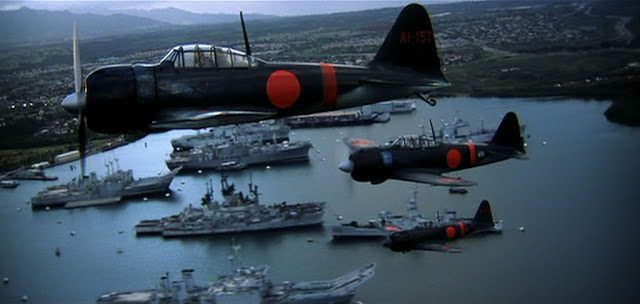
COUNTDOWN TO PEARL HARBOR: THE TWELVE DAYS TO THE ATTACK by Steve Twomey

Image result for pictures of pearl harbor attack with color

(December 7, 1941)

Steve Twomey is a superb writer whose new book COUNTDOWN TO PEARL HARBOR: THE TWELVE DAYS TO THE ATTACK is a useful addition to the list of books recently published commemorating December 7, 1941.  Employing numerous primary source documents, memoirs, interviews, and a mastery of secondary materials Twomey has recreated the tension filled days leading up to the Japanese attack. The reader is provided a front row seat from which to witness the debates within the Roosevelt administration, the work of the intelligence community, and the approach the American military took in responding to the Japanese threat.  In addition, the author explores the Japanese perspective on all events.

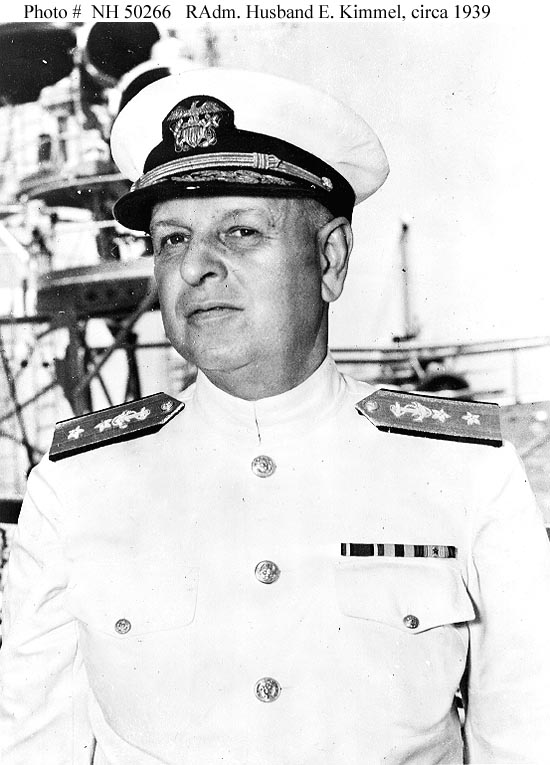
Twomey, a Pulitzer Prize winning reporter for the Washington Post incorporates numerous biographical sketches of the major figures and these sketches include Japanese as well as American figures.  Prominent on the Japanese side are Admiral Isoroku Yamamoto, the Vice Minister of the Imperial Navy, the architect of the attack; Kichisaburo Nomura, the Japanese Ambassador to the United States; Takeo Yoshikawa, a Japanese spy who took a job as a dishwasher at Pearl Harbor;  Admiral Harold Starks, Chief of Naval Operations; Admiral Husband Kimmel, Commander of the Pacific Fleet; Joseph J. Rochefort, Head of the Combat Intelligence Unit; William Knox, Secretary of the Navy; General George C. Marshall, Chief of the Army, and General Walter Short, Army Command in Hawaii, among others.

Image result for yamamoto photo pearl harbor plan

(Admiral Isoroku Yamamoto, the Vice Minister of the Japanese Navy who planned the attack)

Twomey follows the week and a half leading to the attack, providing context and analysis as he brings to the fore a number of issues.  The role of the Washington bureaucracy and its communications with military commanders is especially important, as is the flow of intelligence that was made available.  The intelligence issue is paramount because the United States had broken Japanese diplomatic and naval codes referred to as MAGIC and these intercepts had a limited dissemination.  The preparation taken by commanders in the Philippines and Hawaii receives a great of attention as does the inability of Washington to supply the numbers of planes and pilots for reconnaissance to provide a warning to deal with the Japanese threat.  Marshall and Stark had a limited ability to supply the Pacific theater, and even reduced Pearl Harbor’s forces by 25% to assist in the Atlantic war against Germany.

Image result for yamamoto photo pearl harbor plan

Twomey deals with those who were supposedly the most culpable for the lack of preparation at Pearl Harbor, and unlike Anthony Summers and Robbyn Swan’s recent book he finds Admiral Kimmel guilty of a lack of judgement in preparing his command and presents him as a person who had little contact with Japan, and believed they might bluff but would not be reckless enough to attack the United States.  Twomey also dissects the intelligence community concentrating on the cryptographic miracles that occurred in the “dungeon,” the nickname for Rochefort’s office.  Men like Lt. Commander Edwin T. Layton, a Lt. Commander of the intelligence division who held a strong knowledge of Japanese culture and language, and Capt.  Arthur H. McCollum, Chief of the Far Eastern Section of Naval Intelligence who assisted in the breaking of the MAGIC code are discussed in detail in an enlightening chapter entitled, “Their Mail Open and Read.”

A number of telling things emerge in dissecting the lack of preparation at Pearl Harbor.  Twomey’s critique of Stark is very accurate as during the course of 1941 up until the collapse of diplomatic negotiations with Japan at the end of November, his warnings to the Pacific fleet were like a “yo-yo.”  On January 13, 1941 he informed Kimmel that war “may be in a matter of weeks.”  On October 17, 1941 he told Kimmel that “I do not believe the Japs are going to sail into us,” but on November 7, 1941 he stated the situation was “worser and worser and in a month may see literally most anything.”  The problem as the author correctly points out is that Stark did not put himself in the minds of a commander with his double bind messages.  Further, Stark kept the Japanese intercepts away from Kimmel and General Short, and when messages that were forwarded did not include a threat to Pearl Harbor as it emphasized the Philippines.

Image result for yamamoto photo pearl harbor plan

(FDR: “A Day that will go down in infamy”)

Another interesting chapter that Twomey presents deals with Army-Navy relations at Pearl Harbor.  The lack of trust, poor communication, and little or no training together by the two services before the arrival of Kimmel and Short is damning to say the least as is their lack of coordination of reconnaissance flights, the destination and location of naval forces, and other issues.  The situation does improve once the new command is in place, but it took a long time to try and undo the past relationship.

The role of Joseph Grew, the American Ambassador to Japan and his attempts at reaching a settlement between the two adversaries is interesting as is Secretary of State Cordell Hull’s negotiations with the Japanese in Washington.  The Japanese process was simple in its application of diplomacy, stall and create a charade of amiability until their navy was in place, then move quickly to the deadline date.  Another important component in Twomey’s narrative is his accurate portrayal of American racist views.  This deprecation of Japanese culture led to ridiculous views of the abilities of Japanese naval forces and their pilots.  Our view of their inferior technology, intelligence and decision making also contributed to the disaster of December 7th.   Another fascinating area is Twomey’s discussion of how American naval intelligence lost sight of Japanese aircraft carriers weeks before the attack.  They went silent and intelligence analysts could not determine its true meaning for the near future.  But, by December 3rd intercepts showed that Japanese diplomats were destroying their code machines and documents and they feared for their seizure once the attacks in the Pacific took place.  If Stark was convinced this was a prelude to war why didn’t he make firmer warnings to Kimmel?

In the final analysis Twomey argues American readiness for an attack on Pearl Harbor was an outright gamble.  After sifting through all the documentation the author can make the case that certain steps should have been taken by Stark, Kimmel, Short and others to prepare American forces for a Japanese attack.  However, those in charge in Washington and Pearl Harbor held the belief that the Japanese would not be ignorant enough to hit Pearl Harbor so distant from their home base.  The Philippines was most likely to be attacked, but for government officials, civilian and military, Pearl Harbor should not have been a target.  The question who is responsible for the disaster that followed, the blame could be spread around and should not be focused on one or two individuals.

Image result for pictures of pearl harbor attack with color

(December 7, 1941)

“After the Islamic State” by Robin Wright (NEW YORKER, December 12, 2016)

Image result for photo of robin wright middle east correspondent

Middle East historian and correspondent Robin Wright has just written a perceptive article for the December 12, 2016 edition of the New Yorker that is worth exploring.  At a time when the Islamic State (or Daesh as it is known in the Gulf States) is now experiencing a number of major defeats since it created its “caliphate,” Wright’s article, “After the Islamic State” is very timely.  Her analysis concentrates on what should our policy be once Daesh is defeated.  As its territory recedes the west faces the prospect of more Paris and Brussel types of attacks as the “caliphate” changes the battlefield as American drones continue to target their leadership and fighters.  Wright recently traveled throughout the region and found ongoing wars in Syria, Libya, Yemen, and Iraq.  Further, Lebanon, Turkey, and Jordan have become sanctuaries for hundreds of thousands of refugees.  On top of this the oil rich Gulf States, she believes are very fragile.  The instability across the region has led to economic distress and high unemployment and the long term viability of certain Arab states is called into question.  The fear is that the destabilization that has manifested itself in Syria, Iraq, and Libya could spread across the region and engulf countries like Algeria, Morocco, or other Arab states.

In addition, Wright points out that the reemergence of al-Qaeda, i.e., the al-Nusra front in Syria is very problematical for the west and the Arab states.  Further complicating matters is the increased role of the United States with roughly 5,000 troops/advisors, drone attacks, and expenditures of $12.6 million per day on the eve of a new presidential administration that has done very little to educate the public as to what its policy might be in the future.  Iraq itself, despite its Mosul offensive against Daesh suffers from political paralysis and corruption.  Above all the dream of a caliphate is still out there and once Daesh is driven out of Raqqa, its supposed capitol, some other jihadi group will try and rekindle the concept.  Wright brings up a number of important issues and it would be well worth the time for the Trump administration and its European “allies” to think long and hard as to how to confront the future.

Image result for photo of robin wright middle east correspondent

A MATTER OF HONOR: BETRAYAL, BLAME AND A FAMILY’S QUEST FOR JUSTICE by Anthony Summers and Robbyn Swan

Image result for pearl harbor attack photos in color

December 7 , 1941, Japanese attack on Pearl Harbor)

This week Americans commemorate the 75th anniversary of the December 7, 1941 bombing of Pearl Harbor and the United States’ official entrance into World War II.  The date has fostered the appearance of a number of recent books dealing with the Japanese attack and its repercussions.  Among these monographs are JAPAN 1941: COUNTDOWN TO INFAMY by Eri Hotta, PEARL HARBOR: FROM INFAMY TO GREATNESS, by Craig Nelson, COUNTDOWN TO PEARL HARBOR: THE TWELVE DAYS TO THE ATTACK by Steve Twomey, SEVEN DAYS OF INFAMY: PEARL HARBOR ACROSS THE WORLD by Nicholas Best that concentrate on the overall attack, what lay behind it, its repercussions, and A MATTER OF HONOR: BETRAYAL, BLAME AND A FAMILY’S QUEST FOR JUSTICE by Anthony Summers and Robby Swan which focuses in on the role of Admiral Husband Kimmel who was relieved of his command and accused of dereliction of duty due to the success of the Japanese attack.  The focus of this review is the narrative exploration and defense of Admiral Kimmel who Washington officials made one of the major scapegoats for the losses at Pearl Harbor, and his fight, during his lifetime to clear his name, and the continued battle with the Washington bureaucracy by his sons to absolve their father and restore his reputation.  The book is presented in two parts.  The first section, about two thirds of the book explores events, decisions, intelligence, and personalities leading up to the attack.  The last third deals with the charges against Kimmel, his defense, and the families attempt to restore his reputation and absolve him of total responsibility for the failures that led to December 7th.

Image result for photo of Husband Kimmel

After putting to bed some of the conspiracy theories pertaining to the reasons behind the Japanese success at Pearl Harbor the authors move on to deal with the issue of culpability that stands on firmer ground.  In terms of whether the accusations leveled at Kimmel hold water Summers and Swan point to the change in US strategy for the Pacific in January, 1941.  Under Admiral Harold R. Stark’s direction “Plan Dog” was implemented to restrain Japan by using the fleet operating out of Pearl Harbor as a bulwark against Japanese aggression.  Stark was very concerned that a sudden attack in Hawaiian waters would be very problematical and he asked the War Department to provide additional equipment and protective measures, i.e., increased air-born patrols, augment anti-aircraft patrols, newer and more efficient aircraft, increase the lack of aircraft detection devices among a number of requests.  It was clear that the naval command at Pearl Harbor felt its defenses were inadequate.  In February, 1941, Kimmel who was made Commander and Chief of the Pacific Fleet also made requests to Army Chief of Staff General George C. Marshall who was not forthcoming with materials and planes as he remarked that the country was “tragically lacking in material…we cannot perform a miracle.”  Letters to Secretary of War Henry L. Stimson and Navy Secretary Henry Knox reflected the position that the army would be unable to assist at Pearl Harbor and that materials were not available.  This at a time, based on earlier exercises going back to 1928, as well as a number of other warnings from well-placed individuals who claimed to know Japan’s plans, it seems obvious that the US military was fully aware of the Japanese threat, including an accurate prediction by Knox as to what could occur in the future.

Image result for Photo of Henry L. Stimson

(Secretary of War Henry L. Stimson)

Summers and Swan discuss many facets of the attack on Pearl Harbor.  They have mined the communications between London and Washington, including the political and intelligence sharing components.  They explore the important meetings in Washington involving the president, his cabinet and military officials as they evaluated intelligence information, negotiations with the Japanese, and military readiness and strategy should Tokyo strike.  The coverage of a number of interesting components of intelligence operations, human and non-human are excellent, in addition to the dissemination of information learned.  Portraits of the key characters and decision makers are integrated into the narrative, i.e., President Franklin D. Roosevelt, Secretary of the Navy Henry Knox, Secretary of State Cordell Hull, Chief of Staff George C. Marshall, Secretary of War Henry L. Stimson, Chief of Naval Operations Harold R. Stark, US Military Commander responsible for Hawaii Walter C. Short, FBI Head, J. Edgar Hoover, Japanese Ambassador to the United States Kichisaburo Nomura, and the Japanese Admiral in command of the attack on Pearl Harbor Isoroku Yamamoto, among many more.

Image result for photo of Harold Stark

(Chief of Naval Operations Admiral Harold R. Stark)

There were many interesting aspects to Summers and Swan’s description leading up to December 7th.  Their discussion of spies such as Ulrich von der Osten, a German spy stationed in Shanghai who ran a leather goods salesman, Kurt Ludwig in gathering intelligence for Japan is fascinating.  The role of British double agent, Dusko Popov and Hoover and other officials refusal to take his warnings seriously sheds light on the dysfunctional relationship between US and British spymasters before the attack on Pearl Harbor.  The authors zero in on the negotiations between the US and Japan the last week of November, 1941, including MAGIC and PURPLE intercepts since the US had broken Japanese codes. Other intercepts include the November 27th warning to US bases overseas and the intelligence assessments as of November 30, all pointing to a number of conclusions.  First, the Japanese were acting out a charade in conducting negotiations, Kimmel was not party to intelligence and the analysis of the ongoing talks that had reached a standstill, and Hawaii/Pearl Harbor was left out of any warnings and intelligence pertaining to a Japanese attack.  It was pretty clear that officials were much more concerned with the Philippines than Pearl Harbor.

The first damning action taken was the creation of the Roberts Commission a week after the attack.  The commission headed by Supreme Court Justice Owen Roberts provided its report on January 24, 1942 and concluded that Marshall and Stark had sent appropriate warnings to Hawaii.  Further, it vindicated senior members of the government including naval and army commanders.  It argued that Kimmel and Short did not respond appropriately and charged them with “dereliction of duty,” a failure to “properly evaluate the seriousness of the situation,” and errors in judgement.”  Interestingly, Kimmel was never asked if he received MAGIC intercepts, and the senior officials who said he received them were not under oath at the time.  The result Kimmel was relieved of command on December 16, 1941, was coerced into retiring, and was the subject of hate mail, death threats, denunciations in Congress, and was told that a court martial could take place in the future.  This for a man who gave over forty years to his country.  First he was not allowed to have a lawyer present with him before the commission, and secondly, he was not allowed to question his accusers.  According to commission member William Standley, a retired admiral the result was a self-fulfilling prophecy as the investigation “precluded any investigations into the activities of high civilians in Washington….Army and naval officers and high civilian officials equally more culpable.”  In addition, he points out based on the information available to them Marshall and Stark did not serve with distinction to say the least.  The only way to exonerate Kimmel was to make parts of MAGIC intercepts public, but that would be a threat to American national security.  Finally, a congressional investigation did take place in late 1945 after FDR’s death and it concluded that MAGIC intercepts should have been sent to Kimmel.  He may have been guilty of “errors in judgement,” but not “dereliction of duty.”  This was not enough and Kimmel would spend the rest of his life trying to restore his honor.

Image result for pictures of george c. marshall

(Chief of Staff, General George C. Marshall)

Following his death, Kimmel’s sons, grandchildren, and other family members worked to restore his correct place in history by trying to get the the Defense Department, Congress and the President to restore his naval rank as it existed before December 7, 1941.  The authors examine this effort and its results, a quest that continues to this day.  A MATTER OF HONOR is a fascinating look at the inner workings of our defense, diplomatic, and intelligence policies leading up to the war and its effect on one person who is aptly described as “an American Dreyfuss” because of what he went through.  Summers and Swan have written a cogent narrative and their conclusions dealing with FDR, Marshall, Stark and other government officials are dead on.

Image result for pearl harbor attack photos in color

(December 7, 1941, Japanese attack on Pearl Harbor)

SURRENDER, NEW YORK by Caleb Carr

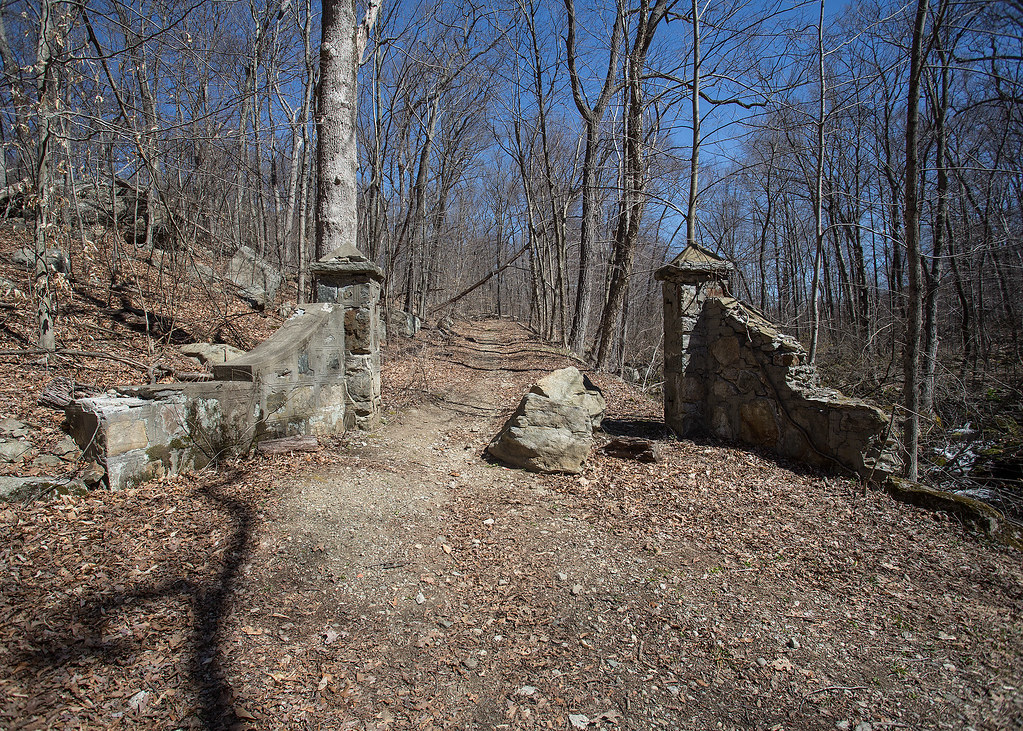
Image result for photo of taconic region of NY

(Taconic region of New York State)

For those who enjoyed Caleb Carr’s THE ALIENIST and THE ANGEL OF DARKNESS his latest effort is something to look forward to.  It takes place up in the Taconic area of New York state called Surrender, hence the title SURRENDER, NEW YORK.   The novel’s narrator is Dr. Trajan Jones, a former criminal psychologist and profiler for the NYPD, who suffers from the effects of childhood osteosarcoma that forces him to be bent over while working on his online forensic course that he teaches for SUNY Albany with his partner Dr. Michael Li, a trace evidence expert.  Their classroom is an old fuselage of a pre-World War Two Junker that Jones’ father purchased and flew to his sister’s farm in Burgoyne County, NY.  Dr. Li is about to begin Skyping with his class when Deputy Sheriff Pete Stienbrecher pulls up in his patrol car and asks them for their assistance in a murder case.  Jones and Li had been run out of New York because of their unorthodox methods and opposition to “forensic corruption” that has dominated some news cycles.  Both men have a low opinion of CSI types who are so popular on television.  When they arrive at the crime scene, there is a lot that is unspoken by Sheriff Steve Spinetti, particularly what is meant by “a series of murders” involving teenage girls.  When Dr. Ernest Weaver, the Medical Examiner pronounces that the death of the fifteen year old girl “is cut and dried, murder of a teenage runaway, with possible sexual implications,” Jones and Li are very skeptical, as Weaver’s conclusions make little sense.

As Carr develops his plot his own views of the criminal investigative system emerge.  Through Jones and Li, Carr complains that bullying, incompetent collection and observation of evidence made the chain of forensic investigation fatal to the field’s ascension to a true science.  He argues that investigators have “careerist ambition” that leads to “tunnel vision” whereby supposed experts see and hear only those facts and theories that reinforce their initial impressions and suspicions in order to satisfy their law enforcement superiors to solve the case quickly.  Carr calls this “cognitive shortcuts, that make ones initial; instincts, prejudices, and simple hunches appear the result of legitimate intellectual processes.”  It is obvious that the author has a distaste for CSI television programs as they create expectations in investigating real crimes that are not achievable.  For Jones and Li their work is hampered by serious political and turf battles as people above the Sheriff and his Deputy have political ambitions and are willing to “select, blend and pervert evidence in these murder cases to suit their own agendas.”  Throughout the book there is a great deal of social commentary that is both caustic and thoughtful that enhances the flow of the novel.  Another important area of concern deals with children that are abandoned by their parents so they have to make way all by themselves with little or no resources.  Jones analyzes and has great sympathy for these “throwaway children,” especially when all the murder victims seem to fit that description.

The novel revolves around Dr. Jones and Dr. Li becoming drawn deeper and deeper into the investigation until it becomes extremely dangerous.  It appears that there is a force that does not like where their investigation is leading them.  The political powers that the doctors are up against want to blame the murders on a serial killer, but Jones and Li believe it has more to do with the actions of the “throwaway children” which is seen as an embarrassment to state officials, and evidence that leads back to New York City.    When people who work with Jones and Li are attacked, the doctors realize how precarious their position is, and from this point on the novel becomes addicting.

The relationship between Jones and Li is very similar to Sherlock Holmes and Dr. John Watson.  Their banter throughout the novel is fascinating as they conjecture about the victims they investigate as well as the state of forensic pathology as they apply it to their current and past cases.  They seem to mirror each other’s thought patterns and apply deductive logic in reaching similar conclusions.  Their interactions are unique and entertaining as they are masters of wit and sarcasm as their dialogue contains many important conclusions for the murders they are trying to solve.  Their approach is very flexible and resilient as they try and incorporate new methods and ideas to assist them, for example Li’s use of a portable X ray unit developed for veterinarians and the military for their cases.  Their flexibility is also reflected with their relationship to a fifteen year old boy named Lucas Kurtz.  Kurtz is another example of the “throwaway children,” but in his case he runs into Jones on his property and the doctor is impressed with the young man’s precocious nature and intelligence and as a result makes him a junior partner in their investigation as a junior investigative trainee.  Jones’ reasoning is clear, he and Li are investigating the murder of fifteen year olds, why not use an expert of that age group.  In addition to Lucas, Carr introduces a number of interesting characters.  Derek Franco, Lucas’ autistic friend, also a “throwaway child” who has been adopted by Lucas’ sister Ambyr, a twenty year old blind women who is exceptionally bright, caring, and ultimately cunning.  Adding to this group is Jones’ aunt Clarissa, who took him in when he was recovering from cancer, along with Li to live on her farm, and Jones’ large pet, an “African hunting dog” named Marcianna.

According to Michael Connelly, Carr’s work “is charming and eloquent between the horrors it captures,” further by linking his story and “making Jones the world’s leading authority on Laszlo Kreizler – the Alienist,” Carr is celebrating “the dawning era in the application of science to crime detection, from fingerprinting to other means of physically and psychologically identifying suspects [as] Carr now uses Jones to sound the warning that things may be going awry.  Forensics should not be treated as faith.” (NYT, August 15, 2016)  Dr. Trajan Jones is a wonderful character to build the novel around.  He is an empathetic figure with a sense of what is wrong with society and how it might be improved.  His engaging manner will capture the reader’s attention, and the result will be a very satisfying few days immersed in a painful, but real story.

Image result for photo of taconic region of NYTitle: Surrender, New York, Author: Caleb Carr

(Taconic region of New York State)


1956: THE WORLD IN REVOLT by Simon Hall

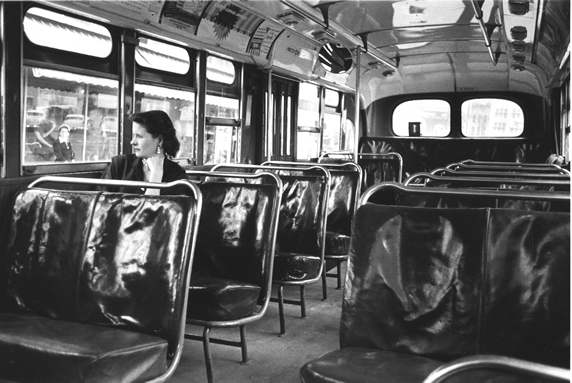
Image result for photos of montgomery bus boycott

(Montgomery, Alabama bus segregation, 1956)

During my forty two year teaching career my students repeatedly complained when I used the term “watershed date” in class.  There are certain dates in history that deserve that characterization, i.e.; 1648 the dividing line between the Medieval and the modern, 1789 the year of revolution and of course 1989 the collapse of the Soviet Union, among many others.  Often historians seem to come up with new dates, arguing its historical significance, and in Simon Hall’s new book 1956: THE WORLD IN REVOLT, the author chooses a year that probably qualifies as a “watershed date.”  The year 1956 witnessed a number of important events that include the Suez War, the Soviet invasion of Hungary, the Montgomery bus boycott in Alabama, the Polish uprising, the Algerian Civil War, Nikita Khrushchev’s destalinization speech, the independence of Ghana, and important events in South Africa, Cuba among many others.  Trying to write a complete history of all of these events is a daunting task that for Hall, falls a little bit short.  The author makes a valiant attempt by introducing the main characters through biographical sketches and goes on to explain what has occurred and why it is important.  The problem for Hall is carrying out his theme of anti-colonialism and the rise of independence movements, while trying to effectively link them all together globally, a truly difficult task.

Image result for photos of algerian civil war 1954

(Algerian Civil War independence movement)

Today we acknowledge the sixtieth anniversary of the Suez War and the Hungarian Revolution with a number of new books appearing particularly monographs by Michael Doran and Alex von Tunzelmann, which are narrower in focus than Hall’s work.  The author teaches at the University of Leeds and has published a number of works on civil rights and the protest movements of 1960s.  Hall sees 1956 through a much wider lens in which the European powers refused to fully relinquish their imperial ambitions, the so called “people’s democracies” of eastern Europe were confronted  by further Soviet oppression, and in the United States and South Africa white supremacists tried their best to retain racial control.  The book is broken down into a series of chapters that seem to jump from one topic to another with a closing paragraph that tries to create continuity with the next chapter.  This technique is very informative from a narrative perspective, but linking the history of Rock n’ Roll to civil rights and independence movements is a bit of a stretch.  At times this technique does work as the Algerian Civil War impacted other colonial struggles in Cyprus, Ghana and other areas.

Hall devotes a great deal of time to the Suez Crisis that resulted in war at the end of October into November 1956.  His narrative is spot on but he does not add anything new to historical analysis.  His discussion of Gamal Abdul Nasser, Guy Mollet, Anthony Eden, President Dwight D. Eisenhower and David Ben-Gurion are accurate and provide insights into how the drama unfolded and was settled.  Hall relates Suez to events in Poland and Hungary as the war provided cover for the Soviets to crush descent in its satellites.  It was able to avert a military incursion of Poland through threats, and in Hungary the Soviet army crushed the revolution with tanks and infantry.  Hall introduces Soviet Premier Nikita Khrushchev, Wladislaw Gomulka, Imre Nagy, and the workers and intellectuals who stood up for their principles as best they could. These events were fostered by Khrushchev’s February 20, 1956 Speech to the Soviet Party Congress where he denounced Stalin and his “cult of personality” and argued that countries could take a different path to socialism.  The Soviets let the genie of freedom out of the bottle and throughout the Soviet bloc people began to call for greater rights.  As events in Hungary showed the forces of freedom went too far for Soviet tastes.   As Marxist historian Eric Hobsbawn stated “the October Revolution created a world communist movement, the Twentieth Congress destroyed it.” (381)

Image result

(Hungarian people demonstrating against Soviet oppression knock down statue of Joseph Stalin in Budapest)

Hall makes many astute comments in the narrative.  His discussion of the strategy employed behind the scenes during the Montgomery bus boycott and the leadership of Martin Luther King and how he relates the strategy of non-violence pursued by civil rights leaders in America and its impact on events in Africa and Asia are important.  The strategies and ideology of the white supremacists blaming calls of integration and greater civil rights for all citizens as a communist plot, just played into the hands of Soviet propaganda as it was crushing the citizens of Budapest with tanks.  Hall is perhaps at his best when discussing the origin and the course of the Algerian Civil War. His explanation of how one million European settlers living in Algeria dominated a Muslim population of over nine million reflects the basic problem.  Of these one million Europeans, about 12,000 owned most of the industry, media and fertile land in Algeria.  Hall explains the creation of the Front de Liberation Nationale (FLN) and describes its leadership and strategy as the bloody civil war that Alistair Horne calls the “A Savage War of Peace” in his excellent study of the conflict progresses from its origin in November 1954 and would not end until 1962.

Image result for photos of trial of Nelson mandela 1956

(Nelson Mandela, imprisoned in South Africa, 1956)

Hall’s final chapter is very timely as he describes the rise of Fidel Castro and his 26 July movement.  It is especially relevant today as this morning we learned that Fidel passed away at the age of ninety.  Hall explores Fidel’s rise and how he created his movement with his brother Raul, Che Guevara and eighty Marxist guerillas, and why it was so successful, in addition to its impact in the western hemisphere and Africa.

Overall, the book is extremely well written, though it relies too often on secondary sources.  If you are looking for a general history of world events with a global perspective that seems to come together in the mid-1950s that impacts Europe, Asia, Africa, and the Americas for decades, then Hall’s effort might prove a satisfactory read.

Image result for photos of montgomery bus boycott

(Montgomery, Alabama bus boycott, 1956)

Steve Berry Novels

(Author, Steve Berry)

Over the years I have developed a proclivity towards certain authors.  In the realm of historical fiction one of my favorites is Steve Berry.  Mr. Berry has published eleven novels in his Cotton Malone series.  Each is a thrilling read as they develop like a puzzle as each character, historical conundrum, and a suspenseful plot fits together like a glove.  I have recently read three of Berry’s novels, THE VENETIAN BETRAYAL, THE CHARLEMAGNE PURSUIT, AND THE PARIS VENDETTA all are stimulating for those who enjoy this genre and are thoughtful as the personal backgrounds of the characters and the historical context that is explored emerges.  The reader travels to Venice, Central Asia, and France as each mystery unfolds whether characters deal with the legacy of Alexander the Great, Charlemagne, or Napoleon as each plot builds on the past to the current issues of terrorism, world finance, or the world balance of power.

Berry’s protagonist Cotton Malone is a former naval officer, US Justice Department agent in the Magellin Billet that specialized in international cases who retired from the government and purchased a bookstore in Copenhagen.  Malone served as a government agent for twelve years and retired at a fairly young age for an individual with his skills.  He was on a case in Mexico City two years before he quit and witnessed the shooting of Mexican prosecutor Elena Ramirez Rico and her significant other Cai Thorvalsen, a Danish diplomat serving in Mexico City, and the son of Malone’s close friend the reclusive billionaire Henrik Thorvalsen.  Malone was wounded during the shooting and for him that was enough.  Thorvalsen approached Malone and offered to sell him the bookstore and the friendship flourished.  They became involved in a number of important situations and they become best friends.  Thorvalsen never gets over the murder of his son and his character is dominated by his feelings of loss and revenge.  Other important characters include Cassiopeia Vitt, an archeologist, scholar, and a women of many martial talents.  In addition, the reader will become familiar with Stephanie Nell who heads the Magellen Billet, and was Malone’s boss at the Justice Department.  Other characters that are included range from National Security advisors to the president, the president himself, other government agents, and a series of terrorists, financial wizards, and other unscrupulous individuals.  Alongside these people are historical personages that Berry relies on to enhance his story lines.

One of my favorite Berry novels is THE ALEXANDRA LINK where the reader is presented with a series of questions; what if the biblical basis for the Israeli state was incorrect?  What if the real evidence for the creation of the Jewish state was in western Saudi Arabia?  What if the ancient translations that led to the writing of the Old Testament from old Hebrew and Greek were open to an interpretation that could destabilize both Israel and Saudi Arabia and reorient the geopolitics of the Middle East?  Intertwine the writings of St. Augustine and St. Jerome; add some nefarious characters that would stand to enhance their power and monetary profit, and sprinkle in American politics and you have a stunning novel.

Another favorite is THE LINCOLN MYTH which has as its main theme the concept of secession and whether the Founding Fathers may have supported the idea that the union of the United States was not a perpetual one.  Berry develops a scenario for Malone to solve that focuses on Brigham Young, the leader of the Mormon Church in 1854 predicting that the Civil War would occur and that would end the persecution of Mormonism.  Young will inform Lincoln where Mormon gold was stored, and Lincoln will provide a document, signed by the Founding Fathers, that said individual states possessed the right to leave the union.  There are six more novels in the Cotton Malone series and I look forward to reading the few I have missed including his latest THE 14TH COLONY that deals with Canada, an American constitutional crisis, and a former KGB officer.

If you enjoy counterfactual history, in depth character development, and being kept on the edge of your seat Berry’s Cotton Malone series is for you.   For in depth reviews of Steve Berry’s books visit http://www.docs-books.com.

THE PARIS VENDETTA by Steve Berry

Image result for photo of the louvre paris

(The Louvre Museum, Paris)

Steve Berry’s novel, THE PARIS VENDETTA provides his usual blend of wonderful primary and secondary characters, intensity, reflecting a firm grasp of history, and the ability to bring the reader to the edge of their seats.  The book is the fifth installment of the Cotton Malone series.  Malone is a former naval officer, US Justice Department agent in the Magellin Billet that specialized in international cases who retired from the government and purchased a bookstore in Copenhagen.  For the first time we learn the details as to why Malone retired at a fairly young age for an agent with his skills.  He was on a case in Mexico City two years before he quit and witnessed the shooting of Mexican prosecutor Elena Ramirez Rico and her significant other Cai Thorvalsen, a Danish diplomat serving in Mexico City, and the son of Malone’s close friend the reclusive billionaire Henrik Thorvalsen.  Malone was wounded during the shooting and for him that was enough.  Thorvalsen approached Malone and offered to sell him the bookstore and the friendship flourished.  They became involved in a number of important situations that have been told in earlier novels.  In the current case it seems that after two years Thorvalsen has identified who killed his son, an action that had devastated the Danish aristocrat and for him revenge and the humiliation of the man responsible was foremost in his mind.  It seems that two men Amando Cabral and Lord Graham Ashby, men who traded in stolen antiquities were about to be charged in a Mexican court for their activities when the killings took place.  Malone was able to kill Cabral, but Ashby, the man who Thorvalsen blamed remained free.

Image result for map of corsica

It would not be acceptable for a Berry mystery to just be about murder and revenge and THE PARIS VENDETTA is no exception.  Berry’s novels immediately create a puzzle with each component of the story carefully crafted to arouse the reader’s curiosity, and the current volume is no exception.  At the onset of the plot Berry introduces Napoleon Bonaparte into the equation.  We meet the French dictator in Cairo fourteen months after he has conquered Lower Egypt.  While examining the Pyramids Napoleon decides he must return to Paris because the ruling Directory is not following the revolutionary agenda and has made enemies of most of Europe.  Napoleon’s supposed wealth becomes a major factor in the story’s development.  We are led to Corsica and other environs as Ashby and others seek the deposed dictator’s cache, if in fact it exists.  Further, the Napoleon’s writings become important because according to Thorvalsen the key to uncovering Napoleon’s wealth is in his personal library.  For Ashby the cache is extremely important because of financial difficulties and he is hell bent to locate it.  It seems that Lord Ashby, a “rich” English banker, a possible double agent for the United States, and investor in one of England’s most important financial institutions has made a number of poor decisions and even though his situation has improved by uncovering Edwin Rommel’s gold hidden in Corsica in 1943 he needs further funds.

Image result for photo of napoleon

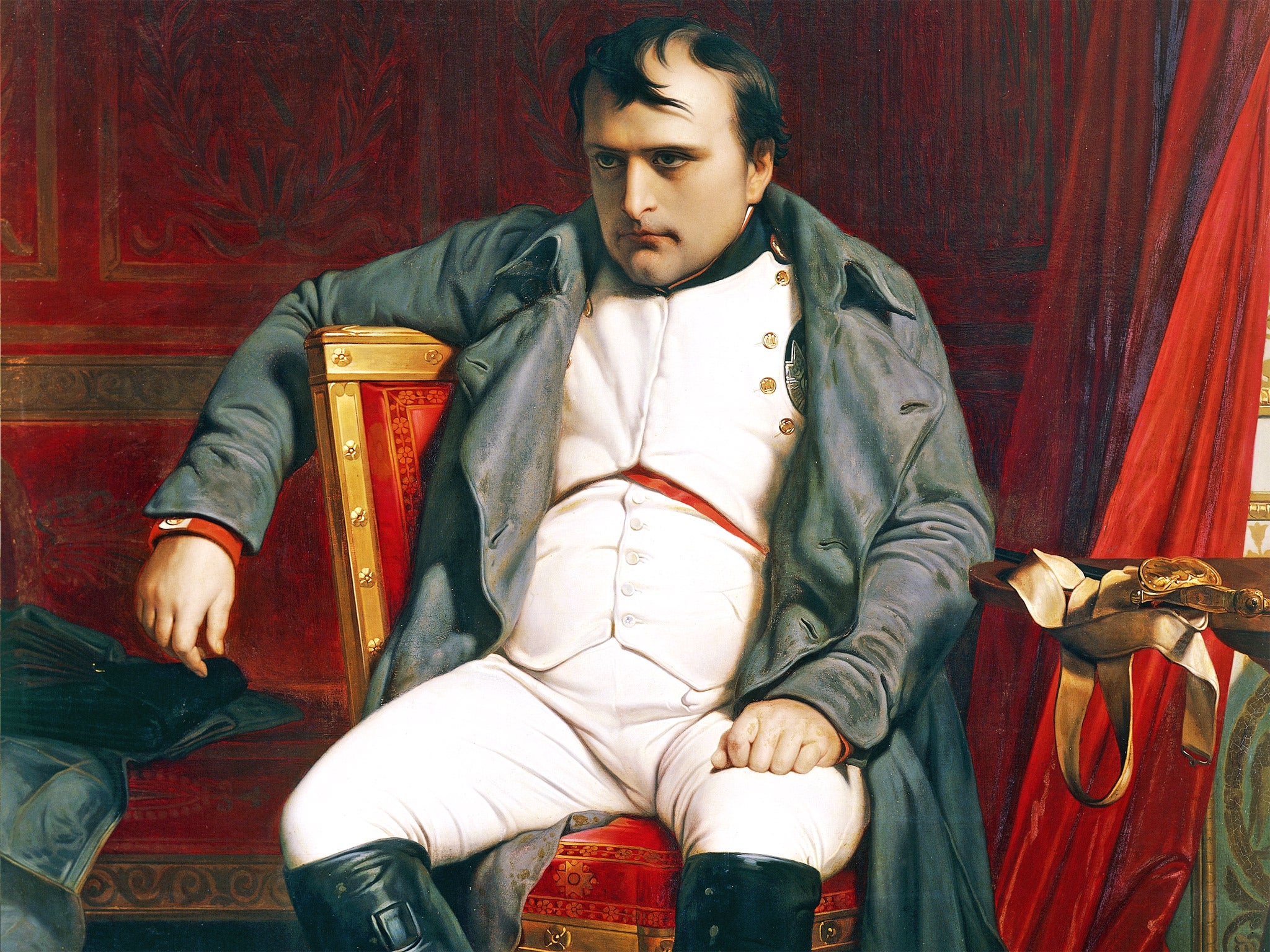
(a defeated Napoleon)

Another thread in the story is seen through the character of Eliza LaRocque, a rich woman who has maintained a vendetta against the Bonaparte’s since the time of the French emperor’s reign due to how her ancestors were treated.  She has gone on to create the Paris Club, a group of billionaires whose main goal is to influence world markets and financial institutions as a vehicle to enhance their wealth, even if she exploits the terrorist threats.  She joins forces with Ashby, but each have their own agenda in uncovering Napoleon’s cache of wealth.  In addition, Berry introduces the reader to Sonny Collins, an American secret service agent whose bosses have questioned his quest to expose financiers who continue to enhance their wealth financing debt, and wars in particular.  Thorvalsen introduces Collins to Malone and after laying the groundwork in the first part of the book the plot is enhanced, particularly when the international terrorist Peter Lyon is introduced. The question that must be asked is how do all of these characters fit together, and how does Malone navigate the complex situations he finds himself in because of his friendship with Thorvalsen.

Berry’s observations and historical background presented ring very true, especially his remarks about Napoleon and contemporary French society.  Berry’s astute remarks regarding religious and ethnic polarization in today’s France, keeping in mind that THE PARIS VENDETTA is published in 2009, points to the marginalization of France’s Moslem population and the rise of the political right.  If one is looking for a reason why ISIS has been able to create such havoc in France during the last calendar year all one has to do is look to how people of the Islamic faith have been treated in France.

Overall, Berry maintains the quality of knowledge and plot that pulse through the entire Cotton Malone series, and if you are interested the next installment is THE EMPEROR’S TOMB.

Image result for photo of the louvre paris

(The Louvre Museum in Paris)

THE CHARLEMAGNE PURSUIT by Steve Berry

Image result for photo of charlemagne

(Charles the Great-Charlemagne king of the Franks and Holy Roman Emperor)

I have been searching for a post-election tonic as I contemplate the future.  My solution has been Steve Berry novels.  Having just completed THE VENETIAN BETRAYAL I have moved on to THE CHARLEMAGNE PURSUIT to keep my mind from contemplating what a Trump administration might produce.  Mr. Berry did not let me down as he weaves “historical license” with an imaginative mystery to keep me grounded.  Berry’s protagonist remains Cotton Malone, a former naval officer and a member of the Justice Department’s top secret overseas Magellan Billet.  In THE CHARLEMAGNE PURSUIT, the fourth in the Malone series we meet a more personal and introspective character as the novel begins in November, 1971, where Commander Forrest Malone of the USS Blazek, a nuclear powered submarine operating under Antarctica is confronted by a number of issues, the most dangerous of which is a leak of potassium hydroxide fluid that poisons the air on board and Malone’s twenty six year naval career, along with his crew comes to an end.  Cotton was ten years old when his father died aboard the submarine and the government never offered a detailed explanation of what had gone wrong.  Later in life during his naval and Justice Department careers Cotton tried to learn the truth to no avail.  After a nasty situation in Mexico had transpired, Malone decided to retire and purchased a bookstore in Copenhagen.  A few years later the death of his father and the lack of information continued to gnaw at Malone and he convinces his former boss at the Magellan Billet, Stephanie Heller to provide him with naval documents that might lead to the truth.  After receiving an envelope while in Gamisch, Germany with a report on the USS Belzak, Malone is attacked and escapes.  The report from the US Navy Court of Inquiry is nothing more than the navy’s varnished version of what occurred and the misinformation enclosed drives Malone to continue his quest.

Image result for photo of Charlemagne

As is usual in a Berry novel the plot includes a version of history that is suggestive of a counterfactual approach.  In this case it involves Charles the Great, a.k.a. Charlemagne the King of the Franks and Holy Roman Emperor.  Berry would have the reader believe that in 1000 AD Otto III wanted to try and reconstitute Charlemagne’s empire, and proof is offered by a small volume that was taken from Charlemagne’s mausoleum.  The volume is in the possession of Dorothea Lindauer, a woman who claims that her grandfather was also killed on the USS Belzak.  The plot becomes very complex in that her grandfather was a Nazi, Hermann Oberhauser, who Heinrich Himmler had placed in charge of the German Ancestral Heritage – the society for the study of the history of primeval ideas designed to unearth evidence of Germany’s ancestors back to the stone age and reinforce many of Himmler’s peculiar racial beliefs.  It seems that Lindauer has a twin sister Christl Falk who approaches Malone to try and learn the truth of what took place in 1971 under the ice in Antarctica.  Further complicating the story is the fact that Oberhauser took part in a Nazi expedition to Antarctica in December, 1938 designed to see if Charlemagne’s teacher and biographer, Einhard’s book was in fact correct.

Image result for photo of antarctica

(Antacrtica)

If this is not confusing enough US Naval Intelligence head, Admiral Langford C. Ramsay has his own agenda when it comes to the USS Belzak.  Ramsay, a man who has further career ambitions dispatches an assassin to take care of anyone who is digging into the events of November, 1971.  It also seems that Edwin Davis, a deputy national security advisor to the president has an interest in learning the truth and despises Ramsay making for a series of interesting alliances among all the players involved.  The question is why does Ramsay go to such extremes after thirty eight years to maintain the navy’s cover-up of the sinking of the USS Belzak?  The story has reverberations of the Cold War with the Soviet Union, the pursuit of justice, the concerns of an ancient historian, the plight of the USS Belzak, the belief in the “Watchers” or the “first civilization” that the Nazis believed was Aryan in origin, and the death of Malone’s father, but what do they have to do with each other?

In addition to the above, Berry’s complex plot involves a German family with three interesting characters whose centuries old family legacy is at stake.  Also, two deputy national security advisors to the president each with their own agenda, and of course the president.  All of these components are blended together nicely as Berry tries to keep the reader off balance.  Mission accomplished, and the result is an excellent foray into what could be a past civilization, the interests of Nazi Germany, a major cover-up by the US government, and a group of egos that cannot continence each other.  Try this book and enjoy – the next one up in the series is THE PARIS VENDETTA.

Image result for photo of Charlemagne