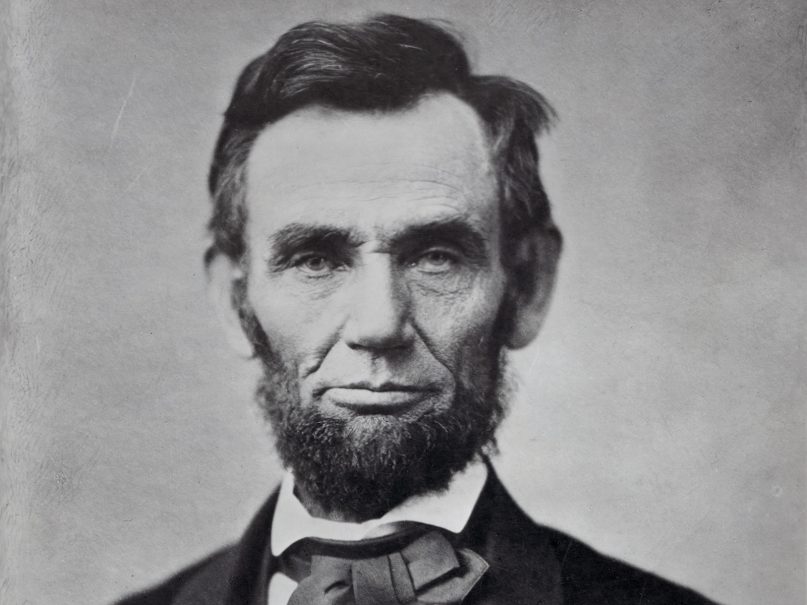
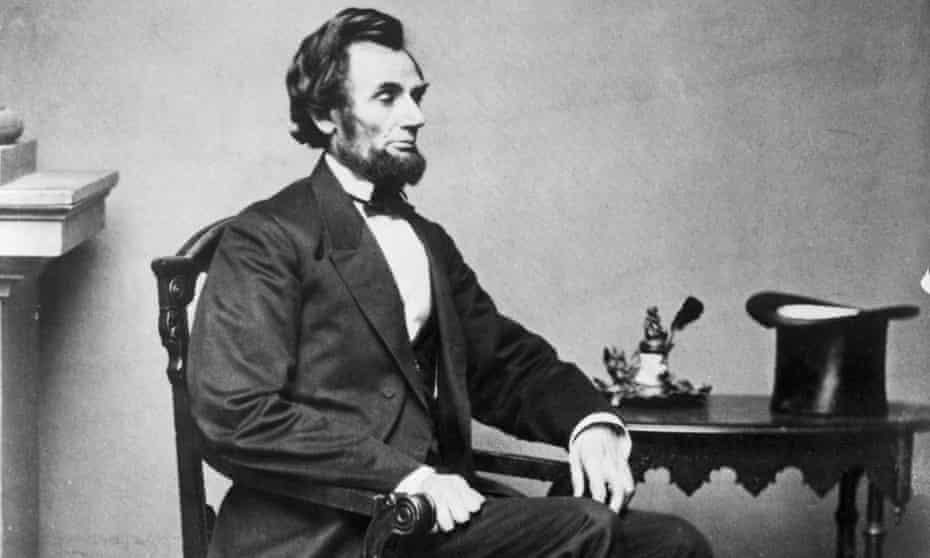
To date over 16,000 books have been written on Abraham Lincoln, so why another? In the current case, John Avlon a former Daily Beast editor, author of serious studies of political centrism, and a current CNN analyst has authored LINCOLN AND THE FIGHT FOR PEACE AND FREEDOM which takes a unique approach toward our 16th president. The book focuses on the six weeks from Lincoln’s second inauguration through his assassination as the Civil War finally concluded and the war over the peace had begun. According to Avlon, Lincoln evolved into the conciliator-in-chief in his approach to the south and was vehemently against a punitive peace. Lincoln sought to reunite the country through empathy, understanding, humility and a deep belief that in order to bring the country together after four years of war and over 600,000 casualties a reconstruction policy must be implemented that was perceptive of the needs and beliefs of the former enemy and bring about a coalescing of moderate political elements to block the extremists that remained on both sides of the political spectrum. For Avlon Lincoln’s approach to winning the peace would serve as a model for future post war negotiations, for example General Lucius Clay’s approach toward Germany after World War II to prevent the revanchism that took place after World War I.
Today our politicians are engaged in a form of political partisanship which at times places our nation at the precipice of civil war. No matter the issue; protecting children from the ravages of a failed gun control debate, overturning Roe v. Wade, the refusal to accept the results of a fair and free democratic election, the denial of voting rights, and numerous other issues makes it clear that something is broken in our political system. The question that confronts the American electorate is whether politicians, with their lust for power are so dug in their positions that the odds of any reconciliation between Democrats and Republicans, with extreme elements in both parties appears unlikely in the near future.
(Ulysses S. Grant)
In the state that we find our political discourse, John Avlon raised the banner of Abraham Lincoln to serve as a role model as to how we can fix, or at least reorient our body politic. Avlon begins his narrative on April 4, 1865, as the Civil War winds down with Lincoln’s visit to Richmond, Va. the capital of the defeated Confederacy. Unaccompanied by a large number of troops or any celebratory instruments the president walked the streets of the city with his son Tad greeting former enemy soldiers and citizens with compassion, humor, and kindness. Lincoln’s mantra was to heal the nation and not erase the history of the war – history required learning the right lessons, so we would not be condemned to repeat them. He was committed to stopping the cycle of violence, changing his focus from winning the war, to winning the peace.
Lincoln’s world view centered on three ”indispensable conditions:” no ceasefire before surrender, the restoration of the union, and the end of slavery for all time. “Everything else was negotiable. Lincoln wanted a hard war to be followed by a soft peace; but there would be no compromise on these core principles.” For Lincoln winning the peace meant if you failed to do so you would have lost the war. Lincoln worked without a historical parallel to guide him. He would establish a new model of leadership focused on reconciliation that would make a long and just peace possible – unconditional surrender followed by a magnanimous peace. Even though he would be assassinated five days after Robert E. Lee surrendered, in the last six weeks of his life that included his second inaugural address he articulated a clear vision that he hoped would result in a peaceful reunification of his country, “with malice toward none; with charity for all.”
(Tad Lincoln)
The fight for peace needed to be waged with the intensity that rivals war in order for the United States to be redeemed and serve as a beacon of universal freedom. To achieve this “unconditional surrender” was sacrosanct. Lincoln needed to eradicate the cause of the war – slavery and ensuring the rebels accepted a decisive defeat. Lincoln wanted a constitutional amendment ending slavery before the end of the war as he was fully aware that once the war concluded Congress would not have the courage to do so. “The 13th amendment was the political expression of unconditional surrender: there would be no retreat from the end of slavery.”
Avlon has written a highly readable account of how Lincoln hoped to achieve his goals dealing with a recalcitrant Congress and elements in the Confederacy who did not want to admit defeat. He takes the reader through the history of the final six weeks of Lincoln’s presidency step by step culminating in his assassination at Ford’s theater. Lincoln’s core beliefs can be summed up in the Biblical construct of the “golden rule,” a combination of common sense and the moral imagination to dislodge deeply ingrained prejudice.
(Frederick Douglass)
Avlon has the uncanny ability to apply his phrasing to portray Lincoln’s soul be it a visit to City Point, Va. to reach out to wounded Confederate soldiers to his tearful and heart felt reaction to the carnage of war when he visited battlefields. Avlon is able to convey the substance of Lincoln on a personal and public level as he grappled with bringing the war to a conclusion and at the same time set the foundation of lasting peace through reconciliation and understanding. At times it seems Lincoln may have been too lenient, but Avlon points to certain non-negotiable issues where the president’s back was stiffened where he refused to give in. As Lincoln biographer and historian Allen Guelzo writes it is “Lincoln who tells the African American soldiers of the Black 29th Connecticut that ‘you are now as free as I am,’ and if they meet any Southerners who claim to not know that you are free, take the sword and the bayonet and teach them that you are; for God created all men free, giving to each the same rights of life, liberty and the pursuit of happiness.”*
I agree with Guelzo’s analysis of Avlon’s overall theme in that “As much as Avlon is convinced that Lincoln’s “commitment to reconciliation retains the force of revelation,” “Lincoln and the Fight for Peace” is short on the exact content of that revelation for the postwar years. Frederick Douglass insisted in 1866 that “Mr. Lincoln would have been in favor of the enfranchisement of the colored race,” and Avlon is not wrong to see Lincoln favoring a reinvention of the South as a small-scale manufacturing economy to replace the plantation oligarchy that triggered the war. But Lincoln played his political cards so close to the chest that, beyond this, it is unclear exactly what directions he thought Reconstruction should take. It is still less clear whether even he would have been successful (had he survived the assassin’s bullet) in pulling any of it off in just the three years that remained to him in his second term.”
(Robert E. Lee)
Avlon possesses a tremendous faith in the words and actions of Abraham Lincoln during his lifetime and how they resonated in the last third of the 19th century through the end of World War II. As historian Ted Widmer writes, “Lincoln offers a boost of confidence at a time when our history, instead of uniting us, has become yet another battleground. With insight, he chooses familiar and lesser-known Lincoln phrases to remind readers how much we still have to learn from our 16th president. His book also offers an extra dividend, coming as it does in the midst of Ukraine’s agony. Avlon closes with the final sentences of the second inaugural address, and its hope that we can “achieve and cherish a just, and a lasting peace, among ourselves, and with all nations.” As Lincoln understood, the work of democracy at home is indispensable to the work of peace abroad. It is reassuring to have the case for each restated so cogently.”**
*Allen C. Guelzo, “A Lincoln for Our Polarized Times,” New York Times, February 15, 2022.
**Ted Widmer, “Lessons from Lincoln’s Leadership at the Close of the Civil War,” Washington Post, April 15, 2022.
For those who are familiar with the works of William Martin you have come to appreciate his Peter Fallon mysteries. Novels such as HARVARD YARD, THE LINCOLN LETTER, CITY OF DREAMS, THE LOST CONSTITUTION, and BOUND FOR GLORY are structured with two alternating time periods, one dating back a century or two to our contemporary world reaching climaxes when the two came together. Martin’s focus in other novels rests on the traditional chronological approach of historical fiction that includes; ANNAPOLIS, BACK BAY, CAPE COD, and CITIZEN WASHINGTON. After a ten year hiatus from his last novel, Martin has authored DECEMBER ’41 a supercharged work that adopts the traditional chronological timeline which develops a plot that was designed to culminate in the assassination of President Franklin D. Roosevelt, Christmas Eve, 1941 shortly after the Japanese attack on Pearl Harbor and a surprise visit of British Prime Minister Winston Churchill.
The novel itself has elements of detective mysteries from the 1930s and 40s with dialogue, scenes, and characters from that time period. Martin blends this approach with commentary about race, ethnicity, misogyny, and the role of the United States in the world. In a way Martin has taken a page from Philip Roth’s novel, THE PLOT AGAINST AMERICA raising the same issues but his effort is about defeating Roosevelt through assassination, while Roth focused on replacing Roosevelt with Charles Lindbergh in the White House.
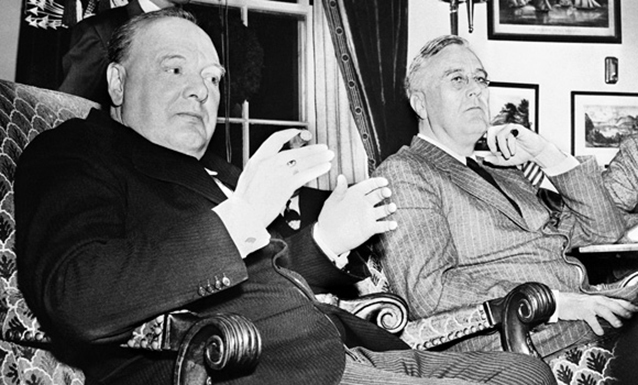
(Winston Churchill and Franklin Roosevelt sit in the White House in 1941)
Martin begins the novel as Roosevelt is addressing Congress with his “a date which will live in infamy speech” as the American people hung on every word from coast to coast. At the same time at a shooting range in a Los Angeles County canyon a group of Nazi sympathizers and spies engaged in target practice, one of which had plans to kill President Roosevelt.
Martin has created a scenario that at the time was not out of the realm of possibility, particularly after Adolf Hitler declared war on the United States on December 11, 1941. Martin develops three main characters; Kevin Cusack, a script reader at Warner Brother studios, Martin Browning, a virulent supporter of Nazi Germany and an American citizen, and Frank Carter, an FBI agent stationed in Los Angeles. The three characters evolve slowly and by the end of the novel they will all come together. Along the way there are a series of other personalities that play important roles. Vivian Hopewell, a starry eyed Marlene Dietrich look alike; Stella Madden, a hard nosed female detective; Madden’s flamboyant assistant, Bartholomew Bennet; Stanley Smith, a Pullman porter on a cross country train; Emile Gunst, a member of the German Bund who imports German ceramics; Helen and Wilhelm Stauer, Browning’s co-conspirators, and a host of other savory and unsavory characters.
The texture of the time period is front and center. The reader is provided glimpses into the Hollywood culture of the 1940s with cameos from John Wayne, John Huston, Hal Wallis, Humphrey Bogart, Erol Flynn, constant references to Leslie Howard, and what it took for a female to achieve stardom.
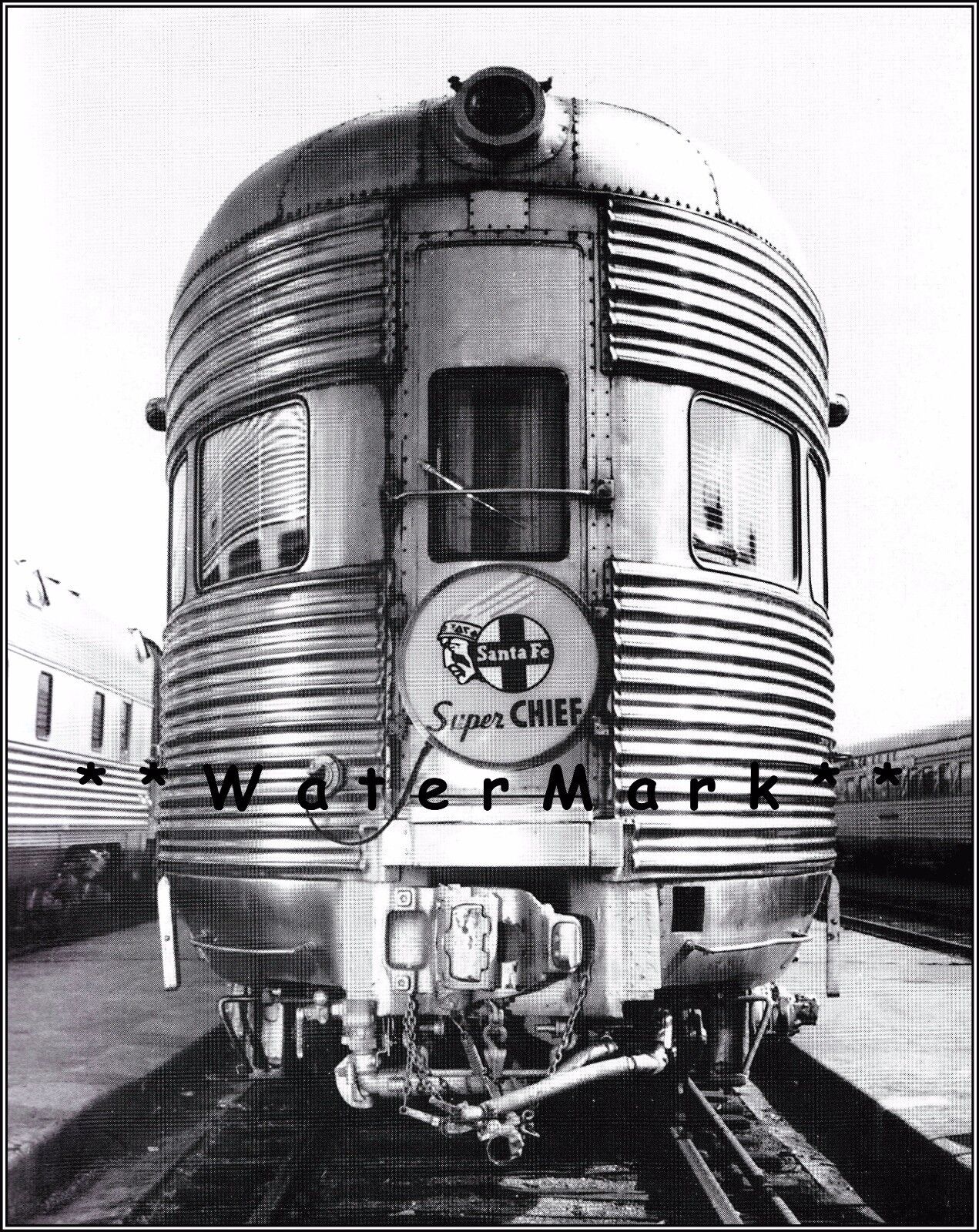
Martin also delves into topics which are still germane today and compares them to earlier examples in American history. For example, when discussing the inferior quality of American leadership, he points to Warren G. Harding. His approach to the world balance of power fosters a debate as to which is the greater threat, Communism or Nazism. The antisemitism of the period, the America Firsters, the KKK, and the Nazi ideology espoused by certain individuals is a dominant theme. In discussing the interaction between diverse characters, American racism comes to the fore particularly the role of porters on American railroads and trains with nicknames like “Super Chief.” In summary, the first half of the novel is not up to Martin’s usual standards in developing his plot. However, once a number of characters board a train from Los Angeles to the east coast the novel begins to gather steam. The question is has Martin written a storyline that is feasible, the answer is yes, but has he branched out and produced an approach that is new, the answer is no. In the end the novel is an easy read, but it is not as absorbing as his other efforts. When I picked up a William Martin novel I had great expectations. I anticipated something that was in the realm of previous Martin efforts, Ken Follett or Frederick Forsyth. However, the current work left me somewhat disappointed. Despite some exciting and heart pounding scenes, overall, it left me hoping for a plot that was more engaging with greater depth.
For decades, the most famous work of Holocaust literature, THE DIARY OF ANNE FRANK was required reading for many children. It is an important contribution to Holocaust literature in that it is one of the few primary sources that exists for a family’s day to day existence hiding from the Nazis. Anne Frank’s papers were discovered after World War II and were edited by her father Otto, the only family member to survive extermination and published the diary in Dutch in 1947, and later in English in 1952. There are many aspects of Anne Frank’s story that are shrouded in mystery, among them is the exact date of her death in Bergen-Belsen, probably some time with only weeks remaining in the war in Europe.
Another of the unknowns is how Nazi authorities came to learn the Frank family was in hiding. The question of who led Karl Josef Silberbauer, an SS Sergeant and two Dutch detectives on August 4, 1944, to Prinsengracht 263, a narrow building along one of Amsterdam’s canals to the Franks where the family was in hiding. Rosemary Sullivan’s latest book, THE BETRAYAL OF ANNE FRANK: A COLD CASE INVESTIGATION attempts to answer the questions surrounding the seizure and deportation of the Frank family resulting in the death of all except Otto Frank.
In 2016 Dutch filmmaker Thijs Bayens, and journalist Pieter van Twisk opened a further investigation with a team of Dutch investigators, historians, and researchers that included 27 year FBI veteran, Vince Pankoke. The team would be headed by Pankoke who treated the Anne Frank house as a crime scene, not a museum. “With the help of newly designed software that used artificial intelligence to seek out data, patterns humans might miss, Pankoke and his ‘Cold Case Team’ spent several years combing through historical records, and police files interviewing witnesses and their descendants and analyzing theories.”*
The results of the investigation coincided with the release of Sullivan’s monograph and created quite a stir resulting in the Dutch publisher suspending further dissemination of the book. One might ask what is gained by questioning how Anne Frank and her family were seized accomplishes. In a world where many argue that “it cannot happen here” all one has to look at is the increasing ideological divisiveness and the growing popularity of authoritarianism in the world today to see that it can occur and may be well on the way to doing so at present.
One of the main reasons for the creation of the Cold Case Team is that the Netherlands had a reputation of tolerance whereby Jews could seek shelter after the rise of Adolf Hitler. Despite this reputation the Netherlands transported more Jews to the death camps in the east than any other western European country. Of the 140,000 Jews living in the Netherlands 107,000 were deported, and only 5,500 returned. One of the questions Pieter van Twisk asks was why was the number so high?
Sullivan has authored a book that can be divided into two parts. The first, encompassing about one-third of the narrative focuses on rehashing the history of the Frank family and those involved in keeping the family safe in the annex behind the business at Prinsengracht 263, and the plight of Dutch Jewry upon the arrival of the Nazis. The role of a Dutch Judenrat (Jewish Councils), deportations to Buchenwald, the role of the SD Jewish Affairs squad known as unit IV B4 which centered on collaboration, and Kopgeld, bounty hunters, and executions are all explored. Any attempt by the Franks to emigrate to the United States ran into the wall constructed by the State Department led by Breckenridge Long, an anti-Semite who did all he could to thwart the entrance of European Jewish refugees into the United States. By 1943, Amsterdam was declared Jew free. There is little that is new or surprising, but it forms a useful lead into the second section which focuses on the organization, make-up, and implementation of strategies to try and figure out who turned in the Franks to the Nazis or was there another explanation as to how the Nazis came upon the annex.
Sullivan describes how the Cold Case team implemented modern law enforcement techniques that were not available after the war. Strategies such as behavioral science or profiling, forensic testing, artificial intelligence defined as computer systems able to perform such tasks as visual perception, speech recognition, translation between languages, and decision making were all employed. Scientists from Xomnia, an Amsterdam based data company that offered to provide the foundation for artificial intelligence that Microsoft agreed to develop further, stated that at some point the program algorithms should be able to predict what or who was likely a suspect.
Perhaps Sullivan’s most useful chapters center around the details of the investigation. The team was amazingly thorough in its approach. It investigated numerous theories and concluded that of the 27,000 Jews in hiding in the Netherlands, one-third had been betrayed. By the end of the investigation more than 66 gigabytes of data in the form of more than 7500 files was created. In so doing Sullivan concludes that suspects such as Job Jansen, who in the early on had denounced Otto Frank to the Nazis and is convinced his Jewish wife is having an affair with Otto Frank was innocent. Then there is Nelly Voskuijl, a Nazi whose sister was helping to hide the Franks. Another is Willem van Maaren, the warehouse manager who might have been after bounty money. Anton “Tanny” Ahlers, a currier for the NSB was a committed Nazi and bounty hunter but he like the others was not responsible for the seizure of the Frank family. Lastly, there is the case of Anna van Dijk, who from 1943 on laid traps to uncover where Jews were hiding, but there is little evidence that she turned the Franks in – but she was executed at the end of the war for turning in at a minimum 68 Jews and possibly over 200.
In the end the Cold Case Team singles out a Jewish notary Arnold van den Bergh and member of Amsterdam’s Jewish Council may have passed information about the Franks to the SS in order to save his own family. Sullivan’s exploration into the Cold Case spends the most time analyzing the role of van den Bergh and his relationship with Otto Frank and argues that the most logical culprit was the former notary for the Dutch Judenrat, but Vince Pankoke is not so certain, so we must conclude that the investigation was less of an unsolved mystery and more of a well kept secret on the part of Otto Frank.
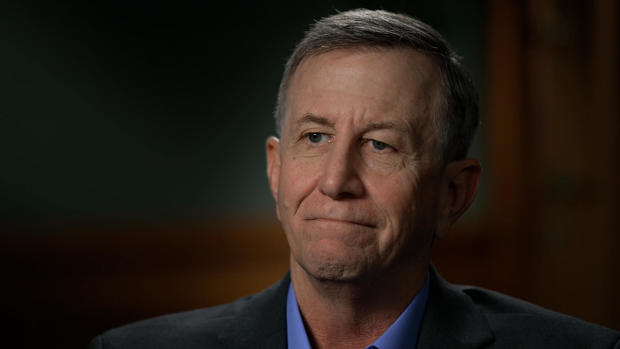
(Vince Pankoke)
As Ruth Franklin points out, “those who went into hiding were perhaps even more at the mercy of others. Anne was unusual in having a stable hiding place together with her family; most Dutch Jewish children were sent into hiding alone, since they were easier to hide than adults. There are many stories of abuse and exploitation of these children by their hosts, in addition to the larger risks that hiding entailed. Picture all those dots on the map: any one of those people could potentially have betrayed the Franks.” Or as journalist Kathryn Hughes concludes, Regardless, what Sullivan does manage to do is assemble a compelling picture of what it was like to live in Amsterdam under Nazi occupation: here is a collection of increasingly isolated individuals, hungry, terrified and daily faced with impossible choices about whether to save themselves, their loved ones, or the nice family that lives next door. And it is this moral vacuum that follows in the wake of antisemitism, rather than any particular “perp,” that betrayed Anne Frank.**
*Ruth Franklin, “Beyond Betrayal,” New York Review of Books, May 5, 2022, 20.
** Kathryn Hughes, “The Betrayal of Anne Frank by Rosemary Sullivan review – who tipped off the Nazis? The Guardian, 2 February 2022.
For an excellent discussion for the subject at hand consult Jane Eisner, “Searching for Anne Frank’s betrayer, finding a moral dilemma,” Washington Post, January 21, 2022.
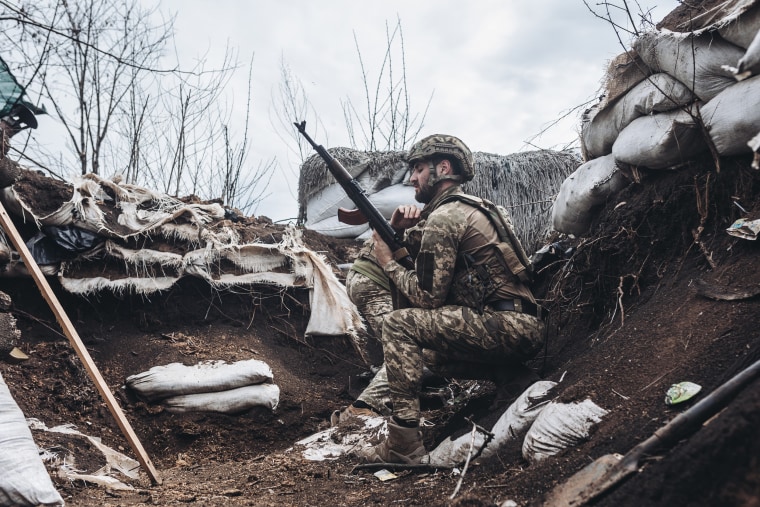
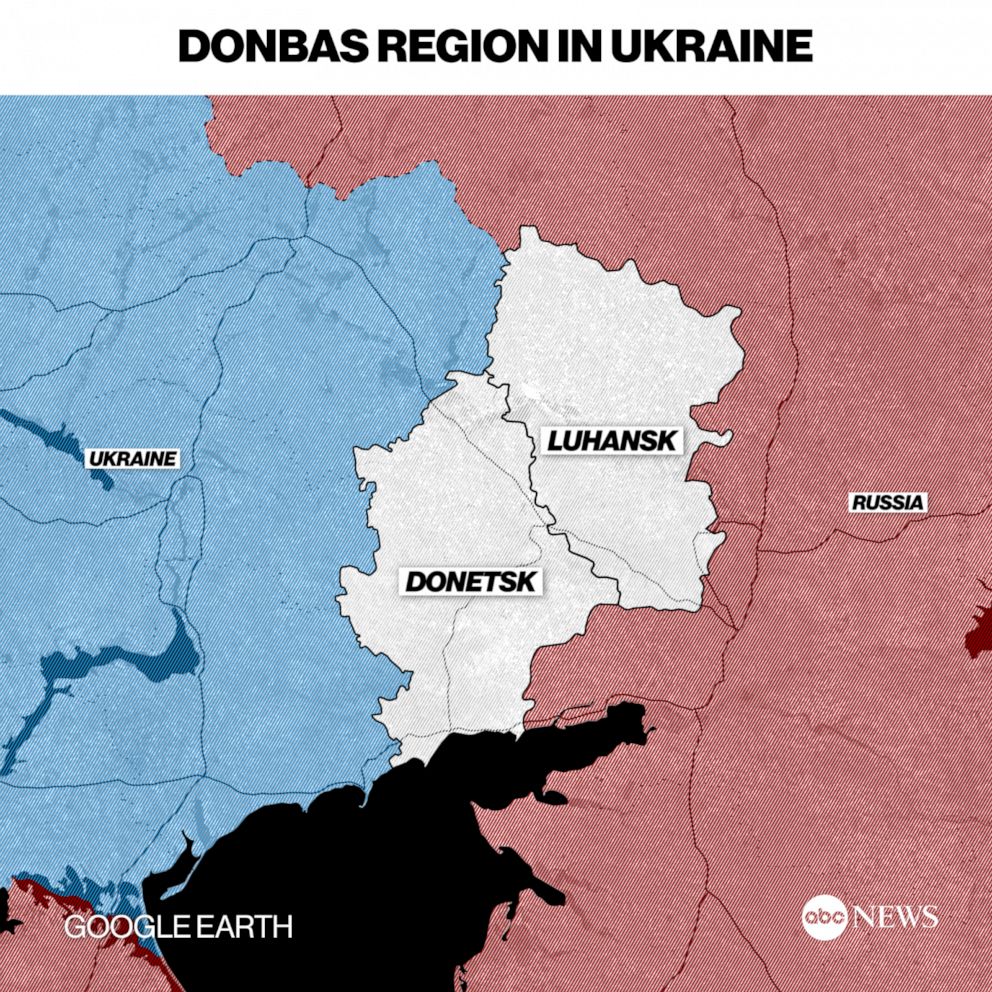
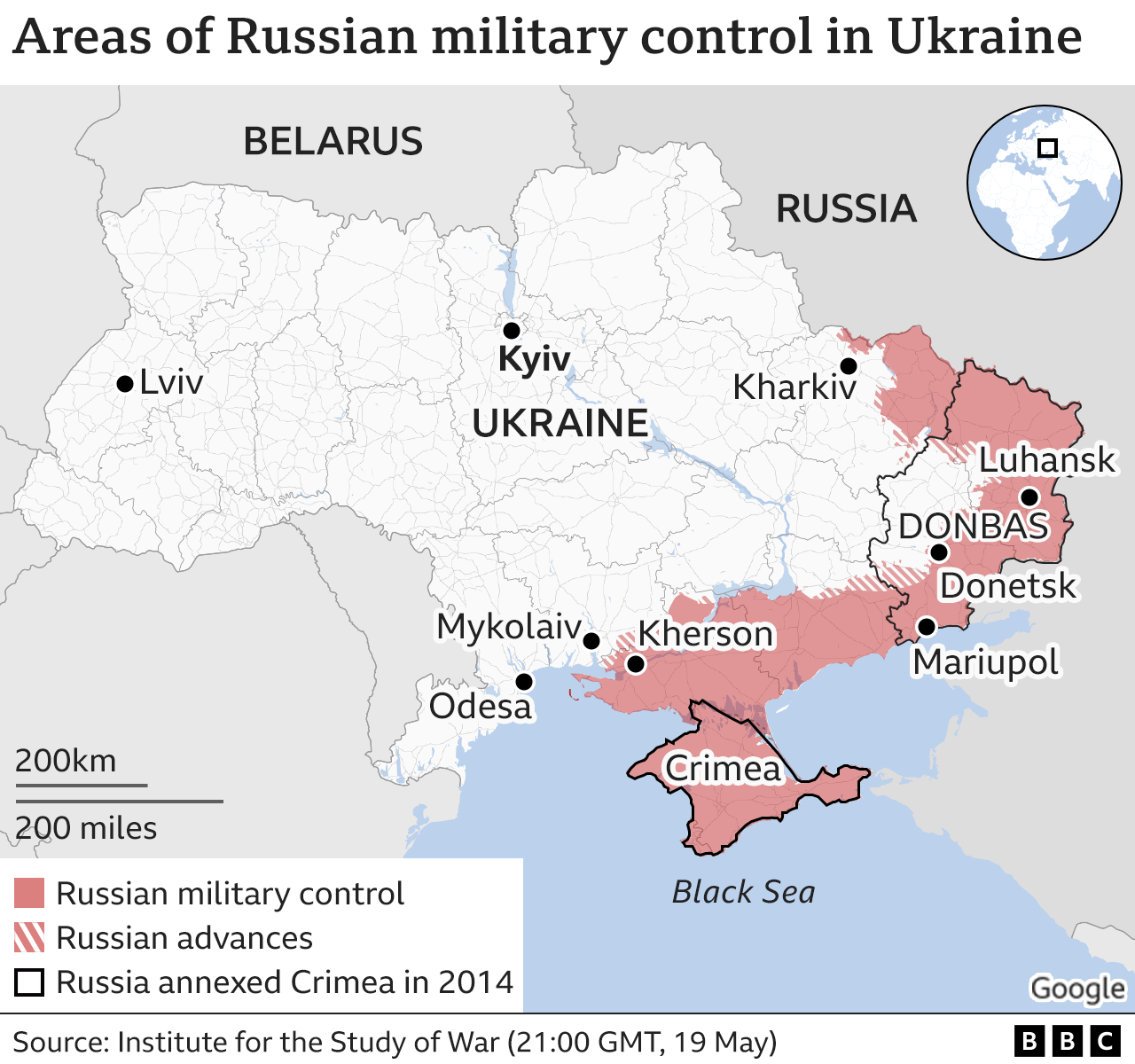
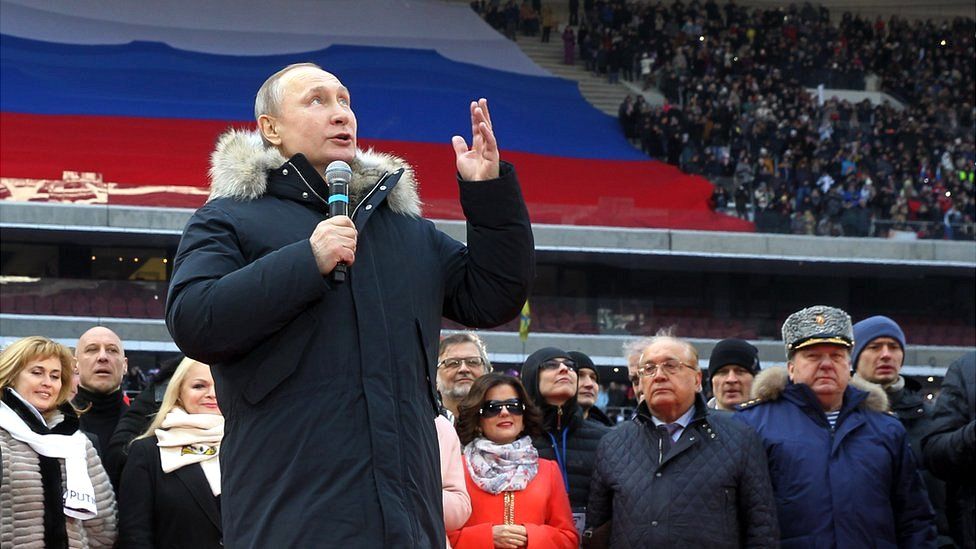
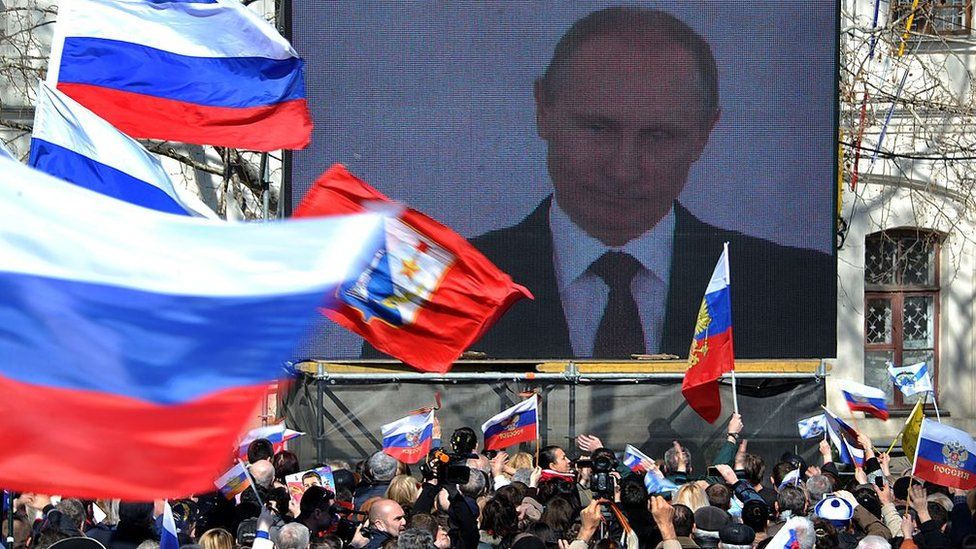
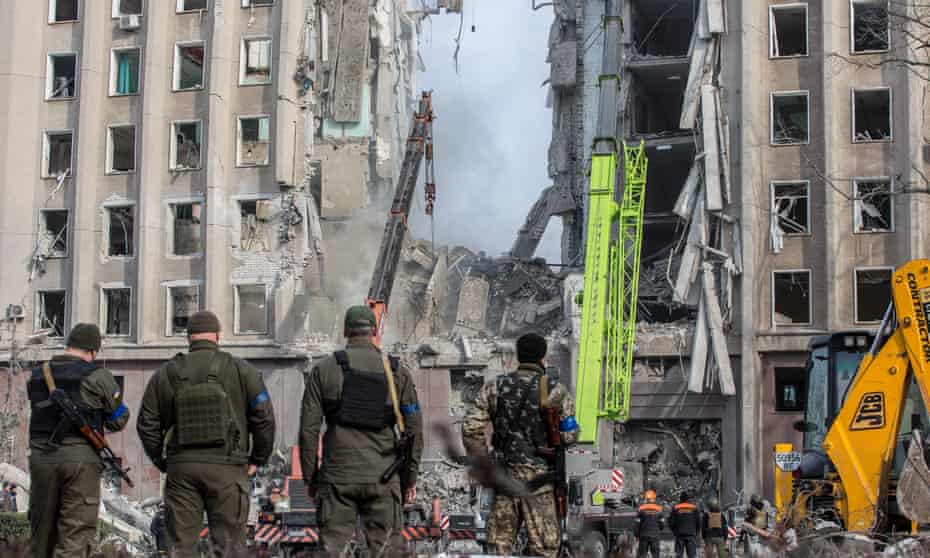
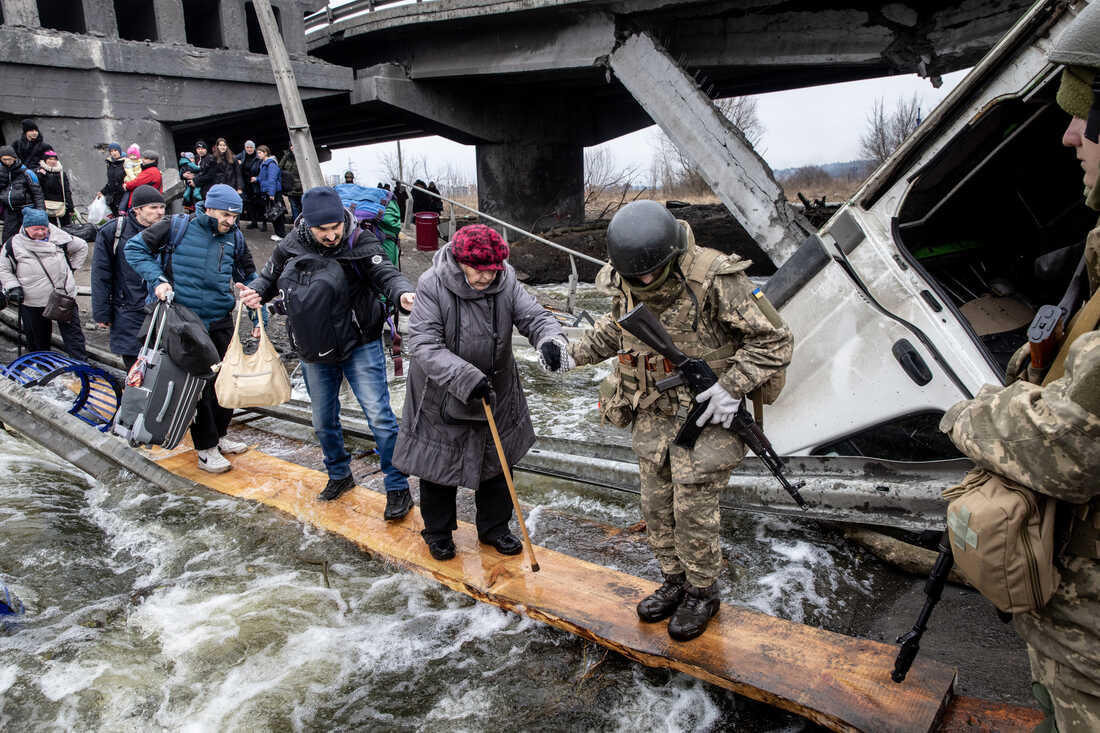
On May 9, 2022, Vladimir Putin stood in Red Square and celebrated the Russian victory over Nazi Germany. As he spoke the “Special Military Operation” he unleashed on February 24th grinds on with a death toll estimated at 26,000 for Russia and god knows how many Ukrainian soldiers and civilians, assuredly in the thousands. The war, a term which is illegal in Russia took a turn last month when Russian forces withdrew from the Kyiv region as Moscow decided to cut its losses in the west and concentrate its firepower in the east, particularly in the Donbas region made up of Luhansk and Donetsk two areas that have been at war with the Ukrainian government since Moscow annexed the Crimea in 2014.
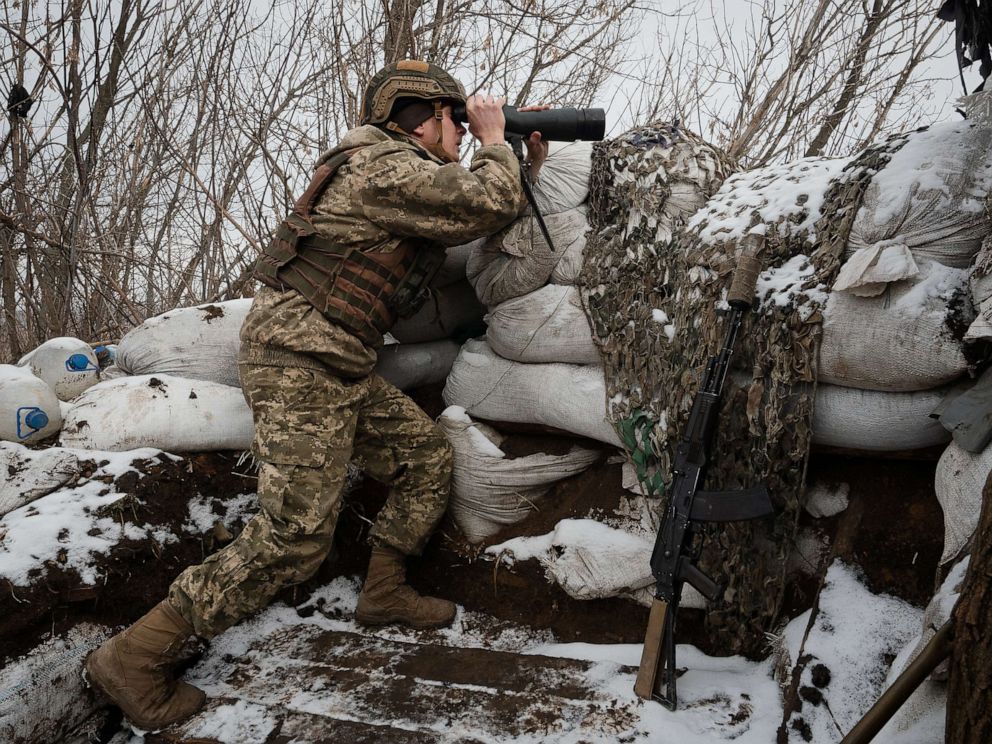
For the people living in the region who did not leave for Russia or safer parts of Ukraine, war has become an almost accepted part of their daily lives. Today the fighting has been brutal and mirrors the type of conventional battles that ground up thousands upon thousands of soldiers during World War II. Success for either side on the battlefield has been slow as Russia launches its missiles and artillery and Ukrainian forces try to stall the Russian advance and in certain areas retake villages from Russian troops. The people who are caught in this morass between the Ukrainian troops and pro-Russian separatists in the breakaway “people’s republics” of Donetsk and Luhansk live in what is referred to as the “grey zone.” No one knows exactly how many people remain in the area, but for those who have stayed the chief aim is survival. To ascertain what life is like for the residents of the eastern region, Ukrainian novelist, Andrey Kurkov has authored a haunting book entitled GREY BEES, a story about a disabled pensioner and devoted beekeeper – “one of the people of the Donbas.”
Kurkov’s protagonist is named Sergey Sergeyich who travels to Crimea where he hopes to arrange a holiday for his bees. Instead, his trip south turns into an ordeal as he witnesses the poor treatment of the Crimean Tatars by Russian authorities. Sergey tries to maintain neutrality between the two sides, but he develops sympathy for the Muslims and his beliefs create suspicion on the part of the Russian security service – the FSB, which is also a threat to his beloved bees.
The first part of the novel is devoted to Sergey’s life of isolation in the tiny village of Starhorodivka located in the grey zone between Ukrainian and Separatist soldiers. Sergey’s life is one of repetition, boredom, and survival. With no electricity and limited access to food his focus is clear – avoid snipers and travel only at night. The only other person who lives in the village is his “frenemy,” Pashka Khmelenko who seems pro-Separatist/Russia. Their relationship goes back to childhood and was never strong, but the situation they find themselves in draws them closer.
Sergey was married with a daughter, but after a series of disagreements his wife left taking their child with her. Sergey had been a mine inspector before the war, but by age forty-two he retired on disability with silicosis. Sergey’s outlook on life is clear, he must maintain his health as best he can for the sake of the bees. If he should pass away the bees would perish – he refuses to allow himself to “become the annihilator of hundreds of thousands of bee souls.” He believed such a sin would burden him through his afterlife. Sergey is firmly neutral in terms of political affiliation during the war – he only cares about his bees and worries what might occur to his society of beekeepers if Donetsk were to become independent since there was no society of beekeepers in that region.
The novel provides a window into the horror of what life is like in eastern Ukraine. The dominant emotion is how to deal with the silence between bombardments. Military silence which is not really silence becomes the norm as the shelling can come at any time – it becomes the accepted mode of existence for people in the region. Kurkov describes a grey area that had been consumed by mining, but Sergey looks forward to spring, whenever it arrives as it brings the beauty of nature that offsets the calamity of destructive warfare.
The second part of the novel evolves as increased shelling begins to disturb the hives, so Sergey loads up his bees in his Lada and travels from town to town finally reaching Crimea. As the story progresses Sergey finds it difficult to remain neutral as he sees how the Russian soldiers treat his beekeeper comrade, a Crimean Tartar named Akhtem and his family. Sergey’s commentary is enlightening as he compares the behavior of his bees with behavior during the Soviet period and wonders why his bees are acting like humans.
For the author, “civil society” could learn a great deal from Sergey’s bees. In addition, Kurkov’s story and dialogue point to the timelessness of war. For Sergey and others, telling time serves no purpose, only the seasons matter.
During his journey to Crimea, time is of the essence as Russian authorities will only grant him a ninety day pass. As he travels on, Sergey meets a number of people that will influence his journey and alter his perceptions of the human condition. Gayla, a woman who operates a food store, wants him to stay with her. Aisylu, the widow of his bee colleague, Akhtem provides food and emotional support. Lastly, a series of Russian officials who seem to enjoy creating obstacles for Sergey. In all instances the reader will acquire insights into life in Crimea and the Grey Zone and how Putin and his minions inflict tremendous psychological and physical damage on its inhabitants.
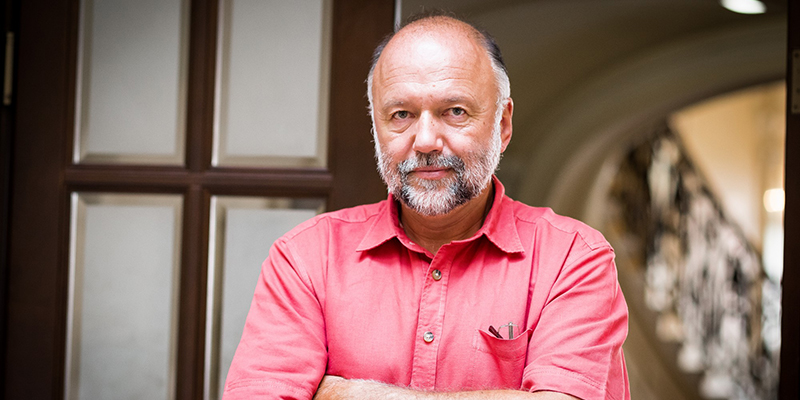
(Andrey Kurkov, author)
In a novel that professes neutrality the portrayal of Russian characters comes off according to Jennifer Wilson in her March 29, 2022, New York Times book review “as eerily cold, almost monstrous – snipers, cops, Putin apologists – as the actions of the Russian government were in some ways reflective of a deeper national character. It recalls Kurkov’s professed view of Russian and Ukrainian people as fundamentally different, each with a unique ‘mentality.’ As Putin tries to justify his occupation on the grounds of a shared history, there is indeed a strong current within Ukraine’s intelligentsia toward highlighting what makes the cultures and literary traditions distinct. Any suggestion of syncretism or co-influence feels tantamount to treason.”
The Dublin Literary Award states that Grey Bees is as timely as the author’s Ukraine Diaries were in 2014 but treats the unfolding crisis in a more imaginative way, with a pinch of Kurkov’s signature humor. Who better than Ukraine’s most famous novelist to illuminate and present a balanced portrait of this most bewildering of modern conflicts.
Let me begin by stating Don Winslow is a superb crime novelist who has offered a number of excellent novels to his ever expanding readership. Winslow’s mastery of his genre was evident in his Cartel Trilogy made up of THE POWER OF THE DOG, THE CARTEL, AND THE BORDER. He followed this up with THE FORCE and BROKEN and now has introduced a new novel, CITY ON FIRE, an exceptional work of mob fiction, which introduces Danny Ryan who is caught between two criminal New England Empires, one Irish, one Italian. Winslow explores the themes of loyalty, betrayal, vengeance, and honor as he offers his unique storytelling genius to his fans.
In his latest novel Winslow begins with a playful scene at the beach, a beautiful woman walks out of the ocean with a bathing suit that accentuates her anatomy. At this point the reader has no conception of what this person’s anatomy will have on the course of the novel. Danny Ryan’s wife responds to his roving eye in comical fashion, and we are introduced to our main character’s life story. Danny’s role is a carefully crafted one as he is placed at the vortex of organized crime in Providence, Rhode Island in an area referred to as Dogtown. Two families one Italian-the Moretti’s and one Irish-the Murphy’s competitors in the past have made their peace and have come to agreement on how their mob activities will be conducted.
(Providence, Rhode Island Police Chief after gang murder)
Danny, perhaps the only character in the novel that has somewhat of a moral compass is very unhappy with his situation as he is part of the muscle that the Murphy’s provide and is married to Terri, the daughter of the head of the Italian mob and owes his union card to his father-in-law. Danny would rather be on a fishing boat than scaring people when debts are due or conduct the vengeance that mob life periodically calls to fulfill. Both families have a number of sons who are friends until Liam Murphy, known to suffer from a lack of intelligence and timing insults Paulie Moretti’s girlfriend. The beatdown that follows looks as if it will touch off a gang war between the families. Soon payback comes as one of the Irish boys is murdered. Pasco Ferri who runs all of New England for the mob emerges as an interesting character as the relationship between the Murphy’s and Moretti’s deteriorates. For Danny, caught in the middle because of his family obligations, marriage, and friends the situation is very disconcerting.
Winslow has constructed what seems like a typical story involving different organized crime factions with violence, family loyalty, and dreams for the future. The author also produces a number of interesting characters that enhances the novel. Madeline McKay, a name chosen to further her career as a show girl and take advantage of her stunning looks emerges as a dominant character. Her mini-biography is fascinating, but most importantly we learn halfway through the novel she is Danny’s mother. Along the way we meet Solly Weiss, a well connected Jewish jeweler with strong mob and political connections, Manny Maniscalo, known as the undergarment king of the world, Sal Antonucci who carries out the Moretti’s dirty work, Philip Jardine a corrupt FBI agent among many.
The novel evolves through parallel tracks. First, Danny Ryan and his relationship with his mother and the mob. Second, the war between Peter Moretti and the Murphy family. Third, the internal conflict within the Moretti family and Sal Antonucci and his crew. Lastly, the full scale gang war that develops that permeates the entire novel.
Richard Lipez observes in his recent Washington Post book review accurately characterizes Winslow’s effort that “does for Rhode Island what David Chase’s ‘The Sopranos’ did for New Jersey.” Providence,
(Author, Don Winslow)
Rhode Island is the center of the mob action, but organized crime in the region must answer to Boston and New York. In true Winslow fashion the depiction of the stupidity of one character sets off a series of escalating power moves, betrayals and bloody murders fostering a gang war for control the docks, drug trade and other sources of income for a number of unsavory characters. The book exposes the racism and misogyny of the 1980s in New England and juxtaposes how organized crime acted in the by gone days of the 1950s and 60s as opposed to the new generation of mobsters that exist in the 1980s.
Winslow recreates gangland history at its best and though the author has stated he is retiring from writing he will deliver two more installments of this genre in the next two years. If this is true it is a loss as Winslow’s earlier “Cartel Trilogy” is the best recreation of the Mexican drug trade, and his new trilogy should be on par for mob books like the works of Mario Puzo, Martin Scorsese, and David Chase. Whatever the case maybe I look forward to the screenplay which is sure to come and the next novel depicting Danny Ryan’s quest for a normal life.
If you are following the war in Ukraine you are constantly bombarded with news stories concerning sanctions against Russia and Russian president Vladimir Putin’s oligarchs. Frozen bank accounts, offshore investigations, the seizure of yachts, homes, the inability to access money or transfer funds, in addition to the loss of real estate, a soccer team and who knows what else are daily headlines. The target of these actions are men who Vladimir Putin made rich by fleecing Russian mineral wealth, real estate, communications networks, weapons manufacturing, banking, highjacking the legal system, and of course the Russian people. These men, many of which are former KGB operatives along with Putin, looted their country siphoning off billions of dollars out of state enterprises and moving their wealth to the west forming a second wave of oligarchs replacing those who accumulated extreme wealth under Boris Yeltsin.
The west’s rationale for sanctioning Putin’s oligarchs is clear – destroy their wealth and lifestyle and they would pressure Putin to end his “special military operation” in Ukraine. It is clear that the strategy has failed to move Putin to change course as the genocide in Ukraine continues. Many wonder who these oligarchs are, how did they acquire their wealth, and what is their relationship with the Russian President. Catherine Belton, an award winning journalist whose specialty was investigative reporting on Moscow has written PUTIN’S PEOPLE: HOW THE KGB TOOK BACK RUSSIA AND THEN TOOK ON THE WEST, an exceptional expose based on years of her own reporting and contacts in Russia and the west.
As Daniel Beer writes in his May 26, 2020, article in The Guardian, Belton is a renowned business journalist who spent years covering Russia for the Financial Times, Belton follows the money. She has an unrivalled command of the labyrinthine history of share schemes, refinancing packages, mergers, shell companies, and offshore accounts that lay bare the stealthy capture of the post-Soviet economy and state institutions by a coterie of former KGB officers, or siloviki. Belton combines this financial history with testimony from a dazzling array of Kremlin insiders, diplomats, intelligence officers, prosecutors, mobsters and oligarchs. The result reads at times like a John le Carré novel.”** Belton’s approach and final product will amaze the reader for its depth of analysis and the disturbing picture she creates.
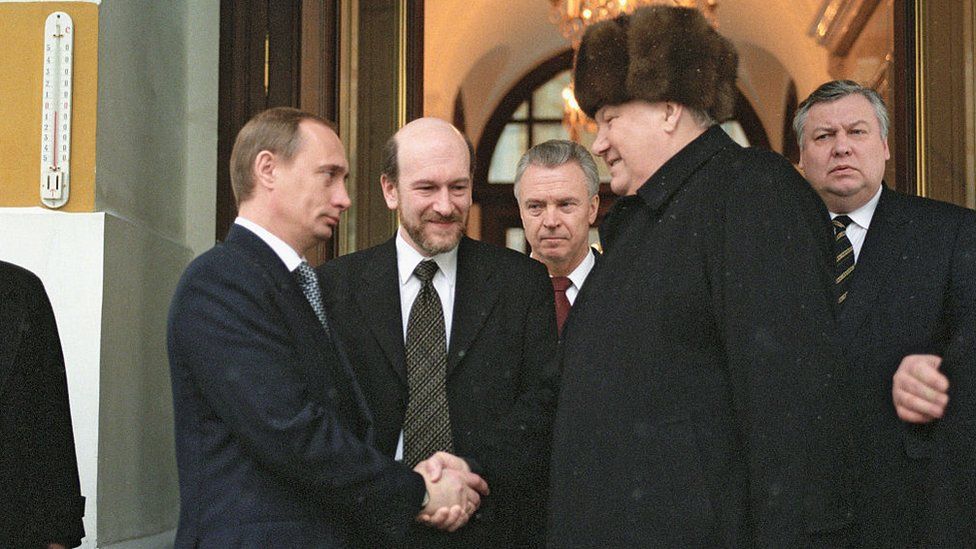
(Vladimir Putin was appointed prime minister in August 1999 before taking over from Boris Yeltsin as president on 31 December)
Belton’s theme is clear and direct – Putin justifies bringing all levers of power including ending elections for governors, bringing the court system under the will of the Kremlin, taking over and reorienting the media towards the needs of the state, and destroying certain oligarchs and private companies in the name of stability, all to end the chaos of the 1990s that existed under Boris Yeltsin. But, behind the patriotic fervor he encouraged a system whereby “Putin and the KGB ran the economy through a network of loyal allies now monopolized power and introduced a new system in which state positions were used as vehicles for self-enrichment. It was very different from the anti-capitalist, anti-bourgeois principles of the Soviet state they had once served.”
The author dissects a number of important questions. First, how did Vladimir Putin, a KGB operative in Dresden when the Berlin Wall collapsed end up the authoritarian presence in Moscow that exists today? Second, who are the men who he manipulated allowing them to accumulate vast amounts of wealth and if they crossed him wound up in the Gulag? Third, what mechanisms did Putin, and his coterie of sycophants employ to bring about the unequal and illegal distribution of wealth in Russia? Fourth, why has the Russian leadership and their oligarchs been so successful in hiding their wealth in the west and penetrating the western political apparatus? Lastly, what have been and are currently the implications for the system of “state capitalism,” or “state feudalism” that now exists in Russia?
As Belton methodically answers these questions she places events and actions in the context of Russian history and examines the different personalities and actions of Putin and his St. Petersburg KGB, and how they were able to overturn the corrupt oligarchical system which claimed to be mostly progressive under the reign of Boris Yeltsin.
The key component to Belton’s narrative centers around Leningrad at the time the Soviet Union collapsed. Leningrad, soon renamed St. Petersburg was the home a KGB faction which had a close relationship with the East German Stasi which was aware of the risks of a communist collapse and quietly launched “Operation Luch” to prepare for a potential regime change, particularly recruiting agents for a possible unification of Germany. Putin, then stationed in Dresden was part of the process that smuggled millions of dollars out of East Germany to maintain their operations and create techniques that would become the model for Putin’s later Kleptocracy.
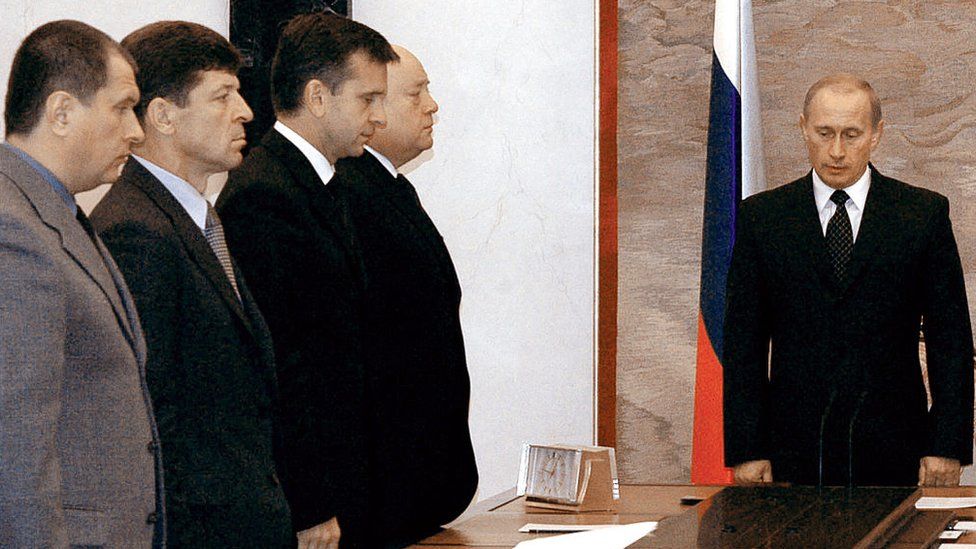
(Russia’s cabinet members observe a minute of silence in September 2004 after the Beslan school siege, in which militants killed more than 330 people)
Belton follows Putin’s biography pointing out the significant role played by Anatoly Sobchak, a key reformer on the Leningrad City Council who would be elected mayor, then enamored with Putin made him Deputy Mayor. From this position Putin and his KGB compatriots had a base of power and the tools to implement their plan to replace Yeltsin’s oligarchs, men who took advantage of the collapse of the Soviet Union to line their own pockets and indirectly steal state assets. Billions were siphoned from Soviet coffers – a process overseen by the KGB. Front companies and banks were created to house this wealth and no matter what occurred, the 1991 coup, the raping of Russia under Yeltsin, the corruption of the Yeltsin family, and finally the choice by Yeltsin to first choose Putin as his Prime Minister, then resigning early so his protégé could be elected Prime Minister in his own right in 1999 – all linked to the KGB, men from the Soviet and post-Soviet period.
Belton’s detail is to be admired as she traces how Putin exercised power and destroyed men like Mikhail Khodorkovsky who was emblematic of former Komsomol officials who early on were cultivated by KGB progressives who would acquire enormous wealth under Yeltsin but would be destroyed by Putin. The modus operandi to go after these oligarchs was charging them with personal and business tax evasion resulting in the seizure of their companies and dividing their assets between the St. Petersburg KGB types and organized crime who worked hand and glove with Putin in the past. The agenda for Putin and these KGB loyalists was their belief that conflict with the west was not over with the collapse of the Soviet Union, so they created vehicles to funnel billions of dollars into the west to finance KGB intelligence operations against the United States and its allies.
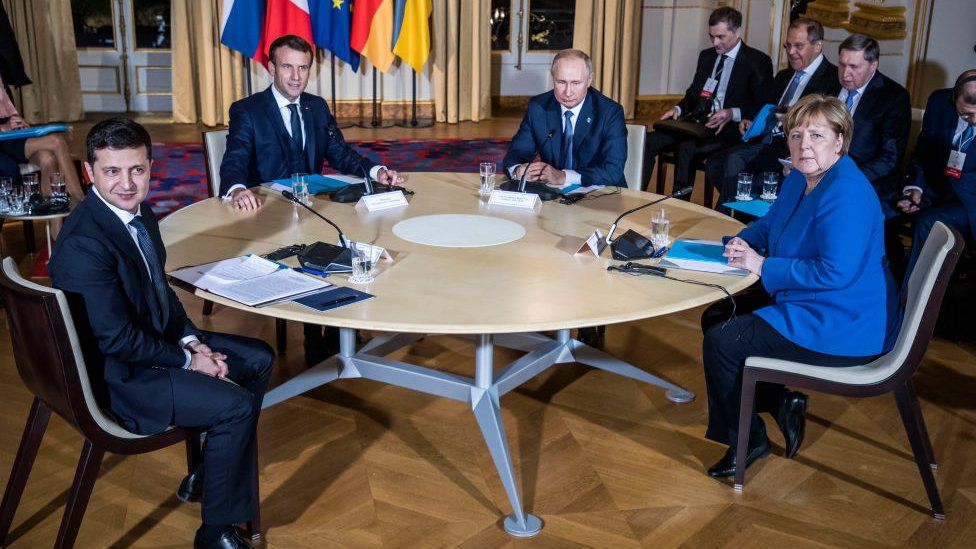
(Talks resumed this month, five years after the start of the conflict in Ukraine, with President Volodymyr Zelensky, in a bid to end the fighting)
The privatization of state enterprises under Yeltsin using “loans for share,” and auction gimmicks quickly transformed ownership of the country’s wealth and created a class of oligarchs. Men such as Khodorkovsky controlled Yukos Oil, Vladimir Potanin controlled Norlisk Nickel, Boris Berezovsky controlled Sibnet Oil to name a few who reaped the benefits of the new system that controlled over 50% of the country’s wealth, but once Putin arrived they had to kow tow to his whims and goals. These men would become the target of the KGB who sought revenge because of their desire to control the country’s riches. The St. Petersburg KGB forged relationships during the early 1990s through an elaborate system of barter and export deals that involved organized crime creating a model of how Putin’s Russia would be ruled in the 21st century.
Belton outlines how Putin and his cronies were able to become President pointing to a number of issues that Russia faced in the late 1990s. First, Yeltsin and his family were crooks. Second, the war in Chechnya which Yeltsin unleashed and Putin would use to raise his popularity for the 2000 election. Third, The economy was on a roller coaster where market reforms led to a lowering of the standard of living for the Russian people. With fears of a coup, the Yeltsin family decided they needed a strong KGB type who they could rely on to protect them from prosecution – that man was Vladimir Putin. Yeltsin would resign early to facilitate Putin’s popularity and election victory.
Belton excels in describing the machinations of how Putin was able to consolidate power including a discussion of domestic terrorism blamed on Chechen terrorists. This tactic appealed to the Russian people, but there is a great deal of evidence that FSB agents were behind the attacks creating the climate for Putin to crack down and re invade Chechnya.
Once in power Belton delves into Putin’s goal of creating an authoritarian system that he would control with an iron fist and how he accumulated billions in personal wealth which necessitated his own oligarchical system whereby fronts were created to limit any trace of wealth back to him. Foreign bank accounts, real estate, a domestic banking system symbolized by Rossiya Bank, state control of the energy sector, threats, violence were all tools that were employed.
(US intelligence services say that Russia interfered in the 2016 US election)
There were those in the west that hoped to work with Putin in the early 2000s, but the influence of the St. Petersburg security men outweighed all other considerations. Their world view was steeped in the logic of the Cold war, an ideology that would mold Putin. They sought to restore Russia’s might and saw the United States as the main obstacle to achieving this. For them, the economy was to be harnessed as a weapon first to restore the power of the Russian state – and themselves as leaders of the KGB and then against the west.
What saved Putin and the Russian economy from the outset was the rapid increase in the price of oil. The leading Russian oil company was Gazprom, and the St. Petersburg KGB soon took over decision making. Putin’s goal was to use possible oil and natural gas shutdowns as a vehicle to be employed in foreign policy as he did to Ukraine in 2004 and is currently doing so to Poland and Bulgaria. More and more Putin evolved into a Tsar and he and his men would build a Russian fortress, presenting the country as under siege from an external threat.
Belton is correct that the key turning point was the 2003 trial of Khodorkovsky, his imprisonment, and exile to the Gulag for nine years. It opened the way for Putin’s KGB men to take control of the country’s economy and created a precedent for the country’s judiciary to be an extension of Putin’s “security men.” It also sent a message to other oligarchs that if they did not cooperate with shielding Putin’s wealth, laundering his money and protecting his power they could be next. The west did not realize that it was the beginning of the state takeover of the entire legal and political system leading to the accumulation of wealth that would be turned against them. Throughout the process the hypocrisy of the west is evident as Belton points out the role and desires of western energy companies wanting to get their piece of the action with the Yukos and later Gazprom sell offs. Further western hypocrisy is evident with oligarch investments in western real estate and banking, in addition to the role played by western banks such as Deutsche Bank, the Bank of New York, Danske Bank and others.
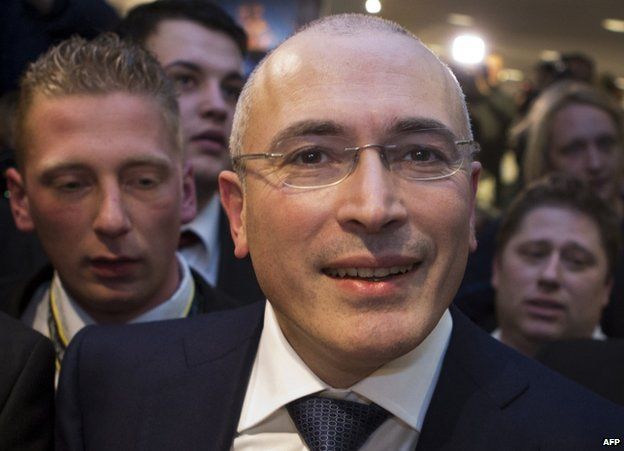
(Khodorkovsky gave the first news conference after his release in Berlin)
Belton is able to unravel a process explaining how billions of Russian state assets were spirited to offshore accounts outside Russia – in 2012 alone, $49 Billion disappeared overseas. Much of the wealth was invested in real estate particularly in New York, Miami, and London. To create a mirage of legitimacy Roman Abramovich, an oligarch with strong ties to Putin was able to purchase the Chelsea Soccer Club, and others invested in large real estate holdings in the United Kingdom fostering the nickname Londongrad.*** According to Belton, by the mid-2000s the British LLP (Limited Liability Partnership) was created as the money launderer’s vehicle of choice. London would gain the reputation “as the world’s laundromat, washing hundreds of billions of pounds of dirty cash every year.” Soon an awareness developed as to the inroads the oligarchs made in the west and how they used its institutions to protect Putin’s wealth and as well as their own. Interestingly, Putin and his men correctly predicted that western greed would outweigh any sense of morality when it came to western businesses’ approach to investing in and with Russia.
Belton’s exploration of Putin’s ideology focuses on the role of the Eastern Orthodox Church, the writings of White Russians dating back to the Russian Revolution, and recreating Russia’s imperial past. In a sense Putin sees himself as a Peter the Great figure whose country should create a Eurasian empire whose destiny was to counter the west as Putin forged a new Russian identity based on its imperial past. In addition, Putin and his KGB cohorts sought revenge for the collapse of the Soviet Union, the economic chao of the 1990s, and the threat the west presented to their overall goals.
Ukraine plays a significant role in this process and from 2004 onward would become a training ground for Russia’s undermining western unity. First, employing energy blackmail, “black cash,” then the outright invasion of Crimea took place in 2014 and the insurrection to create the Donetsk Republic. The eastern industrial region of Ukraine would endure eight years of war conducted by Russian backed separatists until the recent invasion of the entire country.
From the outset the Kremlin took over control of the Russian media from the oligarchs and developed the message that Putin was as godlike as a Tsar and saved Russia from western encirclement. As long as Russian incomes grew due to the increase in energy prices the masses did not worry about the increasing state corruption, the growing arbitrary power of the FSB, and the control of all businesses by law enforcement. Putin and his minions could jail anyone they wanted as long as the emerging middle class was happy.
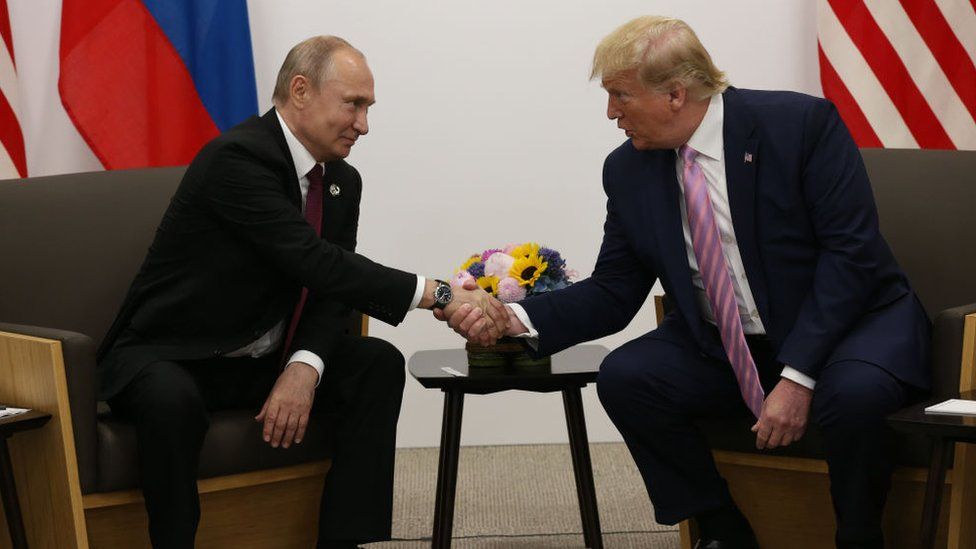
Belton explores how Putin, and his cronies employ “soft power” in a frightening chapter, “Soft Power in an Iron Fist.” She describes how “black cash” was used in Eastern Ukraine, funding right wing parties in France, Italy, Hungary and elsewhere in Europe, and co opting western politicians such as Gerhard Schroeder former Chancellor of Germany, Jean-Marie Le Pen who lost the French presidential election last week, former Italian Prime Minister Silvio Berlusconi, and of course Donald Trump. This strategy was in line with Putin’s goal of pushing a populist right wing agenda as a rebellion against the western liberal establishment which he views as a threat to his position as Tsar of all Russia’s.
Putin’s interference in western elections is well known as his support for the far right throughout Europe. Former Kremlin insider Sergei Pugachev points out that Russia’s aggressive new tactics employing cyber, money though out Europe to achieve his goals “is like a dirty atomic bomb. In some ways it’s there, in some ways it’s not. Nowadays it’s much harder to trace.” PUTIN’S PEOPLE lay bare the challenge the west faces internally and now externally with Putin’s invasion of Ukraine in addition to offering a remarkable explanation of how Putin’s feudalistic state came into being and how it is evolving.
For an up to date view of what these oligarchs actually believe see Catherine Belton; Greg Miller, “Cracks Emerge in Russian Elite as Tycoons Start to Bemoan Invasion,” Washington Post, April 29, 2022.
**Daniel Beer “Putin’s People by Catherine Belton review – A Groundbreaking Study that Follows the Money,” The Guardian, 6 May 2020.
***For a discussion of how the oligarchs took London see Patrick Radden Keefe, “Do Stay For Tea,” The New Yorker, March 28, 2022.
This Fall I will be teaching a course for OLLIE, part of the University of New Hampshire extension program. The class will deal with the current war in Ukraine and will explore the Collapse of the Soviet Union; Vladimir Putin: A Profile; the Expansion of NATO; and the current war in Ukraine. I am preparing a bibliography and I am posting it in case anyone might be interested.
Applebaum, Anne RED FAMINE: STALIN’S WAR ON UKRAINE
Aron, Leon YELTSIN: A REVOLUTIONARY LIFE
Ben-Ghiat, Ruth STRONGMEN: MUSSOLINI TO THE PRESENT
Belton, Catherine PUTIN’S PEOPLE: HOW THE KGB TOOK BACK RUSSIA AND THEN TOOK ON THE WEST
Browder, Bill FREEZING ORDER: A TRUE STORY OF MONEY LAUNDERING, MURDER, AND SURVIVING VLADIMIR PUTIN’S WRATH
__________. RED NOTICE: A TRUE STORY OF HIGH FINANCE, MURDER AND ONE MAN’S FIGHT FOR JUSTICE
Burgis, Tom KLEPTOPIA
Colton, Timothy J. YELTSIN: A LIFE
Dawisha, Karen PUTIN’S KLEPTOCRACY
Clover, Charles BLACK WIND, WHITE SNOW: THE RISE OF RUSSIA’S NEW NATIONALSIM
D’ Anieri, Paul UKRAINE AND RUSSIA: FROM CIVILIZED DIVORCE TO UNCIVIL WAR
Feifer Gregory THE GREAT GAMBLE: THE SOVIET WAR IN AFGHANISTAN
Freeland, Chrystia THE SALE OF THE CENTURY: THE INSIDE STORY OF THE RUSSIAN REVOLUTION
Gessen, Masha THE MAN WITHOUT A FACE: THE UNLIKLEY RISE OF VLADIMIR PUTIN
____________. THE FUTURE IS HISTORY: HOW TOTALITARIANISM CLAIMED RUSSIA
____________. SURVIVING AUTOCRACY
Goldman, Marshall L. PETROSTATE: PUTIN, POWER, AND THE NEW RUSSIA
(Ukrainaian civilians fight)
Gorbachev, Mikhail MEMOIRS
Hill, Fiona THERE IS NOTHING FOR YOU HERE: FINDING OPPORTUNITIES IN THE 21ST CENTURY.
Hill, Fiona; Gaddy, Clifford G. MR. PUTIN: OPERATIVE IN THE KREMLIN
Judah, Ben FRAGILE EMPIRE: HOW RUSSIA FELL IN AND OUT OF LOVE WITH VLADIMIR PUTIN
Knight, Amy ORDERS TO KILL: THE PUTIN REGIME AND POLITICAL MURDER
Koffler, Rebekah PUTIN’S PLAYBOOK: RUSSIA’S SECRET PLAN TO DEFEAT AMERICA
Myers, Steven L. THE NEW TSAR: THE RISE AND REIGN OF VLADIMIR PUTIN
Plokhy, Serhii THE GATES OF EUROPE: A HISTORY OF THE UKRAINE
___________.THE LAST EMPIRE: THE FINAL DAYS OF THE SOVIET UNION
Pomerantsev, Peter NOTHING IS TRUE AND EVERYTHING IS POSSIBLE
Sarotte, M. E. NOT ONE INCH: AMERICA, RUSSIA, AND THE MAKING OF THE POST-WAR STALEMATE
Service, Robert KREMLIN WINTER: RUSSIA AND THE SECOND COMING OF VLADIMIR PUTIN
Stent, Angela PUTIN’S WORLD: RUSSIA AGAINST THE WEST AND WITH THE REST
Short, Philip PUTIN* (to be published July 26, 2022)
Stent, Angela PUTIN
Snyder, Tim BLOODLANDS: EUROPE BETWEEN HITLER AND STALIN
____________. THE ROAD TO UNFREEDOM: RUSSIA, EUROPE, AMERICA
____________. ON TYRANNY
Taubman, William GORBACHEV: HIS LIFE AND TIMES
Yaffaf, Joshua BETWEEN TWO FIRES: TRUTH, AMBITION, AND COMPROMISE IN
PUTIN’S RUSSIA
Volkogonov, Dmitri AUTOPSY FOR AN EMPRE: THE SEVEN LEADERS WHO BUILT THE SOVIET REGIME
Vindman, Alexander HERE, RIGHT MATTERS: AN AMERICAN STORY
Yovanovitch, Marie LESSONS FROM THE EDGE: A MEMOIR
Zhadan, Serhiy MESOPOTAMIA
_____________. THE ORPHANAGE
Zubok, Vladisslav M. A FAILED EMPIRE: THE SOVIET UNION IN THE COLD WAR FROM STALIN TO GORBACHEV_____________. COLLAPSE: THE FALL OF THE
In a world where the war in Ukraine and economic sanctions dominate foreign policy discussions relations with Iran could have been pushed to the back burner instead they are now coming to the fore. As the Russian army continues its bloody war against Ukrainian civilians, the need to sanction Moscow’s energy industry which finances its genocide is paramount. The Biden administration is focusing on increasing the world’s supply of energy and to this end has reengaged with Iran after the Trump administration abrogated the Iran nuclear deal negotiated during the Obama administration. The odds of coming to a quick agreement with Iran is very low, in part because Russia was a signatory of the original agreement and Iran’s contorted history with the United States since the 1950s. To understand the background to the American relationship with Iran which emphasizes the viewpoints from Washington and Tehran John Ghazvinian, a former journalist, and currently the Director of the Middle East Center at the University of Pennsylvania has filled this major gap with his new book, AMERICA AND IRAN: A HISTORY 1720 TO THE PRESENT. Written in a clear and concise style Ghazvinian provides insightful analysis, a deep understanding of the issues between Iran and the United States, and with a degree of subjectivity focuses on the motivations and actions of the major historical figures involved.
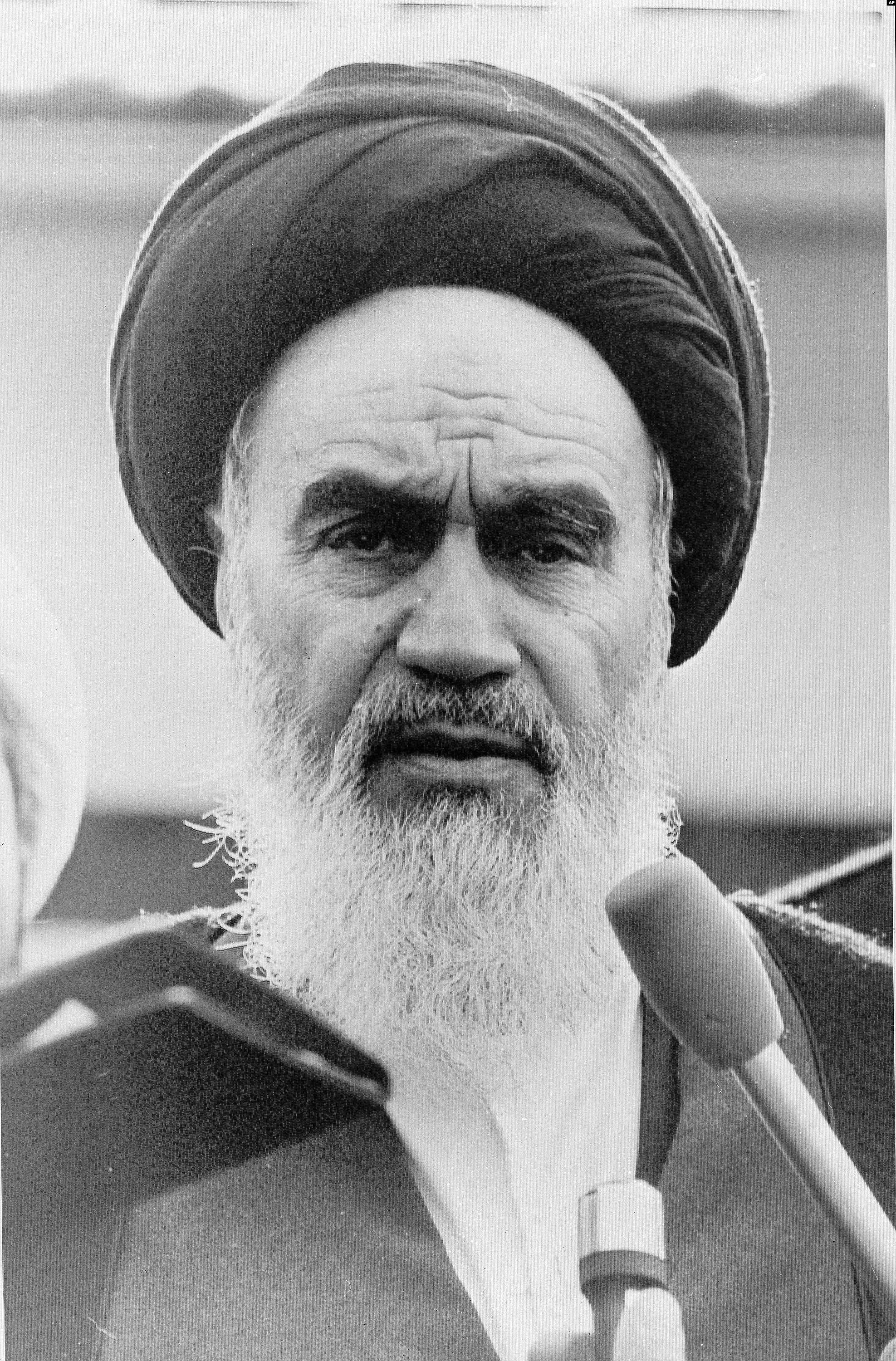
(Ayatollah Khomeini)
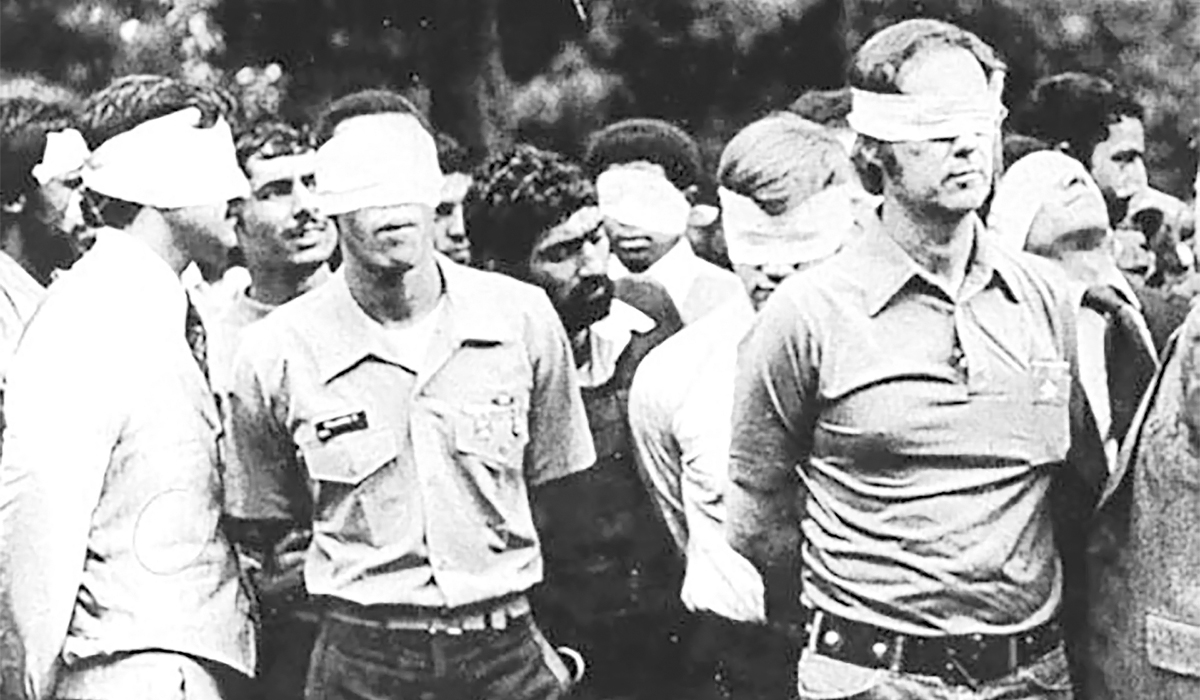
In tackling the American-Iranian conundrum one comes across many watershed moments and dates be it the competition between England and Russia during the 19th century through World War II better known as “the Great Game,” the emergence of the United States filling the vacuum created by London’s withdrawal from the region, the American “love affair” with Reza Pahlavi Shah beginning with the 1953 coup against Mohammad Mosaddeq, the rise of Islamic fundamentalism spear headed by the Ayatollah Khomeini, the 1979 hostage situation, the Iran-Iraq War, and the overt and covert war between the two countries that continues to this day. For scholars and the general public these issues are quite familiar, however, Ghazvinian brings a deft pen and immense knowledge in presenting a fresh approach to this historical relationship.
Ghazvinian goal was objectivity, hoping to avoid casting dispersions on either side, and dispensing with the ideological baggage that has encumbered past writings on the subject. Despite this goal, periodically he falls into the trap of bias. Having been born in Iran he conducted ten years of research and was allowed access to Iranian sources that were not available to most western scholars. One of Ghazvinian’s major themes is that the United States and Iran, at least in the 18th and 19th centuries through the end of World War I could have been natural allies. Decade after decade Iranian governments looked to the United States as a “third force” that could counteract the pressures of Britain and Russia. Presenting the early American thoughts of Thomas Jefferson and John Adams, Iran perceived the United States as an anti-colonial power so there seemed to be a community of fate between the two countries that Ghazvinian successfully investigated.
(American hostages seized in Iran, 1979)
Ghazvinian explores America’s romanticized version of “Persophilia” and Washington’s impact on Iran through missionary work that provided hospitals, schools, and trade with Tehran. It is clear that the United States, despite its interest in Iran was hindered by an amateurish group of “diplomats” who were sent to Tehran during the late 19th century to promote American interests. Most had little or no foreign experience and they did little to foster a new relationship. With the 1907 Anglo-Russian Agreement, Iran could no longer play off the two competing powers against each other so Tehran invited the United States to assume the role of counterbalancing the “new” allies to the point of inviting and allowing an American citizen who would become a hero to the Iranian people, W. Morgan Shuster to take control of Iran’s convoluted finances. The author goes on to trace Iranian attitudes and hopes that were fostered by Woodrow Wilson’s 14 Points and the concept of self-determination.
A second dominant theme that Ghazvinian introduces is Iran’s battle to achieve modernity and not being viewed as a backward desert kingdom that was more than a source of oil. To that end it seemed that no matter who was the Shah this issue had to be dealt with which resulted in policies that provided wealth and a lifestyle for the Pahlavi Dynasty but poverty and ignorance for the masses.
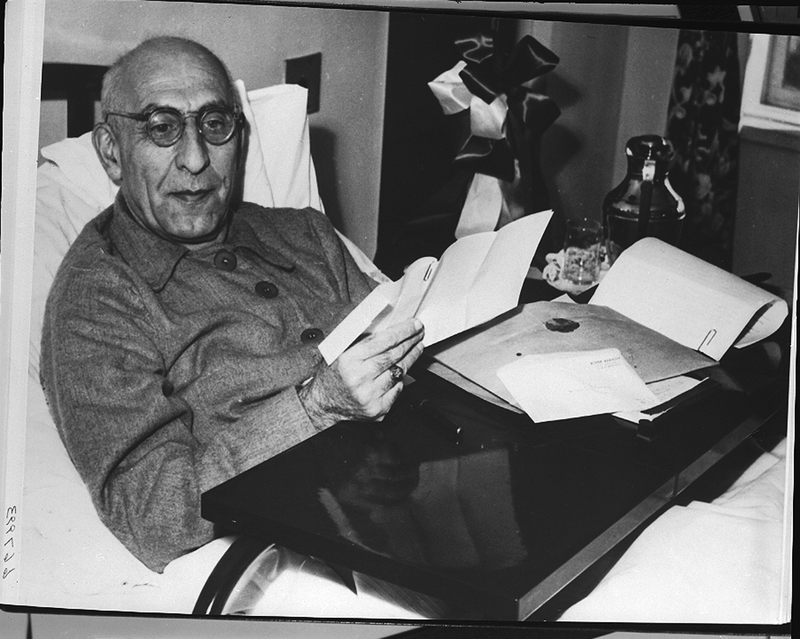
The concept that historian J.C. Hurewitz developed dealing with the Middle East that regional actors “never missed an opportunity to miss an opportunity” applies to Iranian-American relations after World War II. Ghazvinian skillfully explores the leadership of Mohammad Mosaddeq and his removal from power in 1953 by the CIA and as he does in a number of instances sets straight the historical record. The issue for the United States was its fear of communism as is evidenced by the Russian refusal to withdraw from northern Iran in 1946. Supposedly the stalemate was settled when Harry Truman issued an ultimatum to Moscow, which Ghazvinian points out that there was no record of such an ultimatum. However, the fear of Russian expansion in the Persian Gulf drove American policy. In addition to this fear of the Soviet Union, Washington had to deal with British arrogance and stupidity (repeatedly referring to Tehran as Persian pip-squeaks) in trying to establish a sound relationship with the Mosaddeq government.
(Iranian Prime Minister Mohammad Mosaddeq)
Mosaddeq was not a communist, he was an Iranian nationalist, but in the American diplomatic lexicon nationalist meant communist. The result was that the Eisenhower administration ignored reports that Mosaddeq was “a Western educated aristocrat with no reason to be attracted to socialism or communism.” Rather than listen to the advice of his own spies and bureaucrats, Eisenhower supported a policy designed to undermine Mosaddeq’s government which would lead to his overthrow and assist the return of the Shah to Tehran where despite his autocratic and megalomaniac tendencies the US would support at various levels until his overthrow in 1979.
Another major theme put forth by Ghazvinian is the role played by the 1953 coup in Iranian ideology. From the end of World War II to the arrival of the Ayatollah Khomeini the Shah was faced with three domestic enemies that wanted to curb his power or overthrow his monarchy – the Iranian left made up of a diverse group of Marxists that leaned toward the Soviet Union, the religious establishment, and a coalition of secular liberals, democrats, and progressive nationalists. Despite the diverse nature of the opposition, they all believed that the 1953 coup could be repeated at any time should the Shah’s reign end. This belief forms the background to any American-Iranian negotiation, particularly the 1979 hostage situation.
Ghazvinian cleverly compares the attitudes of the different presidents towards the Shah. For Eisenhower, named the “coup president” by historian Blanche Wiesen Cook, his policy was driven by the anti-communism of the Dulles brothers to provide the Shah with loans and military hardware. Once John F. Kennedy assumed the oval office he put pressure on the Shah to reform his reign, but once he was assassinated the Shah was relieved since Lyndon Johnson was too busy with Vietnam and appreciated an anti-communist ally who would help control rising Arab nationalism and the Persian Gulf. The key was Richard M. Nixon who developed a friendship with the Shah during the Eisenhower administration and with pressure from the likes of Henry Kissinger to honor any military requests that the Shah asked for resulted in billions for the American military-industrial complex and advanced weaponry for the Iranian army. The result was a man who believed he had card blanche from the United States resulting in violent domestic opposition against the Shah in Iran. Finally, Jimmy Carter’s human rights rhetoric scared the Shah, but he too would give in to the Shah’s demands until his overthrow.
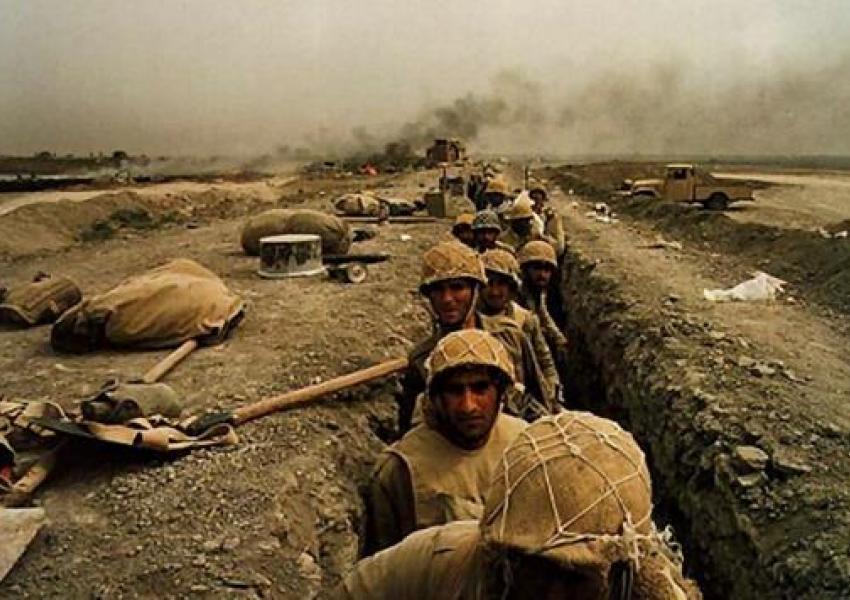
(Iran-Iraq War)
Ghazvinian’s discussion of the rise of Khomeini and American ignorance concerning the proliferation of his ideas and support in Iran is well thought out. From exile in Iraq and later Paris the United States made no attempt to understand the reasons behind Khomeini’s rise and the conditions of poverty and oppression that existed among the Iranian masses. Washington’s blindness and tone deafness is highlighted by the appointment of former CIA Director Richard Helms as US Ambassador to Iran in 1973.
Once the Shah is overthrown Ghazvinian explains the different factions that existed in Iran and that it was not a foregone conclusion that Islamic fundamentalism would be victorious. American intelligence underestimated Khomeini’s skill as a politician, not just a religious leader. The reader is exposed to intricate details about the creation of the Islamic Republic, the hostage situation, and the Iran-Iraq War which found the US playing a double game of supporting both sides. This would lead to the Iran-Contra scandal that showed the duplicitous nature of the Reagan administration that should have ended the Reagan presidency.
Though Ghazvinian breezy history is immensely readable it becomes biased as he delves into the post 1988 Iranian-American relations. The author discusses efforts by George H. W. Bush and Barack Obama to reset the relationship between Teheran and Washington ultimately to be thwarted by disinterest after the Soviet Union collapsed and the role of the Israeli government under Benjamin Netanyahu whose bombast was designed to block any Iranian-American rapprochement. At times slipping into partiality, Ghazvinian downplays the bombast of the Iranian government and its avoidance of the nuclear issue, its role in Lebanon with its ally Hezbollah, and arming Hamas in the West Bank. I realize the many flaws and general stupidity of Bush’s neocon gang, but the soft presentation of Iran under Mahmoud Ahmadinjad also leaves a lot to be desired.
Despite some areas that could be developed further, Ghazvinian has produced a needed reappraisal of his subject and the quality of the writing makes the book an easy read for the general public which makes it a valuable contribution despite some shortcomings.
The preparation and presentation of good historical fiction is an art form. The ability to engage in the necessary research and apply what is uncovered in a fictional format that represents accurate history is a challenge. Blending the lives of historical figures with fictional ones can create fascinating stories that should absorb the reader’s attention. One of the most important practitioners of this art is Kate Quinn whose previous historical novels include; THE ALICE NETWORK, THE HUNTRESS, AND THE ROSE CODE all of which have attracted a wide audience and critical acclaim. Her latest effort, THE DIAMOND EYE will surely gain the same notoriety and praise as her previous work.
The central character in THE DIAMOND EYE is Lyudmila Pavlichenko (Mila) who during World War II transformed herself from a studious girl who loved history into a deadly sniper whose nickname was “lady death.” Quinn is able to take her remarkable story and develop it into an amazing novel that reflects heroism and the transformation of her subject from motherhood to becoming a soldier.
The question that overlays Quinn’s novel is how a library researcher, a graduate student, an aspiring historian, and mother becomes a deadly sniper? Along with providing the answer to this query, Quinn develops Mila’s character and sense of self very slowly. Her growth and confidence carefully evolve as she masters the intricacies of science, weather, logistics, and math that are a part of each shot a sniper must consider.
(Eleanor Roosevelt)
An important dynamic in the novel is how Mila finally stands up to her husband Alexei who she married at fifteen, got pregnant, and raises her son Slavka. Alexei wants no part of his family and abandons them to reappear as a surgeon on the southern front in the great patriotic war against the Nazis. Mila will fall in love with her commanding officer Alexei (Lyonya) Kitsenko and believes they will have a wonderful life should they survive the war.
Along her journey Mila must overcome a number of fears and obstacles. First, as the only woman sniper in a company of men she fears being raped. Second, most officers believe that women should not be soldiers, less so a sniper. Third, she misses her son Slavka who is being raised by her parents. Fourth, dealing with an obnoxious, misogynistic husband who will not easily grant her a divorce. Lastly, overcoming her fear and then acceptance of death, including her own. As the novel progresses these issues all come to the fore.
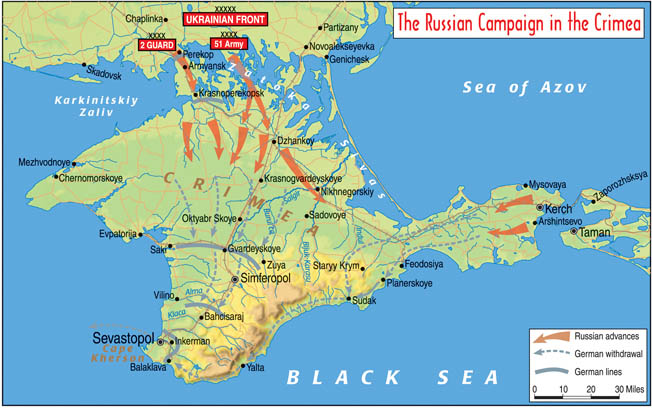
Quinn has created a dual plotline as she develops her story. From the outset Quinn strongly hints that her story is more than just recounting the life of a woman sniper with over 300 kills. As Mila’s reputation proceeds her, against her will, the Soviet propaganda machine sees her story as an opportunity to foster publicity for the war effort particularly as it relates to the disposition of the Russian people and how they are perceived by the United States. In 1942 Mila will be dispatched from the fighting in Sevastopol to the United States where she will meet Eleanor Roosevelt, a character Quinn makes excellent use of with her diary commentary about the war and her husband. The trip has its highs and lows, as Mila unexpectedly develops a friendship with Eleanor and tries to influence American policy.
While in Washington it seems that a “Marksman” is following Mila who he hopes to scapegoat as an assassin of President Roosevelt. The “Marksman” will conduct the deed and arrange a scenario for Mila to be blamed thereby ruining the allied alliance and removing a president that isolationists and conservatives abhor.
As in all her novels Quinn’s writing is spot on and is able to humanize Mila by showing how she and Kostia, her sniper partner use humor, along with a healthy amount of vodka to cope with their risk-taking to survive in the hostile environment of warfare. Her relationship with Kostia is extremely important as are Quinn’s insights into the training, preparation, and implementation of the tasks that are the raison detre of being a sniper.
Quinn integrates a number of characters of which the members of her sniper command stand out, particularly Vartanov, an old ranger from Crimea who could move through trees likea ghost who Mila comes across and will join her group despite his age. He is an asset because of his knowledge of the terrain, and he is “dead on” shot. Olena Ivanova Paily also stands out as the nurse who befriends Mila and treats her in a field hospital after she is wounded twice and encourages her to pursue a life apart from killing Nazis.
Kate Quinn is a superb storyteller, and she perfectly captures Mila’s spirit and personality both on and off the battlefield. Quinn provides an important chapter entitled “Author’s Note” at the end of the book that provides a great deal of insight and information regarding Mila and how she structures her novel. This is an important book especially since the fighting takes place in the Ukraine, Crimea to be exact, and shows like today how civilians with no military experience can make a difference in combat.
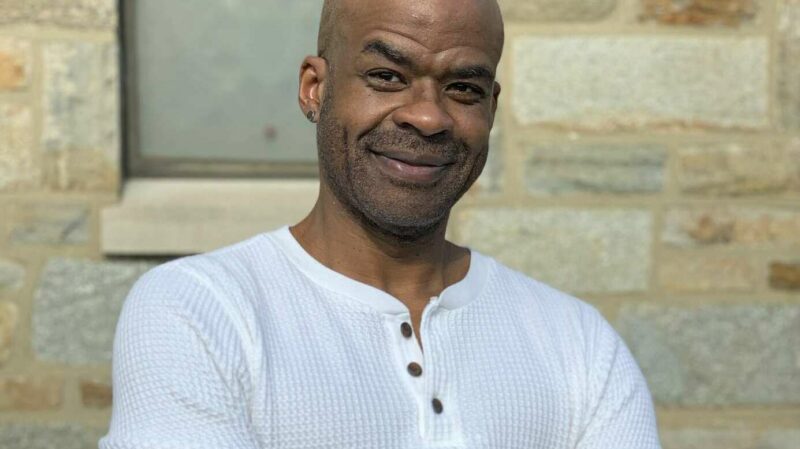
At a time when the 1619 Project, terms like critical race theory and cancel culture are in vogue a novel that explores the depths of American racism is very prescient. The novel in question is Brendan Slocomb’s first literary entry, THE VIOLIN CONSPIRACY which centers on the idea that black classical musicians seem to be an anomaly particular a talented violin soloist in American society. Slocumb’s effort strikes a nerve as it drives home its theme of the lack of opportunity for blacks in high brow musical culture and how members of society react to people of color who have the talent but not the opportunity to pursue a career performing classical music because of the attitude of an elitist aristocratic club that dominates this field.
It is always rewarding when an author’s first novel exceeds expectations. Slocumb’s work reflects his own struggle to live his life and play the music he loved, when often stymied for the reasons he states were incomprehensible. The novel centers around an amazing character, Rayquan (Ray) McMillan, a poor young black man from North Carolina who is blessed with classical music talent and an ability to convey it through the strings of his violin. He is an individual who is confronted with racist attitudes and actions almost at every turn and is able to overcome the roadblocks placed in front of him by the force of his convictions and personality. It is a story of family dysfunction, greed, highlighted by an individuals’ fight to maintain his dignity and pursue his love of music when confronted by the inequities of American society.
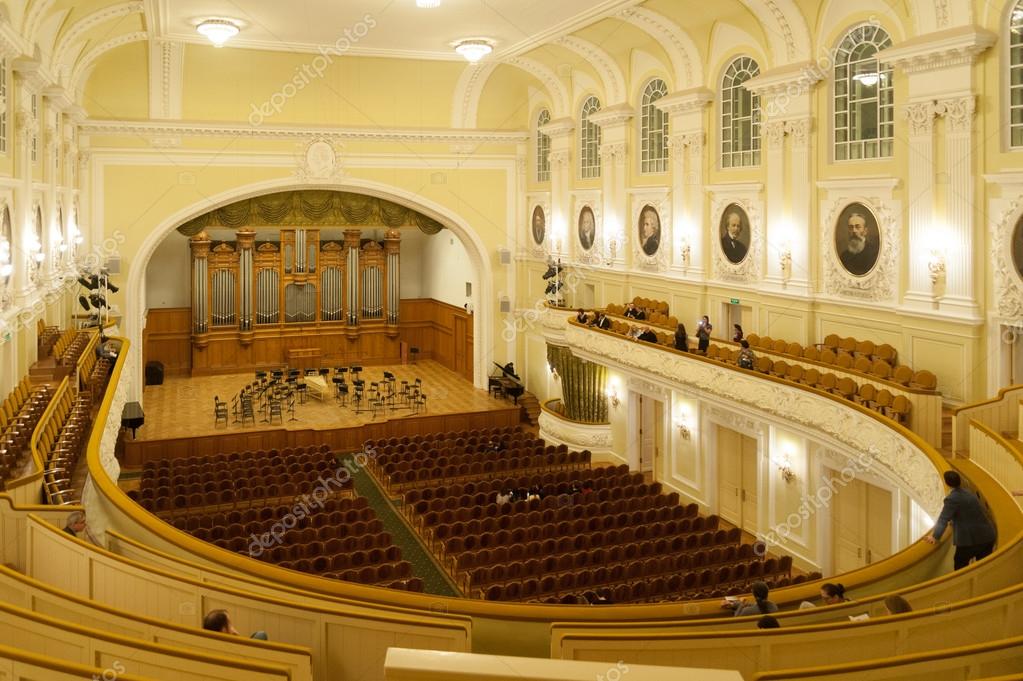
The story begins as Ray is preparing to compete in the Tchaikovsky Competition in Moscow, the world’s most prestigious and difficult classical music competition judged by the top musicians in the world. Almost immediately a significant impediment emerges as after spending time in New York with girl friend Nicole he flies back to his home in Charlotte and discovers that his violin has been stolen. The violin is not just any musical instrument, but a Stradivarius valued at $10 million. Ray is at a loss. First the violin was a gift from his deceased grandmother Nora, secondly it is the only violin he believes that he can play and win the competition.
(Brendan Slocumb, author)
The plot revolves around the theft, but more so is a commentary about American society. Slocumb does a superb job developing the background to the crime tracing the evolution of how the violin came into the possession of Grandma Nora’s great grandfather, Pop Pop who was a slave on a Georgia plantation and was freed following the Civil War when his master, and possibly his father gave him the violin. When the FBI is brought in to investigate two suspects immediately come to the fore. First, the Marks family, descendants of the Georgia slave owners who claim the violin belongs to them as Pop Pop or Leon as he was known as a slave stole the instrument. Second, Ray’s own family, particular his mother and Uncle who believe the violin belongs to the entire family and should be sold with the proceeds divided up between five family members.
Ray is adamant that he will not give up his prized possession as the novel evolves. For Ray, the story reflects his own demons as he struggles with the concept of how a black person could be a violinist of his quality. Slocumb creates numerous scenes from school, work, and performing that reflect many of the author’s own life experiences dealing with racial discrimination. Slocumb carefully develops the rift between Ray and his family centering on his mother who is a selfish self-absorbed individual who uses her son’s ability as her meal ticket. Growing up she tried to block Ray’s love of music preventing him from practicing in the house and demanding that he get a job at a Popeye’s restaurant so he could buy her a 60 inch television. But for Ray, “every time the conductor raised the baton, a new joy blossomed in his chest. Each note felt special, a gift.” This special individual believed that he not only had to prove his talent to white audiences, his family, particularly his mother, but to his own race.
Slocumb creates a number of important characters that allow the novel to proceed at a smooth pace and maintain the interest of his readers. Janice Stevens, a university professor who becomes his friend and mentor. Grandma Nora teaches Ray humility and strategies to cope with the racism he confronts at every turn. The Marks family, a group of bigoted racists who see the opportunity for a big pay day. The McMillans who are nothing but hangers on hoping to cash in on Ray’s talent, and lastly, his girlfriend Nicole.
THE VIOLIN CONSPIRACY takes the reader on an important journey providing insights into a field that most do not associate with racism. It is delicately presented with pathos and empathy and should garner Mr. Slocumb a great deal of admiration and success for his literary thriller. As Joshua Barone states in his New York Times review “Yet Slocumb isn’t too different from his protagonist: a natural. He easily conjures the thrill of mastering a tough musical passage and the tinnitus-like torture of everyday racism. There is a lot of work ahead as he writes his second novel, but as a teacher says to Ray, ‘precision and technique can be learned.’ After all, that’s just practice.”*
*Joshua Barone, “String Theory,” New York Times, February 27, 2022